Getting Around Liverpool Without a Car
Liverpool is straightforward to navigate without driving. This guide explains how to use the city by train, bus, and foot, and which areas suit a car-free visit best.
Liverpool is more walkable than most UK cities of its size, and significantly easier without a car than visitors expect. The problem is usually the plan, not the transport. People try to jump between too many unrelated parts of the city in one day, find the gaps between them awkward, and blame the infrastructure. The city is not the issue. The itinerary is.
Keep things in clusters and Liverpool is straightforward on foot, by Merseyrail, or by bus.
Walking distances that matter
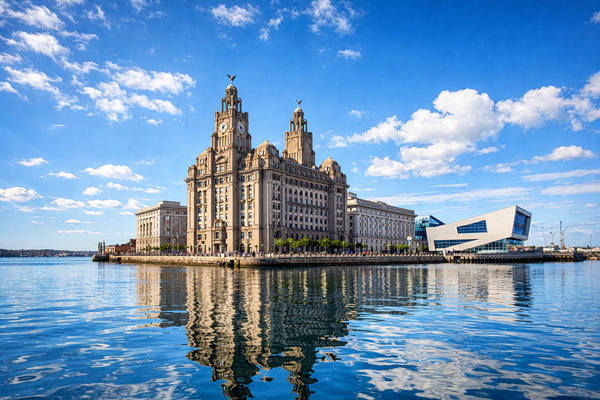
The city centre is compact. Albert Dock to Lime Street station is a fifteen-minute walk. Lime Street to Hope Street is twelve minutes. Bold Street to the Baltic Triangle is five. Most of the central areas people want to visit are within a twenty-minute walking radius of each other, and the terrain is flat enough that those walks are not demanding.
Where this breaks down is when people try to reach the south Liverpool neighbourhoods — Sefton Park, Lark Lane, Toxteth — on foot from the centre. Those distances are real. Aigburth Road is forty minutes from the Albert Dock, which is fine if you know that and plan accordingly, but a surprise if you assumed the whole city was as compact as the waterfront.
Merseyrail
The Merseyrail network is the most useful public transport option for visitors. It runs frequently, the stations are central, and the fares are reasonable. The two lines that matter most:
- Northern Line southbound from Liverpool Central to St Michaels (Sefton Park) and Aigburth. This is the route for south Liverpool.
- City Line connects Lime Street and Central with the wider network if you are heading to Birkenhead or the Wirral.
Liverpool Central is the most useful hub. It is underground, directly in the centre, and connects both main lines. Most things south are reachable in under fifteen minutes from Central.
Buses
Buses work but require more local knowledge than Merseyrail. The routes along the main corridors — Smithdown Road, Aigburth Road, the main roads out to Croxteth and Norris Green — are frequent and reliable. The ones threading through side streets are less so.
If you are staying in the city centre and want to reach Smithdown Road or Lark Lane without taking the train, the 86 and 80 series routes cover that corridor well. Stagecoach and Arriva both operate in the city; the Merseytravel app gives live departure information and is worth having on your phone.
Taxis and rideshare
Merseyside black cabs are plentiful and metered. Uber operates in Liverpool. For most short journeys across the city, a taxi from the centre to Lark Lane or the Baltic Triangle will cost between five and ten pounds. Late-night journeys from the main entertainment areas can take longer to book during peak hours — worth walking to a quieter street before requesting a ride.
Cycling
Liverpool has a growing cycling infrastructure and the city centre is flat enough that cycling is practical. The Beryl bike share scheme operates in the city with docking stations near most central areas. The route along the waterfront is the most reliable flat cycle — traffic-free in sections and gives you the river views. Cycling into south Liverpool on roads like Smithdown is fine during off-peak hours; the road is wide but the traffic during rush hour is heavy.
The simplest version
Stay in the city centre for the first day and walk everywhere. For day two, use Merseyrail once — south to St Michaels for Sefton Park and Lark Lane, or directly to the Baltic Triangle on foot from the centre. You do not need more than that to cover the parts of Liverpool that repay the effort.
Enjoying this? Get new guides, local news and what's on — straight to your inbox.
Subscribe free →