Liverpool in Spring: A Practical Local Guide
Liverpool in spring: longer evenings, unreliable weather, and a city that starts to show off. Where to go and how to plan without overdoing it.
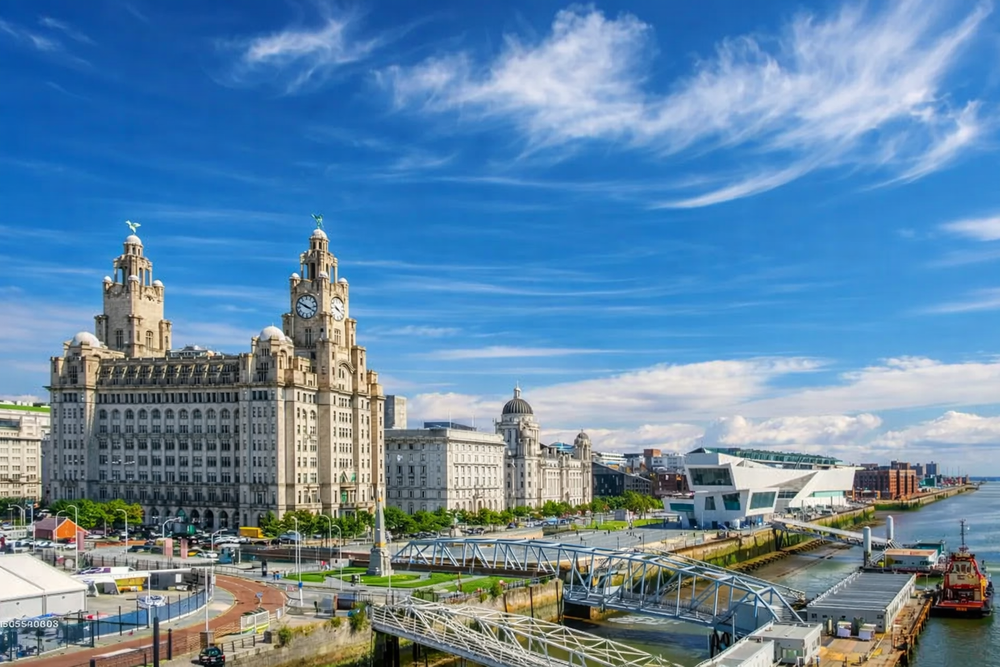
Liverpool is good in spring when you stop trying to make it behave like summer.
You are usually dealing with brighter light, longer evenings, and weather that still cannot quite be trusted. That means the best days are not the ones with the most packed-in plans. They are the ones built around one part of the city that already works on foot, with enough nearby cover that a change in the weather does not ruin the whole thing.
First, choose the right part of the city
If you want a central walk with museums, open views, and an easy route, go to the waterfront.
If you want a greener afternoon that feels more local and less exposed, do Sefton Park and then Lark Lane.
If you want a city-centre walk that feels older, quieter, and better paced than the shopping core, go to Hope Street and the Georgian Quarter.
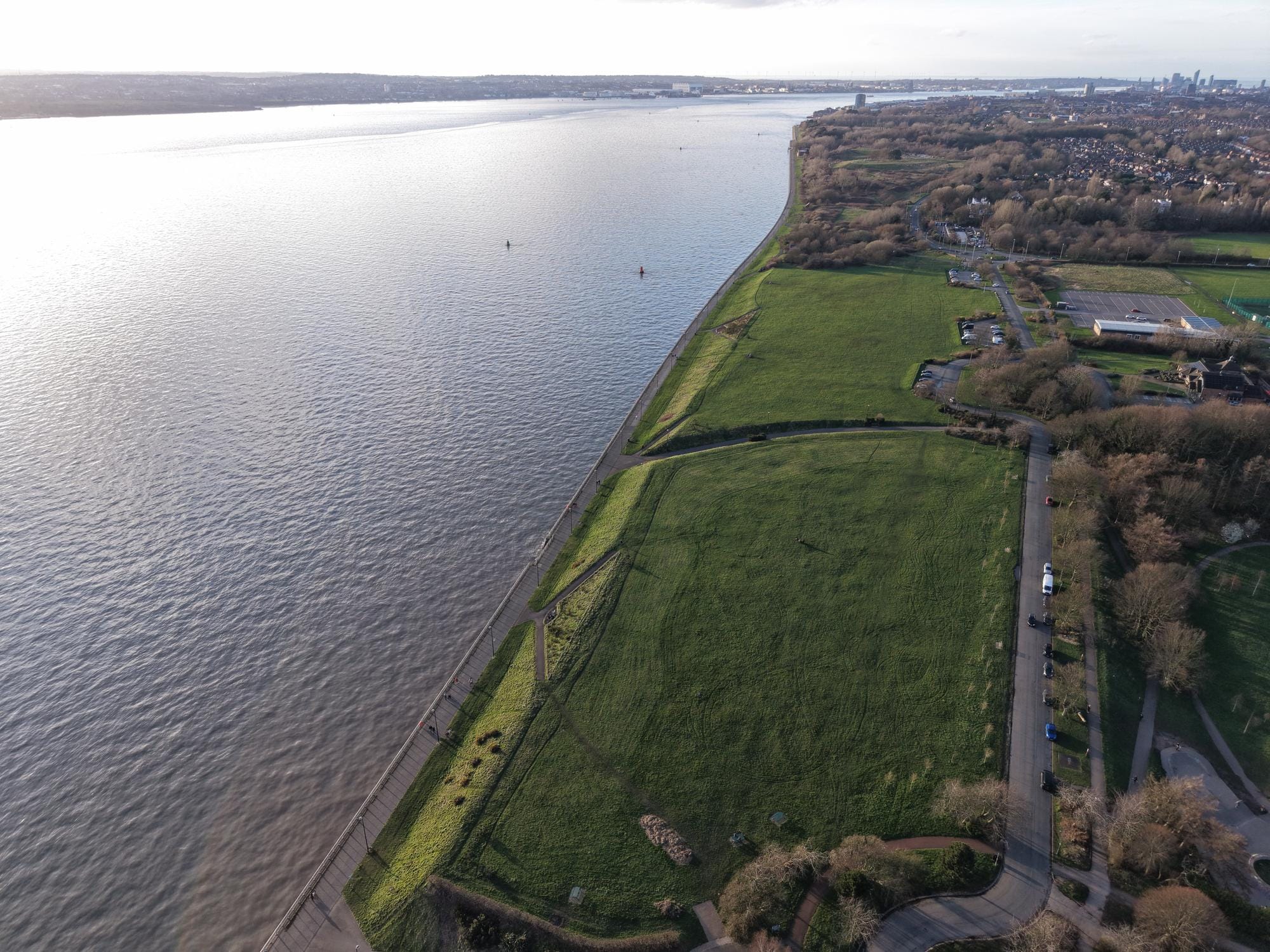
If what you really want is air, river space, and a long uncomplicated walk, go to Otterspool.
Trying to combine all of them is where people get the city wrong.
The waterfront if you want the easiest spring option
For a low-effort city-centre day, the waterfront is still the safest bet.
Start around Pier Head, then walk across Mann Island and down towards the Albert Dock. The route makes sense because it stays open, gives you proper views of the river, and never asks much from you. On a bright day, you can keep moving and let the front carry the afternoon. If the wind gets up or the rain starts, you have the Museum of Liverpool and other indoor stops close enough that the day still holds together.
This is the right choice for people who want something central, recognisable, and easy to navigate. It also suits mixed groups because nobody has to pretend they are on a serious walking route when they are not.
The only adjustment worth making is where you stop. For coffee or a slower break, it often pays to move slightly away from the most obvious dockside spots. You keep the route, but lose some of the worst crowding.

Sefton Park and Lark Lane if you want the city at its most usable
This is one of the best spring combinations in Liverpool because the day shapes itself naturally.
Start in Sefton Park. Walk properly rather than skimming it. The broad paths, the lake, and the Palm House give the afternoon enough structure without making it feel planned to death. It is one of the few places in the city where spring feels noticeable in a practical way. Trees start to come back, people stay out longer, and the whole place becomes easier to sit with.
Once you have done the park, leave towards Lark Lane.
That order matters. Sefton Park gives the day space. Lark Lane gives it a finish.
Used properly, Lark Lane is not something you need to overengineer. It is good for a late lunch, a coffee, or one drink after the walk. That is usually when it feels best. It suits people meeting friends, couples who want an easy afternoon, and anyone who wants South Liverpool without trying to turn it into a performance of local life.
Hope Street and the Georgian Quarter if you want something calmer
Hope Street is one of the best spring routes for people who like the city to feel settled rather than busy.
The obvious spine is the stretch between the two cathedrals, but the appeal is really in the wider area. You have older buildings, proper gradients, side streets that still feel residential, and enough places to stop without the area feeling overfilled. It is central, but it does not behave like the centre.
That makes it a strong choice for people who want a walk with a bit of character but no real pressure. It suits architecture-minded visitors, quieter afternoons, and anyone who would rather drift between a few solid stops than spend the day in retail traffic.
Hope Street also works better than most central areas when the weather is only half cooperating. If the sun is out, the outside tables come into play quickly. If it turns cool again, going indoors still feels like part of the day rather than a compromise.
Otterspool if you want room more than activity
Otterspool is the right call when you do not want a plan at all, only a decent walk.
The promenade is simple in the best way. It gives you river views, space, and a route that does not need selling. On a dry spring afternoon, that is often enough to justify going. There is no need to dress it up as more than that.
This suits families, runners, dog walkers, and anyone who wants to get outside without dealing with city-centre noise. It is also a good choice if you want the kind of afternoon that clears your head rather than fills it.
Just be honest about what it is. Otterspool is the walk itself. If you want the second half of the day to involve food or a drink, move back towards Aigburth afterwards rather than expecting the promenade to do both jobs.
What is genuinely worth doing
What is worth doing in Liverpool in spring is usually the thing that matches the day you have, not the day you hoped for.
A windy but bright afternoon suits the waterfront if you want movement and indoor backup.
A mild dry day suits Sefton Park if you want to stay out longer without forcing the pace.
A mixed afternoon suits Hope Street if you want something central that still feels relaxed.
A clear day with a bit of space suits Otterspool if all you really want is a proper walk by the river.
That is the useful version of the city at this time of year. Not a giant itinerary. Just choosing the right neighbourhood and letting it do its job.
Practical spring rules for Liverpool
Bring an extra layer, even when it looks fine.
Do not build an afternoon around outdoor seating unless the temperature has actually earned it.
Pick one main area and use it properly.
Keep one indoor backup nearby, but do not overplan the day just because the forecast looks uncertain.
Why Liverpool works in spring
Spring suits Liverpool because the city does not need perfect weather to feel good.
It only needs enough light to get you out, enough structure to make a walk feel easy, and enough flexibility that a bit of wind or rain does not undo the whole thing. Once you approach it like that, the city starts making more sense.
And that is usually when it feels best.
Enjoying this? Get new guides, local news and what's on — straight to your inbox.
Subscribe free →