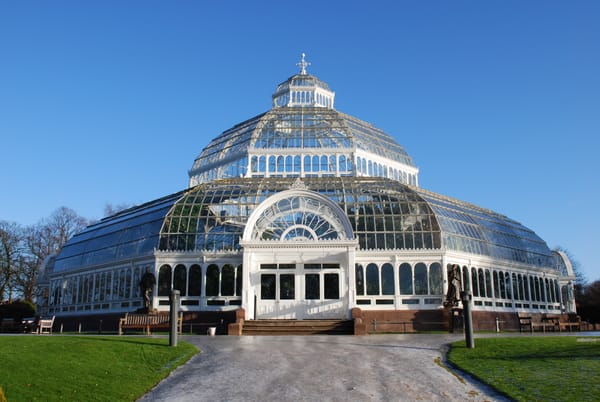
The Warehouse That Would Not Burn: Jesse Hartley and the Albert Dock
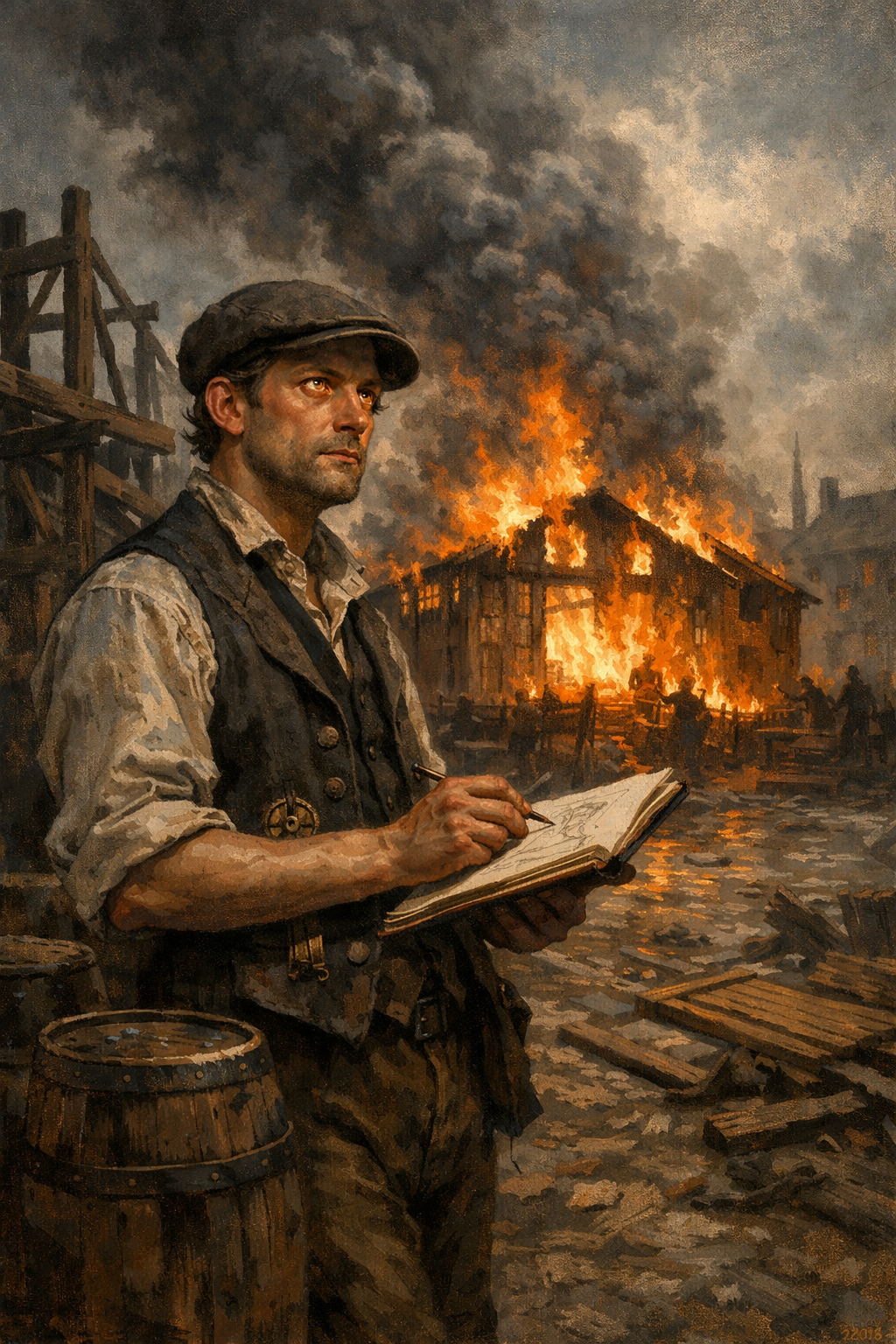
In 1843, dock engineer Jesse Hartley built a small structure on Trentham Street and set it alight. He filled it with timber and tar, watched it burn, and made notes.
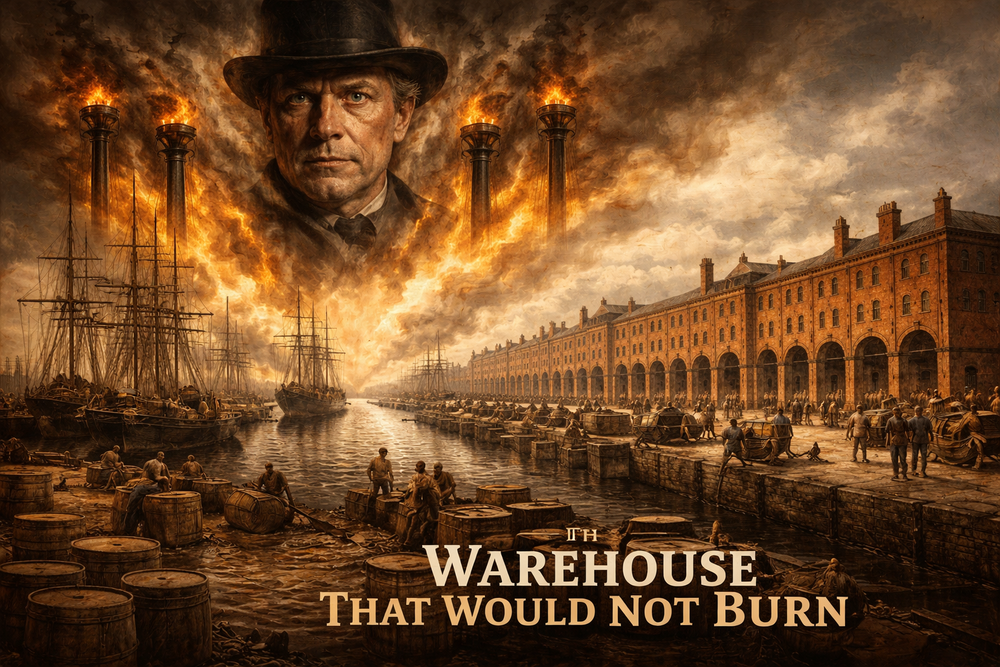
Then he built another and another. He was testing something that would change the face of Liverpool's waterfront forever: a way to store cargo that would not go up in smoke.
Hartley had been appointed Surveyor to the Liverpool Dock Trustees in 1824, despite having no prior experience in dock construction. He was a stonemason's son who had worked on bridges and canals. But the trustees needed someone who could think differently. What they got was a man who would expand the city's docks from 46 to 212 acres during his tenure and who would leave behind the largest collection of Grade I listed buildings in the country.
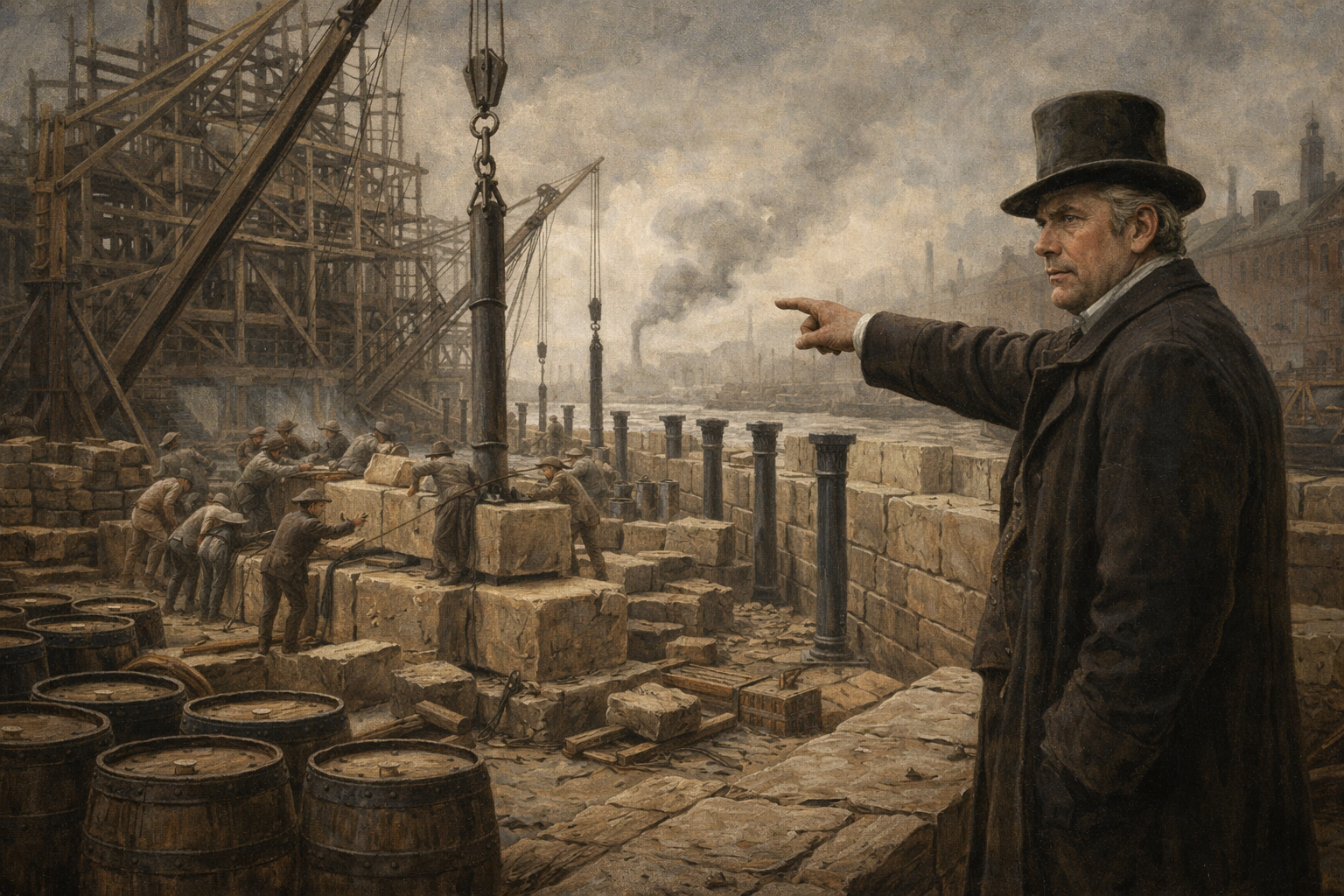
The Albert Dock, which opened in July 1846, was the result of those fire experiments. It was the first non-combustible warehouse system in the world, built entirely of cast iron, brick, sandstone and granite. No timber. Anywhere. The five-storey warehouses that surround the dock basin used more than 23 million bricks and 47,000 tonnes of mortar. The granite had to be quarried in Scotland because local supplies were insufficient. The cast iron columns, four feet in diameter and 25 feet high, were a cost-saving measure after Hartley realised he could not afford the granite he had originally wanted.
The design was pragmatic to the point of severity. David Lewis, writing about the architecture, described the buildings as "strong, masculine buildings, sleeves rolled up and muscles bulging. " The warehouses stripped classical architecture down to its essentials: massive Tuscan columns, heavy round arches, repetitive elements that served a function and nothing more. Hartley had adapted the enclosed dock and warehouse system from London's St Katherine's Dock but improved it with high arches to accommodate cranes and locks that maintained constant water levels, freeing loading and unloading from the tyranny of the tide.
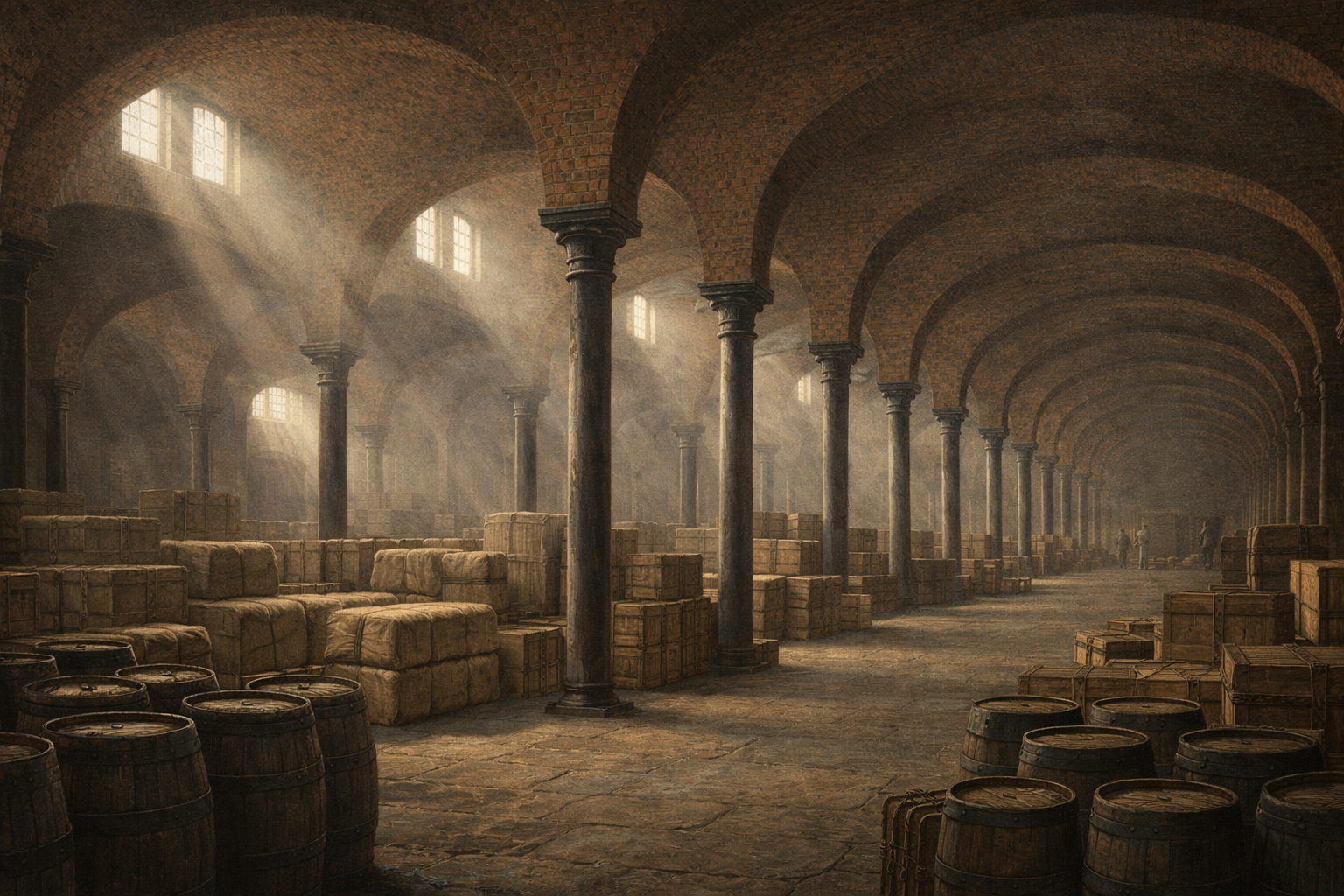
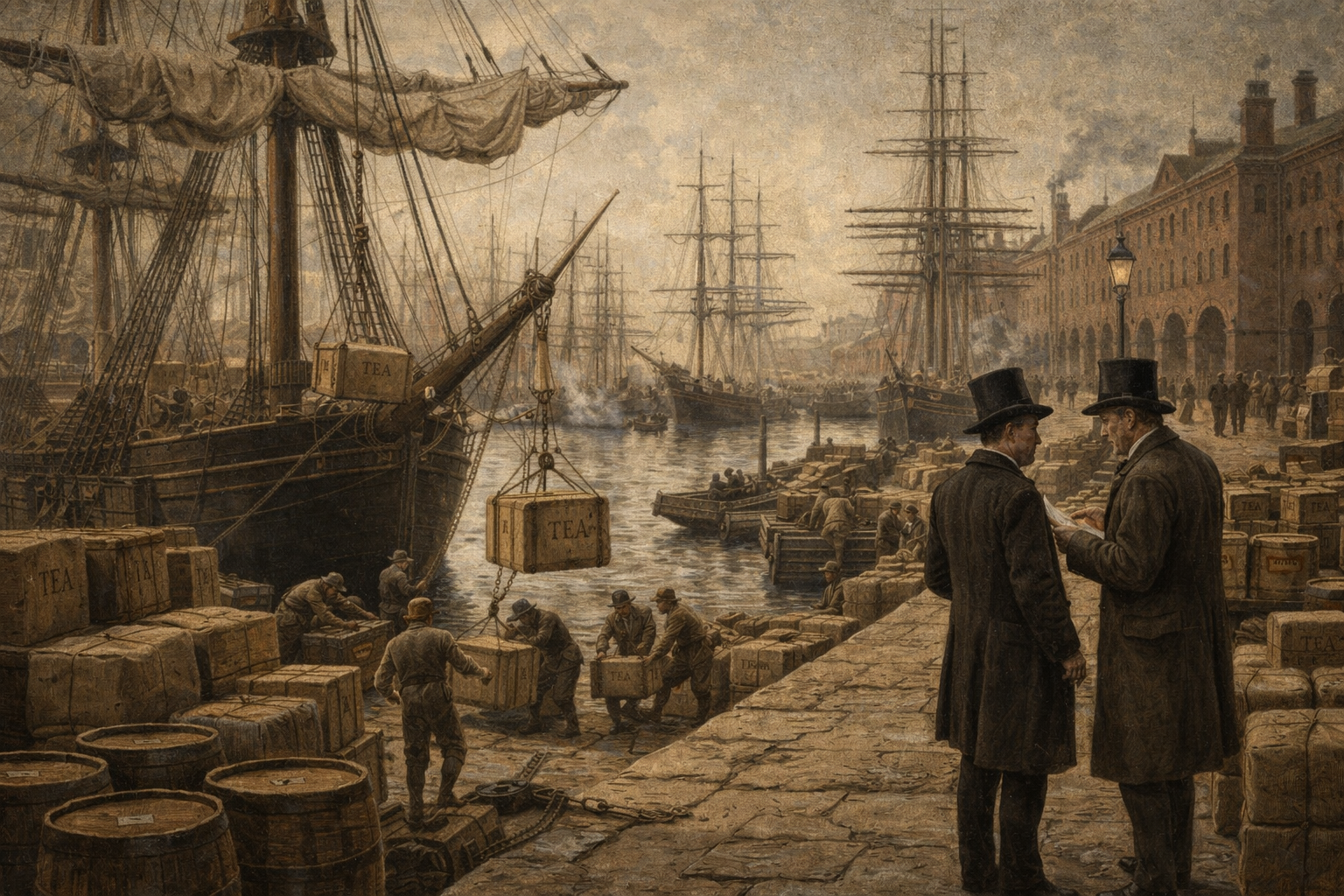
Two years after opening, the dock was fitted with the world's first hydraulic warehouse machinery. Cranes, hoists and lifts, powered by a dedicated pumping station, hauled heavy cargoes across the flagstones. Ships could unload directly into the warehouses, cutting turnaround times in half. Traders could store goods securely and even conduct deals before import taxes fell due.
The cargoes that passed through were valuable enough to justify the expense of fireproofing. Cotton arrived from the Americas and was stored in the upper storeys, where the warehouses could hold 234,950 bales. Tobacco came in hogsheads, tea in chests, silk in bales, and brandy and spirits in casks. Sugar and ivory passed through too. The dock was designed for the rich import trade from India, China and South America, and the wealth that flowed through its warehouses helped fund the grand buildings that went up across the city centre in the decades that followed.
But the same maritime trade that brought cotton and tobacco to Liverpool also carried a darker cargo. By the time the Albert Dock opened, Liverpool had become the largest slave trading port in Britain. Between 1700 and 1807, ships from the city transported approximately 1.5 million enslaved Africans across the Atlantic.
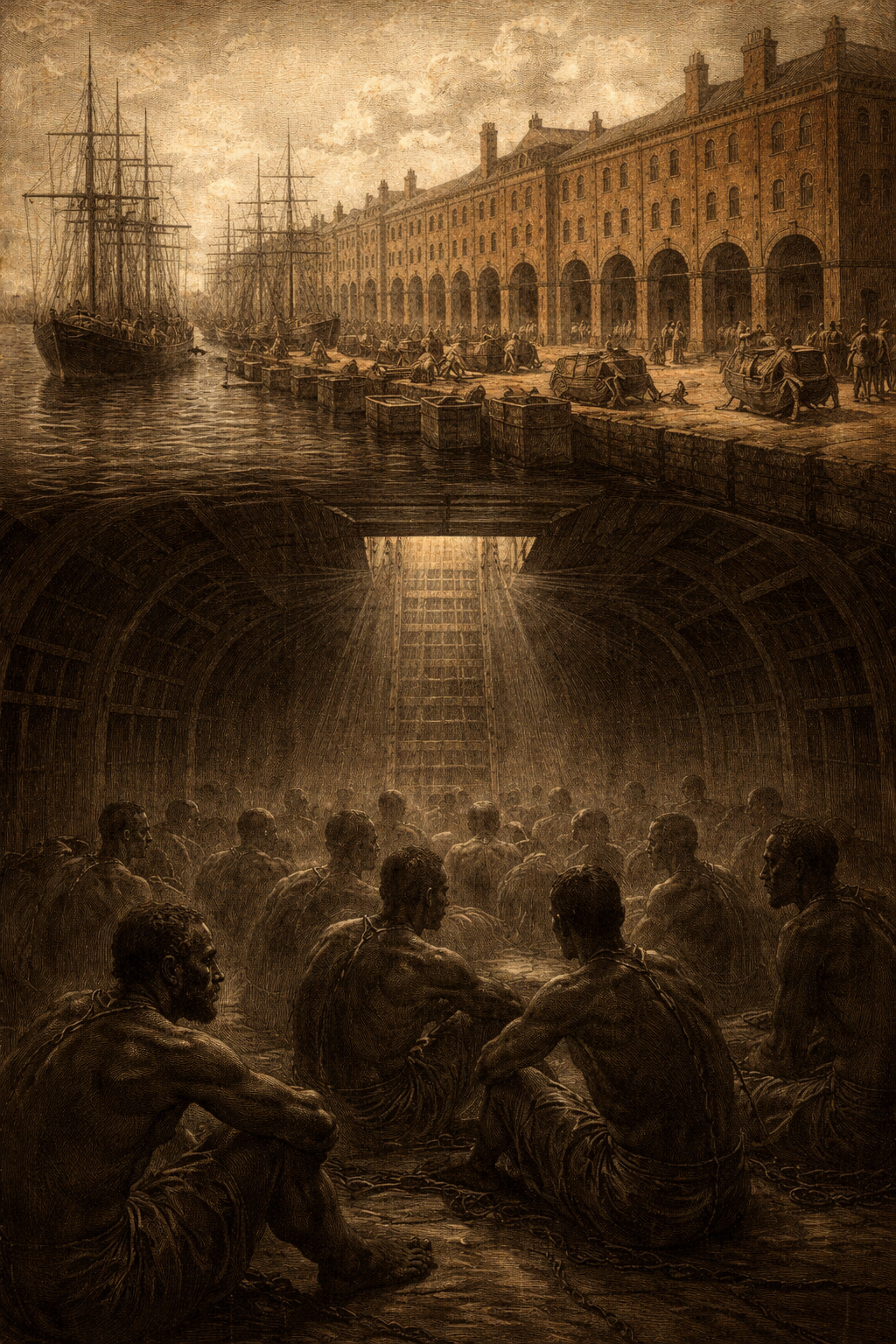
The sugar, tobacco and cotton that filled Hartley's fireproof warehouses were produced by enslaved labour. The wealth that built St George's Hall and the neoclassical splendour of the city centre were extracted from human suffering. The connection is not incidental. It is fundamental to understanding how the money flowed.
The Albert Dock's heyday was shorter than its builders might have expected. Within fifty years, the steamships that replaced sailing vessels were too large to navigate its enclosed basin. The dock remained in use for storage, but the centre of gravity shifted north towards Seaforth and the larger, more open docks that could accommodate container shipping. During the Second World War, the dock saw more activity than at any point in its history, serving as a base for the British Atlantic Fleet. Hundreds of small warships, submarines, landing craft and merchant ships packed the basin. German bombers targeted the complex during the Blitz of 1941, damaging the warehouses that Hartley had designed to resist fire, not high explosives.
By 1972, the Albert Dock was closed to shipping. The Mersey Docks and Harbour Board had considered demolishing it in both 1960 and 1966. For nearly a decade it sat empty, filling with silt, its warehouses decaying. Children played in the abandoned spaces. The complex became, in the words of one account, "a blight on Liverpool's waterfront".
The regeneration began in 1981 with the establishment of the Merseyside Development Corporation. Government money and private investment, primarily from the Arrowcroft Group, funded the renovation. Water returned to the dock in 1984. The Merseyside Maritime Museum opened in 1986 in a warehouse that had once stored tea, silk, sugar and spirits. Tate Liverpool followed in 1988, the same year that Prince Charles came to reopen the fully refurbished dock. The television programme This Morning began broadcasting from a studio overlooking the water in 1988, its floating weather map becoming a fixture of daytime television.
Today the Royal Albert Dock, as it has been known since receiving a royal charter in 2018, attracts more visitors than any multi-use attraction in the UK outside London. The cast iron columns that Hartley specified because he could not afford granite have become one of the most photographed features of the city. The warehouses that were designed to be fireproof now house restaurants, bars, shops and apartments. The hydraulic machinery has been replaced by WiFi and an events programme.
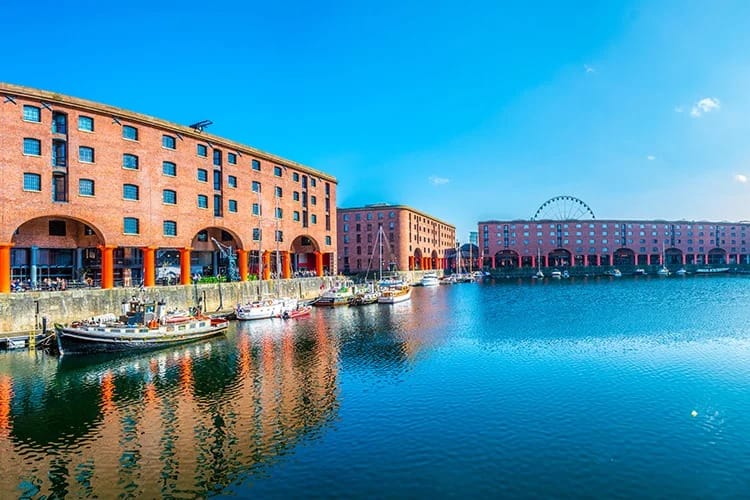
The dock remains what Hartley built: a practical solution to a specific problem, executed with an engineer's disregard for ornament and a stonemason's respect for materials that last. The bricks and cast iron have survived fire, bombing, abandonment and redevelopment. They will outlast the current occupants too. The warehouses were built to store value, and they still do, though the cargoes have changed.