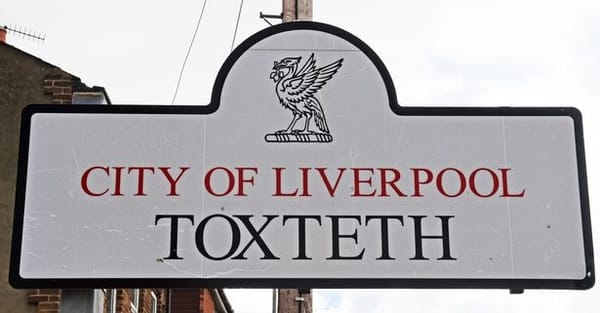
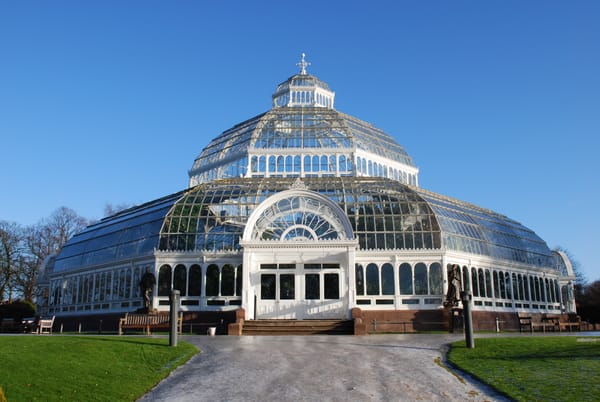
Toxteth, Liverpool: how to understand the area
Toxteth makes more sense when you see it as part of Liverpool pushing south from the city centre, rather than as one neat district with a fixed edge and a single story.
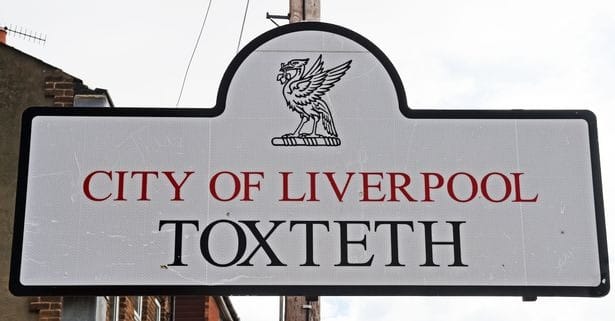
If you want to understand Liverpool properly, you cannot stop at the waterfront.
Toxteth matters because it shows a side of the city that does not fit neatly into postcard versions of Liverpool. It helps explain how the city expanded, how it changed, and why some areas still hold such a strong sense of identity. The wider L8 area remains part of live conversations about heritage, race, housing, regeneration and community, not just old headlines.
For some people, Toxteth is still a name shaped by national coverage from decades ago. For others, it is simply part of Liverpool 8, with all the history, pride, tension and community that comes with that. Either way, the area makes more sense when you look at it through its streets, parks, housing and the people who have shaped it over time.
Start with the place itself
Toxteth sits just south of Liverpool city centre and overlaps with the wider identity of Liverpool 8. It is the kind of area that makes more sense on foot than on a map.
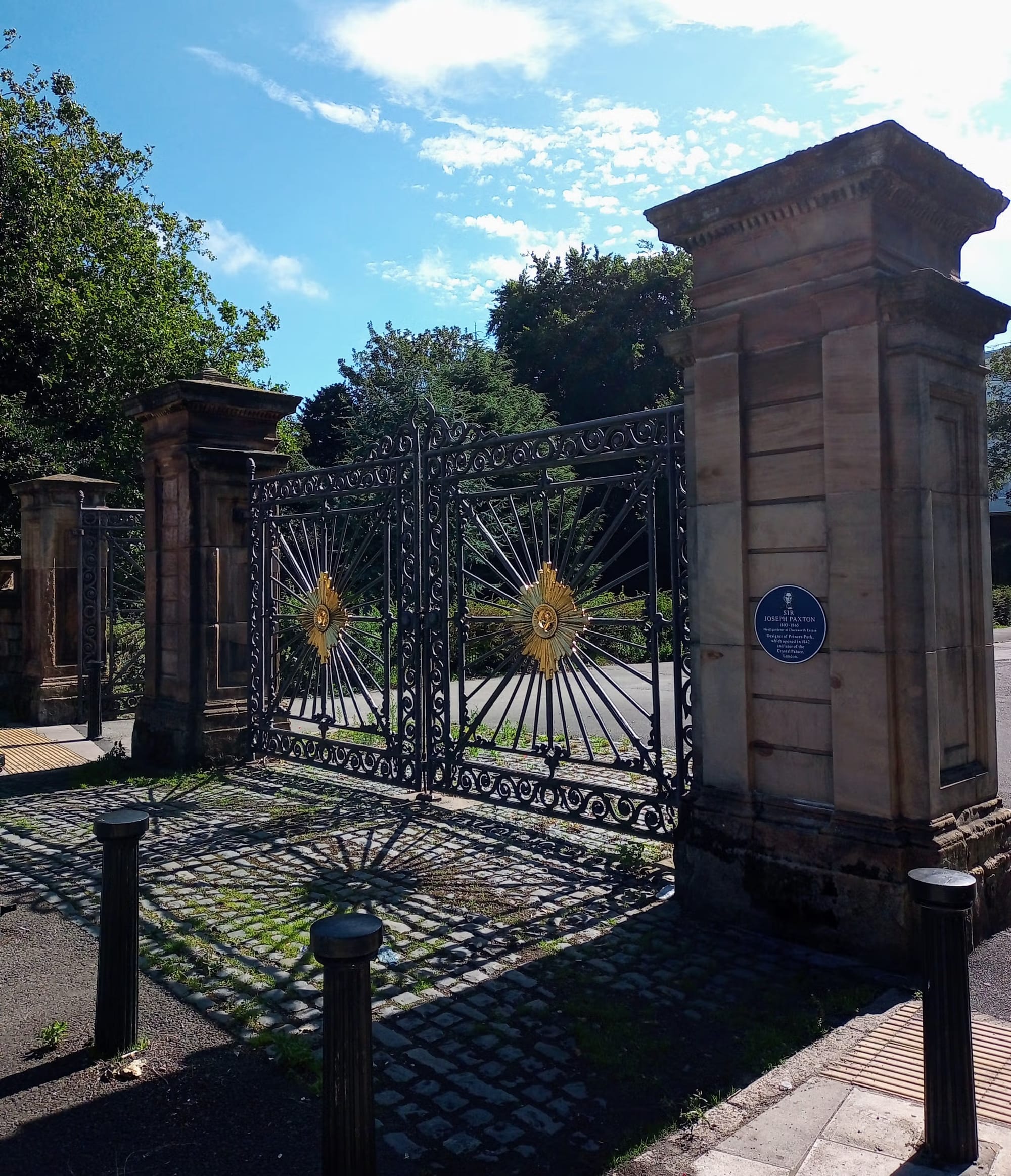
A good place to begin is Princes Park, the Grade II* park designed by Joseph Paxton in 1842. From there, the area opens out into broad avenues, Victorian terraces, older housing, community spaces and streets that can shift in feel from one block to the next.
That mix is part of the point. Toxteth does not read as one neat quarter. It feels layered, lived in and shaped by different periods of Liverpool’s history sitting close together.
Toxteth is older than many people realise
The name goes back much further than industrial Liverpool. Toxteth began as Toxteth Park, and that older identity matters because it places the area inside a longer story than many people expect.
As Liverpool expanded in the nineteenth century, Toxteth changed quickly. Housing spread southwards. Larger villas appeared on some roads, while tighter terraces were built for working households. You can still see that pattern now, especially around Prince’s Road, the avenues off the park, and the denser residential streets further in.
The nearby Welsh Streets show that history clearly. Laid out in the 1870s, they later became a test case for whether ordinary historic streets should be cleared or reused. Recent regeneration retained and converted hundreds of homes rather than clearing everything away. That matters because much of Toxteth’s character comes from the survival of everyday streets, not just landmark buildings.
Toxteth Cultural History
Toxteth has long been central to Liverpool’s Black history. That is not a side point. It is part of the area’s identity.
Liverpool is home to the oldest Black community in Europe, and Toxteth has been one of the main places where that history has been lived, built and passed on. That includes family history, music, activism, church life and everyday community memory, as reflected in the Liverpool Black Community Trail.
One of the best current resources on this is Toxteth: The Harlem of Europe at the Victoria Gallery & Museum. Running until August 2026, it focuses on Black musicians from Toxteth in the 1950s and 1960s. It is useful because it pushes back against the habit of seeing the area only through decline or unrest.
1981 still shapes how people talk about the area
Any serious piece on Toxteth has to deal with 1981. The unrest that year remains the event many people outside Liverpool know best, and it shaped how the area was discussed nationally for years afterwards.
But weaker writing gets stuck there. It treats Toxteth as though its meaning begins with the riots and ends with the fallout. That is too narrow, and it gives too much weight to stigma.
A better way to understand Toxteth is to place 1981 inside a longer story about inequality, policing, racism, unemployment and the way the area was represented afterwards. It matters, but it should not be allowed to stand in for everything else.
Granby helps explain the longer story
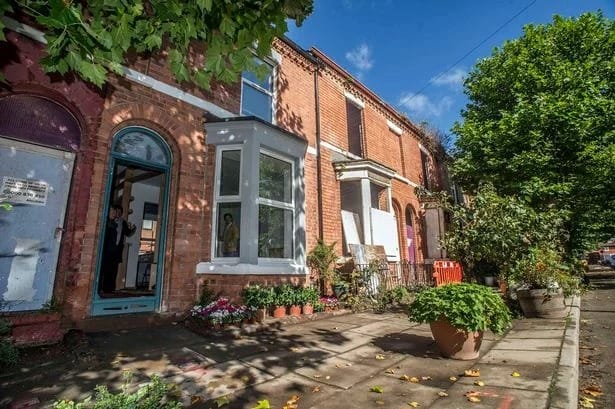
One of the clearest ways to see that is through Granby and the Granby Four Streets Community Land Trust.
Granby became shorthand for neglect and stalled redevelopment, but that is only part of the story. Residents kept organising, kept improving the streets, and kept pushing for something better than drift, clearance or managed decline.
That is what makes Granby useful here. Not just that it became well known, but that it shows a form of regeneration grounded in existing streets and local people. The CLT also runs the monthly Granby Street Market on the first Saturday of every month except January and the Granby Winter Garden, both of which help show the area as a lived place rather than a case study.
Toxteth now is still a live, uneven place
It is easy to write about areas like Toxteth in a simple sequence: decline, regeneration, recovery. Real places are messier than that.
There are signs of continued investment in community infrastructure, including the Tiber Community Hub project, which received funding to turn a former school site into a new youth-led community space. That matters because it is concrete. Not just language about potential, but an actual local asset being built for local use.
That does not make Toxteth a neat success story. It means the area is still being shaped in real time, through memory, pressure, community work and uneven change.
How to get a feel for Toxteth
The most useful way to approach Toxteth is not as a checklist stop. It works better as a walk, a slower afternoon, or part of a wider south Liverpool route.
Start with Princes Park. It gives you a proper sense of the area’s scale and how much of its development sits around green space.
From there, head towards Granby. If your timing lines up, the Granby Street Market is one of the clearest ways to see the area as a working community space rather than a subject for heritage writing.
If you want more cultural context, the Toxteth: The Harlem of Europe exhibition adds useful depth to the area’s Black cultural history.
For a wider south Liverpool day, it also makes sense to fold in Lark Lane and Sefton Park afterwards. That gives you a broader sense of how this side of the city fits together, from formal parkland and residential streets to a busier independent strip nearby.
Why Toxteth still matters
Toxteth matters because it brings together parts of Liverpool that are often written about separately.
You can see the city’s older roots, Victorian expansion, Black cultural history, political tension, civic failure, community action and present-day change meeting in the same area. That is what makes it important. Not because it is tidy, but because it is not.
If you only know Liverpool through its best-known landmarks, you only know part of the city. Toxteth gives you a fuller version and a more honest one.
Enjoying this? Get new guides, local news and what's on — straight to your inbox.
Subscribe free →