Croxteth: Country Park, Hall, and East Liverpool
Croxteth Country Park and Hall sit on 500 acres in the east of Liverpool. What to do there, how to get there, and what the surrounding area is like to live in.
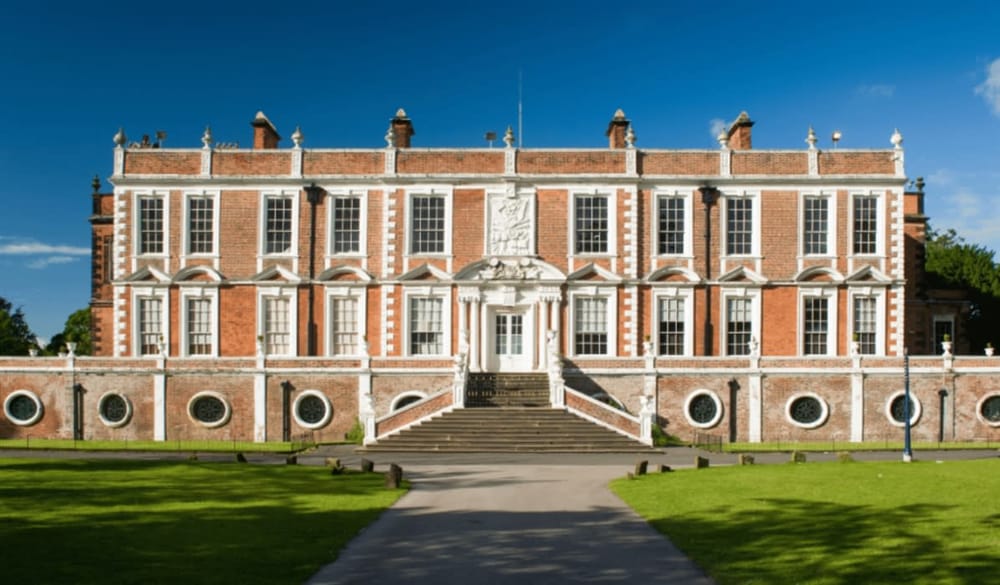
Croxteth is best known for its country park and hall, which sit on around 500 acres in the east of the city. It is worth knowing about if you want outdoor space beyond the formal parks closer to the centre, or if you are thinking about living in that part of Liverpool. This guide covers what is there and how to make it work.
Croxteth Hall and Country Park
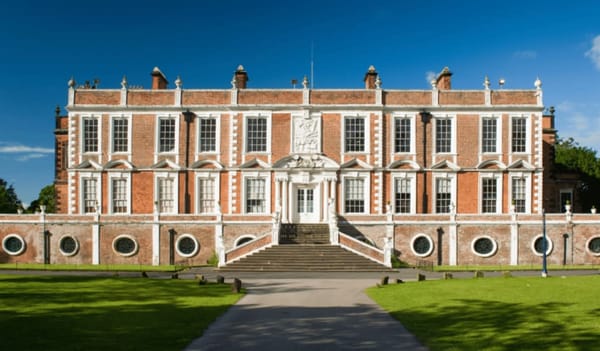
Croxteth Hall is a Grade I listed country house managed by Liverpool City Council. The hall itself has paid entry, but the surrounding grounds and country park are free. The park is large enough that even on busy days it does not feel crowded. There are formal gardens, woodland walks, a walled kitchen garden, and a working farm with animals.
The farm is particularly good if you have children. It operates seasonally so it is worth checking what is open before you travel. The hall has a tearoom that works well as a stopping point after a walk around the grounds.
A full circuit of the park is around four kilometres. You can do shorter loops without covering the whole site, and the paths are well signed. The grounds are maintained to a good standard and the walled garden in particular is worth time on its own.
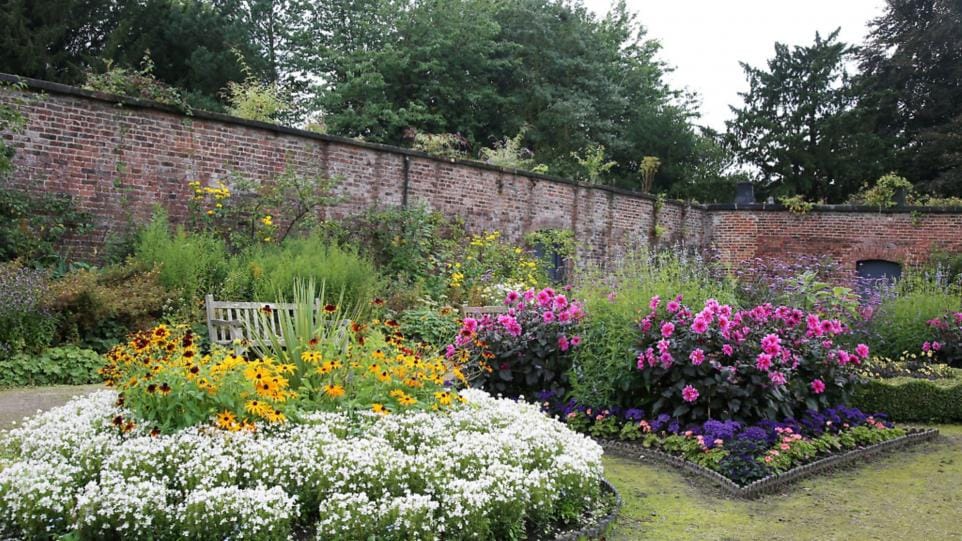
The walled garden
The Victorian walled garden at Croxteth has been restored over the past decade and is now a working kitchen garden. The layout, raised beds, and glasshouses give you a clear sense of what a large estate garden would have looked like in operation. It is one of the more unusual things to see in Liverpool and entry is included in the park access.
Getting there from the city centre
Croxteth is in the northeast of the city, about five miles from the city centre. There is no direct Merseyrail connection. The most practical option is the Merseytravel 14 bus from the city centre, which stops near the park entrance. The journey takes around 40 minutes depending on traffic.
If you are driving, there is a car park at the hall. The journey time by bus means this is better planned as a half-day visit rather than a quick stop. Factor that in before you go, especially if you want time to cover the full grounds.
The surrounding neighbourhood
Croxteth as a residential area is mostly 1960s and 1970s housing. It is a quiet part of the city with reasonable local amenities, a neighbourhood centre, and the usual mix of local shops and supermarkets. It does not have a strong food or cafe scene in the way that Wavertree or Aigburth does, but it is practical and well connected enough for everyday life.
West Derby, which sits adjacent to Croxteth, has more local character. The village centre has a handful of independent shops and pubs and is worth a detour if you are already in the area.
Living in East Liverpool
Croxteth and the broader East Liverpool area offer more space per pound than south or central Liverpool. Rental prices are lower and the housing stock runs to larger semi-detached and terraced properties. The trade-off is transport: bus routes are the main option and the journey to the city centre takes longer than from areas with direct Merseyrail access.
For families, the proximity to Croxteth Country Park is a practical advantage year-round. For people who commute regularly, the transport time is worth calculating honestly before committing. See the getting around Liverpool guide for a full breakdown of transport options across the city, and the Liverpool areas guide for how different neighbourhoods compare.
Enjoying this? Get new guides, local news and what's on — straight to your inbox.
Subscribe free →