Hope Street and the Georgian Quarter: A Practical Local Guide
Hope Street works best when you treat it as a full Liverpool route, not a quick stop between landmarks. Here is how to use the street, the Georgian Quarter around it, and the places that make the walk hold together.
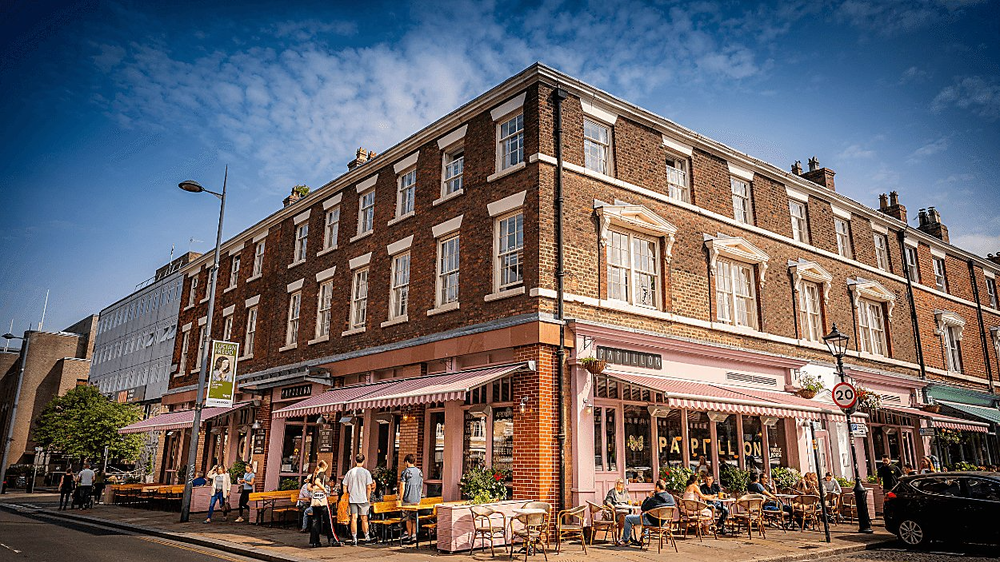
Hope Street is one of the easiest parts of Liverpool to get wrong.
People often treat it as a quick walk between the two cathedrals, or as a polite add-on after the city centre. That misses the point. Hope Street works best when you let it be the plan. The street itself is only part of it. The real value is the wider Georgian Quarter around it, where the route starts to slow down and Liverpool feels less like a checklist and more like a city you can read on foot.
If you want one central Liverpool walk that holds together without much effort, this is one of the safest options.
Start with the route, not the landmarks
The useful version of Hope Street starts by accepting the shape of the area.
You are dealing with an uphill pull from the Lime Street side towards the Metropolitan Cathedral, then a gentler run down Hope Street itself towards the Everyman, the Philharmonic Hall, and the longer approach to Liverpool Cathedral. That makes the area easier to use than some first-time visitors expect. Once you are on the street, the rest of the day mostly becomes a question of pace.
This is why Hope Street suits people who want a walk with built-in options. You can keep it architectural, stop for coffee, fold in a museum, or turn it into an evening route without constantly doubling back.
The top end is better than people think
If you arrive from Lime Street, the instinct is often to stay low and central. In practice, the top end of the route gives you a clearer start.

The upper end of the route works better as a starting point than many first-time visitors expect.
The Victoria Gallery & Museum on Ashton Street is a useful extra if you want to give the walk a proper opening rather than heading straight downhill. It sits just off the route, close enough to fold in without breaking the day. From there, the plateau around the Metropolitan Cathedral gives you one of the cleanest shifts in mood in the city centre. Streets widen out, traffic feels less dominant, and the architectural tone changes quickly.
That matters because Hope Street is not really a shopping street and not really a museum strip. It is a corridor between institutions, older terraces, cultural venues, and side streets that reward a slower look.
Do the middle section slowly
The middle stretch is where the route becomes most useful.

The Everyman and the Philharmonic give the middle section its steady cultural pull.
The Everyman and the Philharmonic are not just venues to note and move past. They help explain why this part of Liverpool works so well for an unforced afternoon or early evening. Even when you are not seeing a show, they give the street a sense of purpose. You are walking through a part of the city that is built around performance, study, worship, and older civic life rather than retail churn.
This is also the section where a Liverpool day often starts to settle. If the waterfront can feel open and exposed, Hope Street feels contained. If Bold Street can feel busy and decision-heavy, this area asks less of you. You can keep walking, pick a stop when it suits, and let the day stay loose.
The Georgian Quarter is the real reason to stay
The strongest version of this guide is not just Hope Street itself. It is the web of streets around it.

The side streets are what stop the route feeling like a straight line between landmarks.
Rodney Street, Canning Street, Gambier Terrace, and the connecting Georgian streets are what stop the route feeling like a straight line between two cathedral photos. This is where the area becomes more residential in feel, more architectural, and more clearly separate from the louder commercial parts of the centre.
You do not need to cover every side street. In fact, that would make the walk feel too worthy. The better move is to drift off Hope Street once or twice, read the scale of the terraces, then come back to the main line. That gives you the area properly without turning the whole thing into a heritage assignment.
This route works best in a few specific situations
Hope Street and the Georgian Quarter are especially good for:
- a first return visit after you have already done the waterfront
- a slower central afternoon that still feels distinctly Liverpool
- meeting someone when you want the area to do some of the work
- a culture-led day that does not need rigid booking beyond one anchor event
It is less useful if you want quick shopping, heavy nightlife, or a packed family day with lots of indoor switching. In those cases, City Centre usually makes more sense. If you want greener space and a looser neighbourhood rhythm, Aigburth is often the better answer.
Keep the plan tight
The easiest mistake here is overextending the route.
Hope Street works well because it is contained. Once you start trying to add the waterfront, Liverpool ONE, and the cathedrals all in one big central march, the area loses its advantage. A better plan is to choose one clear anchor and let the rest of the route support it.
That might mean:
- starting at the Metropolitan Cathedral, then walking down through Hope Street properly
- building the day around a Philharmonic or Everyman booking and arriving early enough to use the street first
- using the Georgian Quarter as your quieter alternative to the busiest city-centre streets
If the weather is mixed, this route still holds up well because there are enough indoor stops and short detours to keep it workable without a full reset.
The simplest way to use Hope Street well
If you only need the practical version, do it like this: start near the Metropolitan Cathedral, walk the length of Hope Street without rushing, step off once into the Georgian Quarter, and finish at Liverpool Cathedral or around the lower end depending on your energy.
That is enough for a solid Liverpool afternoon.
You do not need to make the area perform more than it should. The point of Hope Street is that it already has shape, weight, and a steady sense of place. Use it as one complete route and it tends to reward you.
Best next clicks
- read Liverpool Architecture: A Local Guide if you want the wider built-environment version
- read Best Liverpool Areas for a First Visit if you are still deciding which part of the city fits best
- read Where to Go in Liverpool for a Late Afternoon Walk and Drink if you want a similar pace with more food-and-drink logic
- browse City Centre if you want the wider area context around Hope Street
Enjoying this? Get new guides, local news and what's on — straight to your inbox.
Subscribe free →