Guide
Liverpool Waterfront Walk: Pier Head to the Marina
Walk Liverpool's waterfront from Pier Head through Royal Albert Dock and Kings Dock to the marina, with museum and Tate closures, access and transport covered.
Liverpool's waterfront is the easiest part of the city to see on foot. Start at Pier Head, pass the Museum of Liverpool and Royal Albert Dock, carry on past Kings Dock, and finish at Liverpool Marina on Coburg Wharf.
Allow 40 to 50 minutes of walking if you keep moving, or 90 minutes or more if you want to look around the docks and stop at the museum. The route is flat. It is not one signed trail, though, and dock bridges, events and building work can change where the walkable line runs.
Closures and station access were checked on 4 October 2026. Two museums on the walk are closed until 2028, and Tate Liverpool's dockside gallery is closed until 2027.
Start, finish and key facts
- Start: Pier Head, L3 1DP. James Street is the nearest Merseyrail station.
- Finish: Liverpool Marina, Coburg Wharf, L3 4BP.
- Walking time: 40 to 50 minutes moving, 90 minutes or more with stops.
- Maritime Museum and International Slavery Museum: closed for redevelopment, scheduled to reopen in 2028.
- Tate Liverpool: the dockside gallery is closed for redevelopment, due back in 2027. Tate is operating from RIBA North on Mann Island, near the start of the walk.
- Royal Albert Dock: open, with its shops, bars and restaurants trading as normal.
- Getting back: Brunswick station on Sefton Street, or walk the route in reverse.
- Check the arena listings before you go if you want a quiet walk.
The route
| Section | What you pass | Walking time |
|---|---|---|
| Pier Head to Royal Albert Dock | Three Graces, Beatles statue, Museum of Liverpool, Canning Dock | 10 to 15 mins |
| Royal Albert Dock to Kings Dock | Dock warehouses, Salthouse Dock, Wheel of Liverpool | 10 mins |
| Kings Dock to Liverpool Marina | M&S Bank Arena, Exhibition Centre, south docks | 15 to 20 mins |
| Marina to Brunswick station | Coburg Wharf and Sefton Street | Allow extra |
These are estimates. How long it takes depends on which side of the dock basins you walk and whether any barriers are up.
Start at Pier Head
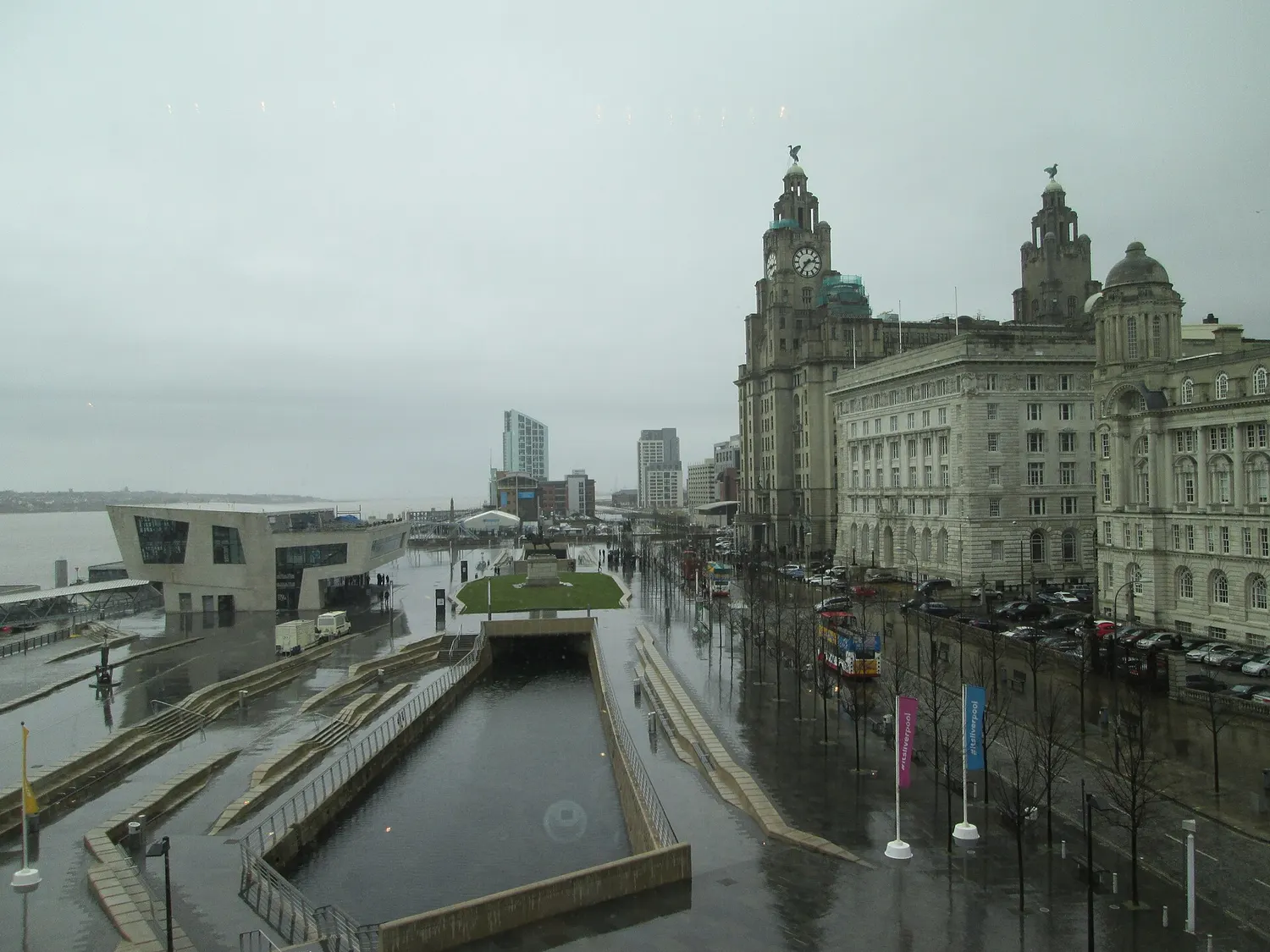
Pier Head is the obvious place to start, because most of what people come to see is in one spot. The Royal Liver Building, Cunard Building and Port of Liverpool Building stand together on the city side, and the Beatles statue and the Gerry Marsden Ferry Terminal face the river.
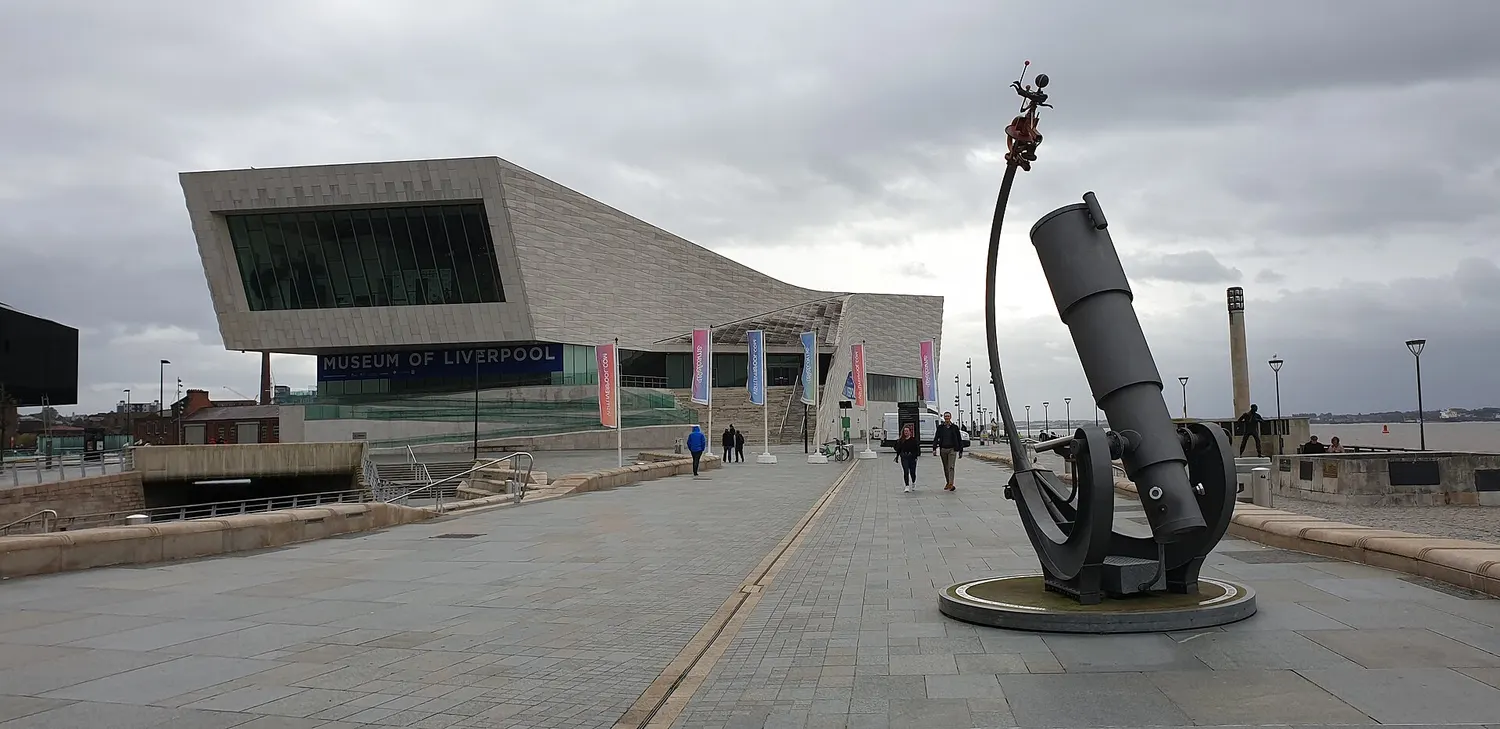
At the southern end is the Museum of Liverpool, which is free. Opening changes between school holidays and term time, and Monday is the day most likely to catch you out, so check the page before you set off.
Coming by train, James Street is the nearest Merseyrail station, with lifts to the platforms. Our Pier Head visitor guide covers this end in more detail.
Adding a ferry
You can bolt a river crossing onto the walk. Mersey Ferries runs a 10-minute crossing between Pier Head and Seacombe on weekday mornings and evenings, with the longer River Explorer cruise running separately during the day. Our Mersey Ferry commuter guide has the times and fares, and the history of the ferry is worth a read while you wait.
Pier Head to Royal Albert Dock
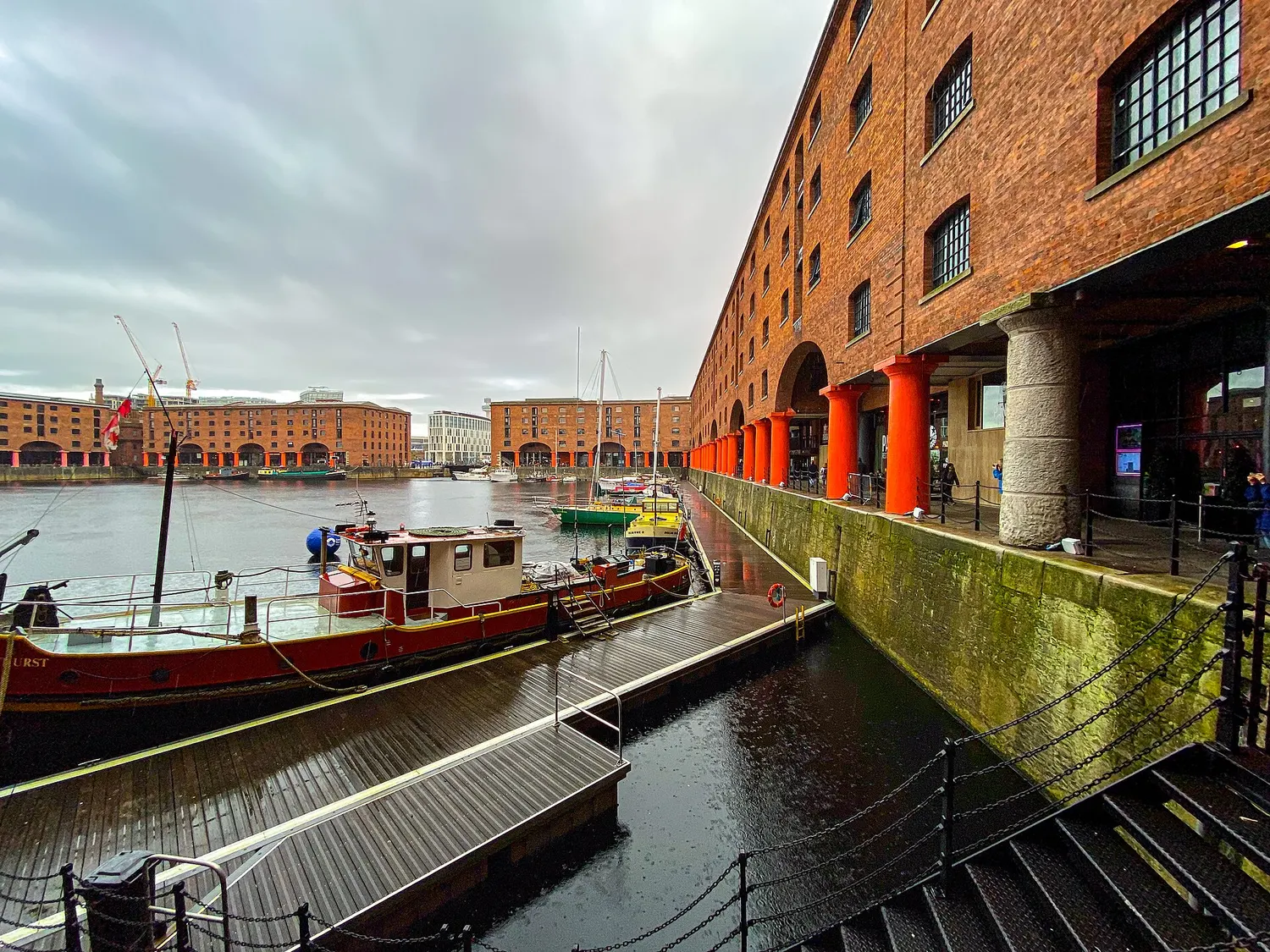
From the Museum of Liverpool, head south past Canning Dock. The exact line varies, because this stretch is caught up in the museum redevelopment. Follow whatever pedestrian route is open rather than trusting an old map.
Walk through Royal Albert Dock rather than along The Strand. The dock opened in 1846, so 2026 is its 180th year, and Prince Albert opened it himself.
Jesse Hartley and Philip Hardwick designed it in brick, cast iron and stone with no structural timber, because warehouses full of cargo burn. Hartley went as far as running fire experiments on trial structures before building. There is more in our piece on how Hartley built the Albert Dock.
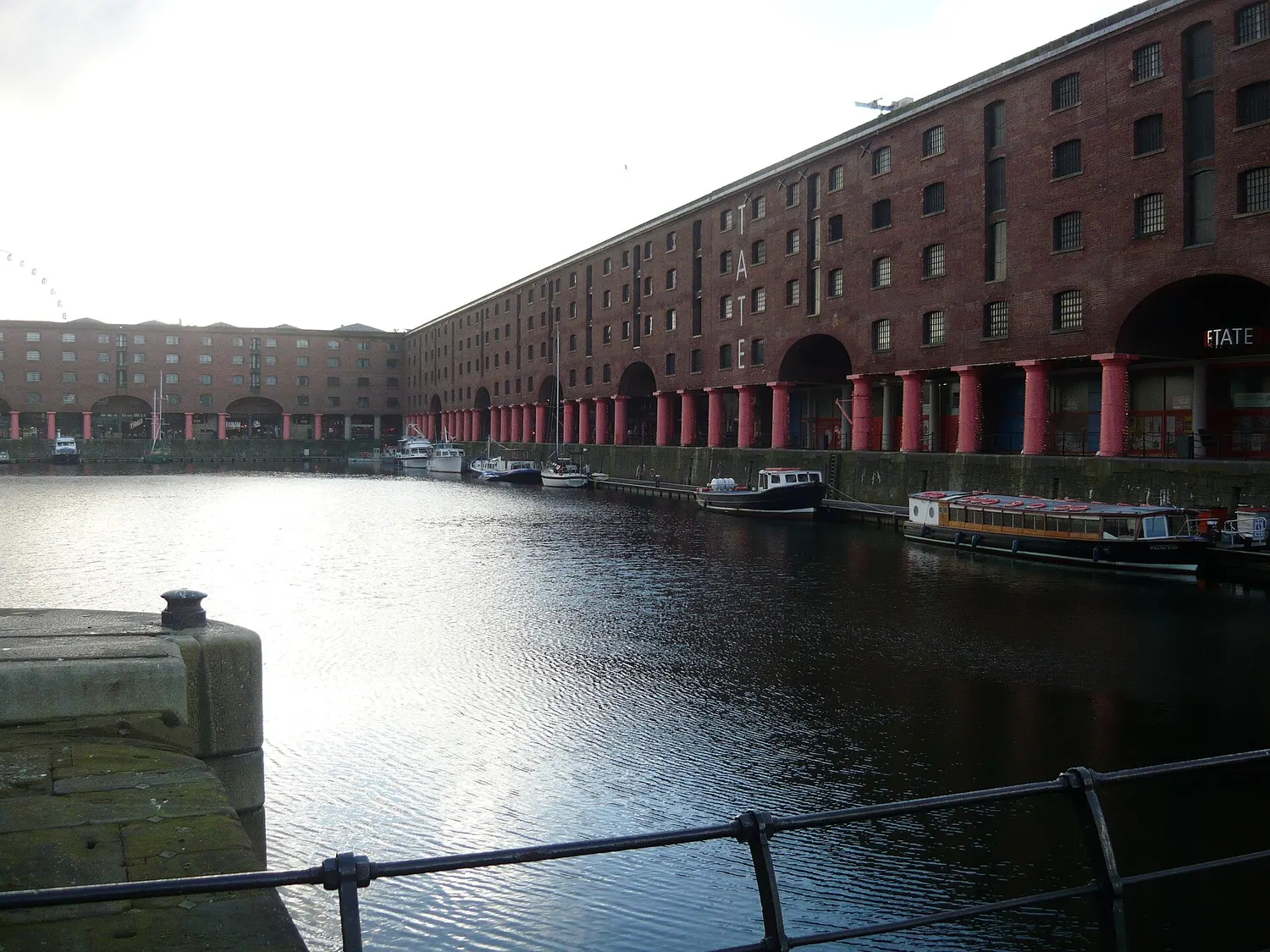
Go under the colonnades as well as round the basin. Standing on the inner quay gives you the scale of the warehouses in a way the view from across the water does not.
Museums and Tate: what is closed
Worth knowing before you plan a day around it.
The Merseyside Maritime Museum and the International Slavery Museum are closed for redevelopment and are scheduled to reopen in 2028. This is not a repair job. It is a £58 million redevelopment by Feilden Clegg Bradley Studios, with exhibition design by Ralph Appelbaum Associates and £9.9 million from the National Lottery Heritage Fund.
The old Dock Traffic Office becomes a new entrance pavilion for the slavery museum, linked by an iron and glass bridge to galleries in the Hartley Pavilion.
Tate Liverpool's dockside gallery is also closed. The building is being redeveloped and is due back in 2027. Tate has moved its programme to temporary galleries at RIBA North on Mann Island, a few minutes from Pier Head.
Royal Albert Dock itself has not closed. The shops, bars and restaurants around the basin trade as normal.
Past Kings Dock
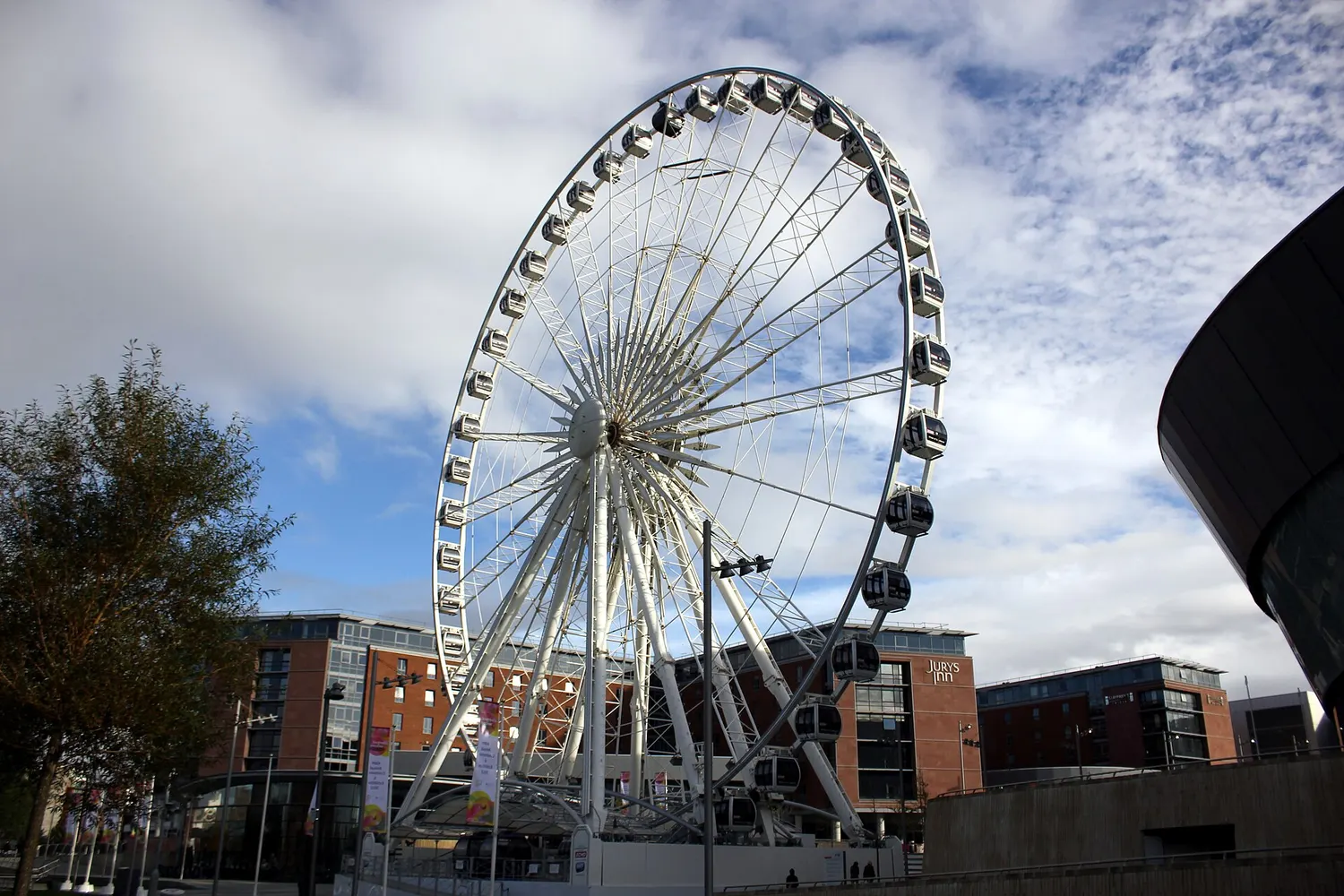
Leave the Albert Dock at its southern end and keep going past the Wheel of Liverpool towards Kings Dock, where the M&S Bank Arena, Convention Centre and Exhibition Centre sit together.
The path is simple here. What changes it is whatever is on. A big concert or a conference means crowded pavements, taxi queues and traffic all round Kings Dock, so if you want a quiet walk, check the arena listings first.
Keep south along the dock basins rather than turning inland towards Liverpool ONE.
Finish at Liverpool Marina
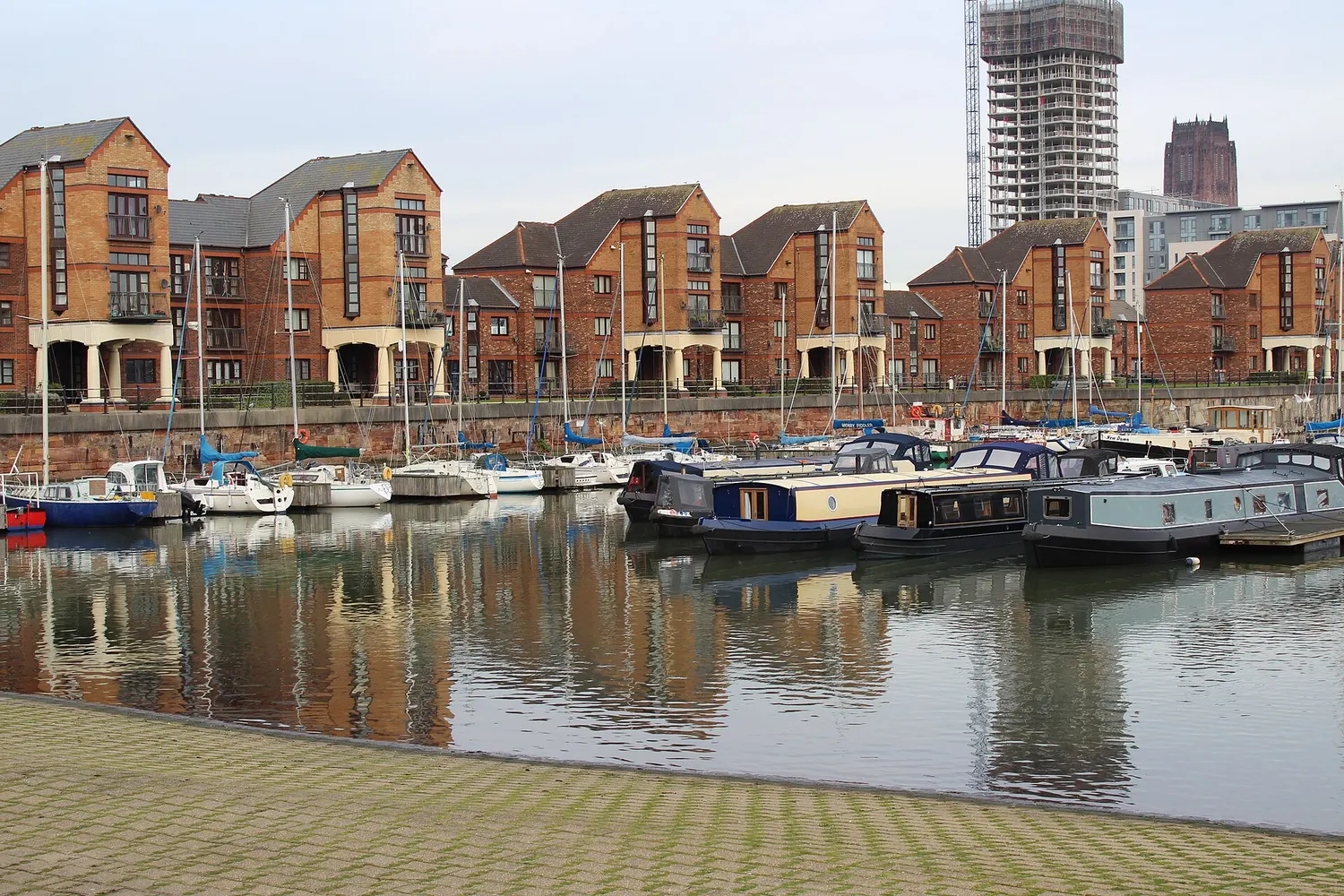
South of Kings Dock the character changes. Fewer attractions, more working dockland and flats, and a lot less foot traffic.
Liverpool Marina is at Coburg Wharf, L3 4BP, and it makes a natural end. You can stop there and head inland instead of walking the whole thing back.
Getting back
Head inland to Brunswick station on Sefton Street, L8 6XP, on Merseyrail's Northern Line. Trains run north to Liverpool Central and on through the city.
Merseyrail rates Brunswick Category A for step-free access: the Liverpool-bound platform is reached at street level and the Hunts Cross-bound side by ramp. There are toilets, including an accessible one.
Check live times before you set off, especially in the evening or during engineering work. Our guide to getting around Liverpool without a car covers the wider network.
Walking back is the other option, and the skyline coming north towards the Albert Dock and Pier Head is better than the view going out.
Surfaces, access and toilets
Flat does not mean smooth. Royal Albert Dock is historic stone and paving with bridge approaches and open joints, and it gets slippery after rain. Redevelopment around the museums means diversions appear and move.
If you need a route you can rely on being step-free, check the individual venue pages before travelling rather than assuming.
For toilets, use staffed buildings rather than hoping for a public one. The Museum of Liverpool, James Street and Brunswick stations all have them, on their own opening hours.
What the weather does here
The waterfront is more exposed than the streets behind it. A mild day in town feels colder at Pier Head and on the open stretch past Kings Dock, and the wind off the Mersey is the thing to dress for. There are no hills to worry about, but shoes with grip help on wet dock stone.
How far should you go?
On a first visit, Pier Head to Royal Albert Dock and back covers most of what people come for and takes under an hour.
Carry on to Kings Dock for a longer walk, or if you are going to the arena anyway.
Go the full distance to Liverpool Marina to see what the waterfront looks like once you leave the visitor stretch behind. The advantage is that you do not have to walk back: Brunswick station takes you into town.
Before you go
- Check Museum of Liverpool opening, which varies by season and day.
- Check the arena listings if you want the quiet version.
- Check ferry sailings if you are adding a crossing.
- Remember the Maritime and Slavery museums are closed until 2028, and Tate's dockside gallery until 2027.
For the buildings you pass, our Liverpool architecture guide and the history of Liverpool both cover this stretch.
Related links and FAQs
Useful links and sources
Common questions
How long does the Liverpool waterfront walk take?
About 40 to 50 minutes of walking from Pier Head to Liverpool Marina if you keep moving. Allow 90 minutes or more to look around the docks, take photographs or stop at the Museum of Liverpool.
Is the Maritime Museum open?
No. The Merseyside Maritime Museum and the International Slavery Museum are closed for a £58 million redevelopment and are scheduled to reopen in 2028. The surrounding Royal Albert Dock, with its shops and restaurants, stays open.
Is Tate Liverpool open?
The Tate's dockside gallery at Royal Albert Dock is closed for redevelopment and is due to reopen in 2027. Tate Liverpool is operating from temporary galleries at RIBA North on Mann Island, a few minutes from Pier Head.
How do I get back from Liverpool Marina?
Walk inland to Brunswick station on Sefton Street, L8 6XP, on Merseyrail's Northern Line, and take a train north to Liverpool Central. Merseyrail rates Brunswick Category A for step-free access. Or walk the waterfront back to Pier Head.
Is the Liverpool waterfront walk accessible?
Mostly level, with no hills. Royal Albert Dock has historic stone and paved surfaces, bridge approaches and paving joints, and wet stone gets slippery. Redevelopment work around the docks means temporary diversions, so check venue access pages before travelling.
Where does the Liverpool waterfront walk start and finish?
Start at Pier Head, L3 1DP, with James Street the nearest Merseyrail station. Finish at Liverpool Marina, Coburg Wharf, L3 4BP.
Comments
Join the conversation with your L1Local Community account. Keep it civil and on topic.