The music highlights
For live music, the strongest run begins with Kíla at the Philharmonic Music Room on Friday 16 October. The Dublin seven-piece are back in Liverpool for the first time in eight years, bringing uilleann pipes, fiddle and bodhrán together with percussion, brass and electric instrumentation.
A week later, Téada mark 25 years on the road at the same venue. Their current tour brings traditional Irish music to a room small enough to feel much more intimate than a large concert hall.
The festival's big community performance is I Am Here at Sefton Park Palm House on Thursday 22 October. More than 50 musicians and dancers are due to take part, including George Ferguson's School of Dance and the Melody Makers.
There are also two free traditional sessions at Peter Kavanagh's, on Friday 16 and Friday 23 October, while The Phogues bring the music of Shane MacGowan and The Pogues to Liverpool Irish Centre on Saturday 24 October.
After the main festival weekend, The Shamrocks play Liverpool Philharmonic Hall on Monday 26 October.
The Life and Times of Paddy Armstrong runs at Unity Theatre on Friday 30 and Saturday 31 October. Don Wycherley stars in the one-man production about Paddy Armstrong, one of the Guildford Four, and the long aftermath of his wrongful conviction.
High Tea at Liverpool Irish Centre on Saturday 17 October is a three-hander written by Victoria Fradgley, centred on two estranged sisters and the family history that pulls them back together.
At Hope Street Theatre on Wednesday 21 October, Obscured View returns with Geraldine Moloney Judge's one-woman show about football, Irish identity and the links between Liverpool and Ireland.
For something more participatory, Movema céilí with The Saltcutters takes over St Bride's Church on Saturday 17 October for an evening of live music and social dancing.
Books, talks and ideas
Liverpool Central Library hosts a full author day on Saturday 17 October. The programme includes Vitor Vicente, Sue Divin, Doug Devaney and PJ McKeown, with individual sessions running across the day.
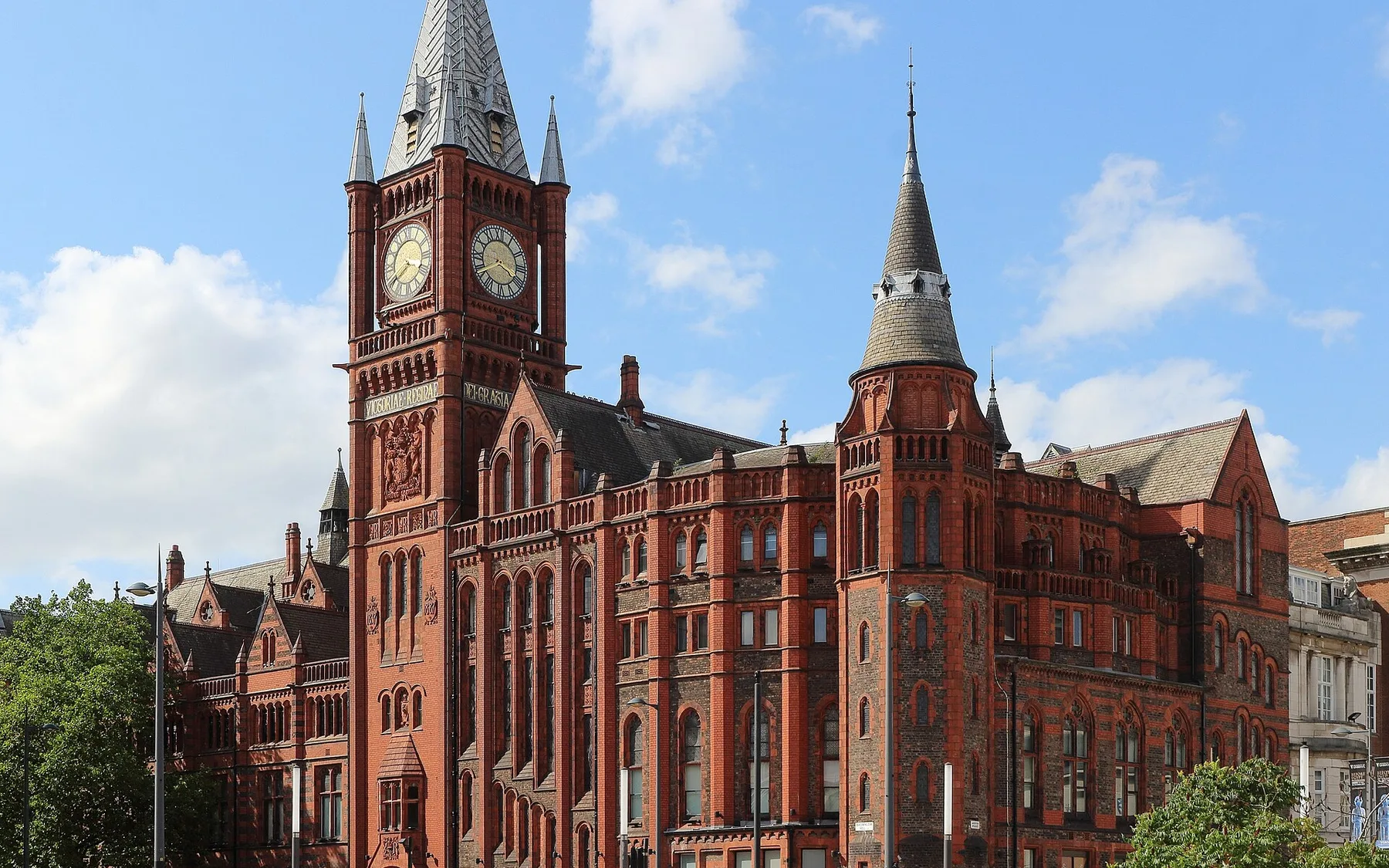
On Sunday 18 October, Professor Frank Shovlin discusses his authorised biography John McGahern: A Writing Life at the Victoria Gallery and Museum. The seventh John McGahern Annual Book Prize follows later that afternoon.
On Monday 19 October, historian Sonja Tiernan speaks at The Black-E about Irish poet, activist and reformer Eva Gore-Booth.
The festival also includes Sharing Lands: Reconciliation, recognition and reciprocity on Monday 26 October, exploring the relationship between Ireland and the Choctaw Nation through the history of the Choctaw donation during the Great Hunger. The live festival listing gives the venue as Room 206 in LJMU's Student Life Building on Copperas Hill.
Family events
The main family day is at the Museum of Liverpool on Saturday 24 October, running from 11am to 4pm. The programme includes The Armagh Rhymers, Irish dance, music from the Melody Makers and Comhaltas, plus Brave Maeve activities.
The following afternoon, Samhain Céilí closes the main festival programme at Liverpool Irish Centre. Activities are aimed mainly at children aged 4 to 12, although older children and adults can join in. Gift bags are limited to the first 50 children.
For sport, John Mitchel's GAA hosts free Gaelic football, girls' football, hurling and camogie sessions across Saturday 17 and Sunday 18 October.
Heritage walks and the Liverpool Irish Famine Trail
The festival's heritage programme puts the Liverpool Irish Famine Trail at the centre of the final weekend.
On Saturday 24 October there are two short 45-minute tours starting from the Pilotage Building, followed by a longer two-hour walk at 2pm.
On Sunday 25 October, the annual An Gorta Mór vigil begins at Clarence Dock and walks to St Luke's Bombed Out Church. The memorial service follows at St Luke's at 1pm.
Earlier in the festival, the Scotland Road and the Irish community tour visits Vauxhall Neighbourhood Council, St Anthony's Church and The Rotunda, while the South Liverpool walking tour covers Irish connections around Hope Street and Rodney Street.
Art, exhibitions and film
In the Window runs throughout October at Bluecoat Display Centre, pairing County Derry ceramicist Adam Frew with Dún Laoghaire silversmith Maureen Lynch.
At the Victoria Gallery and Museum, The St Brigid's Arms is a fictional Irish pub created around the experiences of women of Irish heritage in the North of England. The exhibition runs for six months, with festival Q&A tours on 20 and 22 October.
The programme extends beyond the core festival dates with Testimony at The Bluecoat on Saturday 7 November. Aoife Kelleher's documentary follows survivors of Ireland's Magdalene Laundries and Mother and Baby Homes and their campaign for justice.
Tickets and booking
The simplest starting point is the Liverpool Irish Festival events page, which links to the relevant booking provider for each event.
Paid Philharmonic events are booked through Liverpool Philharmonic. Other events use a mixture of Eventbrite, Bookwhen and individual venue systems.
Several events are free but still require a reservation, including parts of the Central Library author day, the John McGahern Annual Book Prize, the Eva Gore-Booth talk, the St Brigid's Arms tours and Testimony.
Free turn-up events include Family Day, the GAA sessions, PK's seisiúns, the An Gorta Mór vigil and Samhain Céilí.
If there is one event you particularly want to see, book it rather than relying on availability on the day. The Music Room, Hope Street Theatre and smaller workshop spaces have much lower capacities than the festival's larger public events.
Staying overnight
Festival partner Kabannas Liverpool is advertising a 20% accommodation discount for festival visitors using the code irishfest. The Mathew Street property is in the city centre and is within walking distance of Lime Street, the waterfront and many central venues.
See the festival's Kabannas accommodation deal before booking, as conditions or availability may change.
Getting to Liverpool Irish Festival venues
Events are spread across the city rather than concentrated in one festival site, so check the venue before setting off. For public transport changes and live journey planning, use Merseytravel.
Hope Street and city centre
Liverpool Philharmonic Hall and Music Room, Unity Theatre, Hope Street Theatre and Blackburne House are all clustered around Hope Street and the Georgian Quarter.
Liverpool Central is roughly a 10-minute walk from the Philharmonic area, while Lime Street is around 15 minutes away depending on route and walking speed.
Liverpool Central Library is opposite Lime Street station, while The Bluecoat and Bluecoat Display Centre are close to Liverpool Central and the main shopping district.
The Black-E is on Great George Street, close to Chinatown and St Luke's.
Waterfront
Museum of Liverpool is at Pier Head. James Street is the closest Merseyrail station, with Moorfields and Liverpool Central also within walking distance.
The Famine Trail tours begin at the waterside of the Pilotage Building, close to the Museum of Liverpool. The An Gorta Mór vigil starts at Clarence Dock Gates before heading towards St Luke's.
Sefton Park and south Liverpool
Sefton Park Palm House hosts I Am Here on 22 October. St Michaels is the nearest Merseyrail station, followed by a walk through or around the park.
Peter Kavanagh's is on Egerton Street, while the Irish set dancing course takes place at Liverpool Cricket Club on Aigburth Road.
Liverpool Irish Centre
Liverpool Irish Centre is at 6 Boundary Lane, L6 5JG, off Edge Lane. Several festival events are held there, including High Tea, The Phogues and Samhain Céilí.
LJMU and University of Liverpool
Victoria Gallery and Museum is on the University of Liverpool campus on Ashton Street.
Sharing Lands is listed at Room 206, LJMU Student Life Building, Copperas Hill, L3 5AJ. This is close to Lime Street station.
Accessibility
The festival publishes venue accessibility information and provides Easy Read, Braille and audio versions of parts of its programme.
The Museum of Liverpool, Central Library and Liverpool Philharmonic have substantial step-free provision. Access at older buildings and pubs varies, so check the individual event or venue page before booking if you need step-free entry, accessible toilets, seating, hearing support or other adjustments.
The festival also provides access social stories for venues, aimed in part at neurodivergent visitors and people with additional access needs.
What "I Am Here" means
The 2026 theme asks what it means to arrive, stay and be recognised.
One of its historical reference points is Clarence Dock, through which around 1.8 million Irish people entered Liverpool during the Great Hunger years between 1845 and 1853. Some continued to North America and elsewhere, while many remained in Liverpool and became part of the city's communities.
That history appears throughout the programme, but the festival also uses the theme to look at present-day identity, female heritage, migration, artistic voice and community.
Before you go
Check your event page on the day you travel. Festival programmes can change, particularly venue rooms, start times and access arrangements.
For the latest programme and booking information, use the Liverpool Irish Festival events directory. For a shorter overview of the dates and main events, read L1Local's Liverpool Irish Festival 2026 event briefing. Our October 2026 what's on guide lists the rest of the month's events.
Comments
Join the conversation with your L1Local Community account. Keep it civil and on topic.