Liverpool's central waterfront runs from Princes Dock and the Pier Head, past Mann Island and Canning Dock, through the Royal Albert Dock and south towards King's Dock.
This part of the city has some of Liverpool's most recognisable buildings, but it is also a working district shaped by transport, public events, museums, hotels, offices and redevelopment projects.
The area is straightforward to cross on foot. James Street station, Liverpool ONE Bus Station and the Mersey Ferry terminal are all nearby. However, several familiar attractions are closed or working from temporary premises. The Maritime Museum and International Slavery Museum are closed for redevelopment, while Tate Liverpool is using RIBA North at Mann Island before its main Royal Albert Dock building reopens.
Getting to the waterfront and what is there
- James Street station is the closest stop for the Pier Head, Museum of Liverpool, Mann Island and the ferry terminal.
- The Museum of Liverpool, Open Eye Gallery, British Music Experience and The Beatles Story are operating.
- The Maritime Museum and International Slavery Museum are closed while the waterfront museum project continues.
- Tate Liverpool is currently at RIBA North, not in its usual Royal Albert Dock building.
- For a simple route, walk Pier Head, Mann Island, Royal Albert Dock, then King's Dock.
- Check ferry times, museum opening days and arena event rules before travelling.

The main parts of Liverpool waterfront
For practical planning, split the central waterfront into four connected areas.
| Area | Main buildings and places |
|---|---|
| Pier Head | Royal Liver Building, Cunard Building, Port of Liverpool Building, Beatles statue and Liverpool Gerry Marsden Ferry Terminal. |
| Mann Island and Canning Dock | Museum of Liverpool, Open Eye Gallery, Tate Liverpool at RIBA North and the dock bridges. |
| Royal Albert Dock | Historic warehouses, The Beatles Story, restaurants, hotels and the closed museum buildings. |
| King's Dock | ACC Liverpool, M&S Bank Arena, Exhibition Centre Liverpool, hotels and the Wheel of Liverpool. |
Princes Dock and the Liverpool Waters development continue north from the Pier Head. South of King's Dock, the riverside route continues towards Liverpool Marina, Brunswick and Otterspool.
The section between the Pier Head and King's Dock is compact enough to explore on foot. The route becomes longer and less concentrated if you continue into the north docks or south towards Otterspool.
Pier Head and the Three Graces
The Pier Head sits at the western end of Water Street and James Street. Its three main buildings are the Royal Liver Building, the Cunard Building and the Port of Liverpool Building.
They should not be treated only as a skyline backdrop. The buildings show how closely Liverpool's architecture was tied to shipping companies, insurance, port administration and the docks.
The buildings are not all freely open to the public. The Royal Liver Building contains offices, although paid tower visits are available through Royal Liver Building 360. The British Music Experience occupies part of the Cunard Building.
For more detail about the buildings and their original uses, read L1 Local's guide to the Pier Head and the Three Graces.
British Music Experience
The British Music Experience covers British popular music through instruments, stage clothing, photographs, performance footage and interactive displays.
The museum currently lists daily opening from 10am to 5pm, with last entry at 4pm. It uses timed entry slots, so check the British Music Experience visitor page before travelling.
The Beatles statue
The bronze Beatles statue stands on the riverside plaza near the ferry terminal. It is in an open public space and can be accessed without a ticket.
The area around it can become busy during weekends, cruise ship visits, football parades and events on the Pier Head. It is close to the ferry terminal, Museum of Liverpool and the walking route towards Mann Island.

Mersey Ferries from the Pier Head
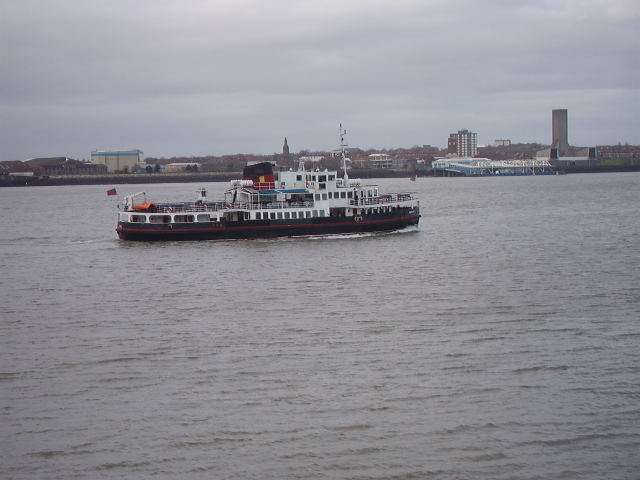
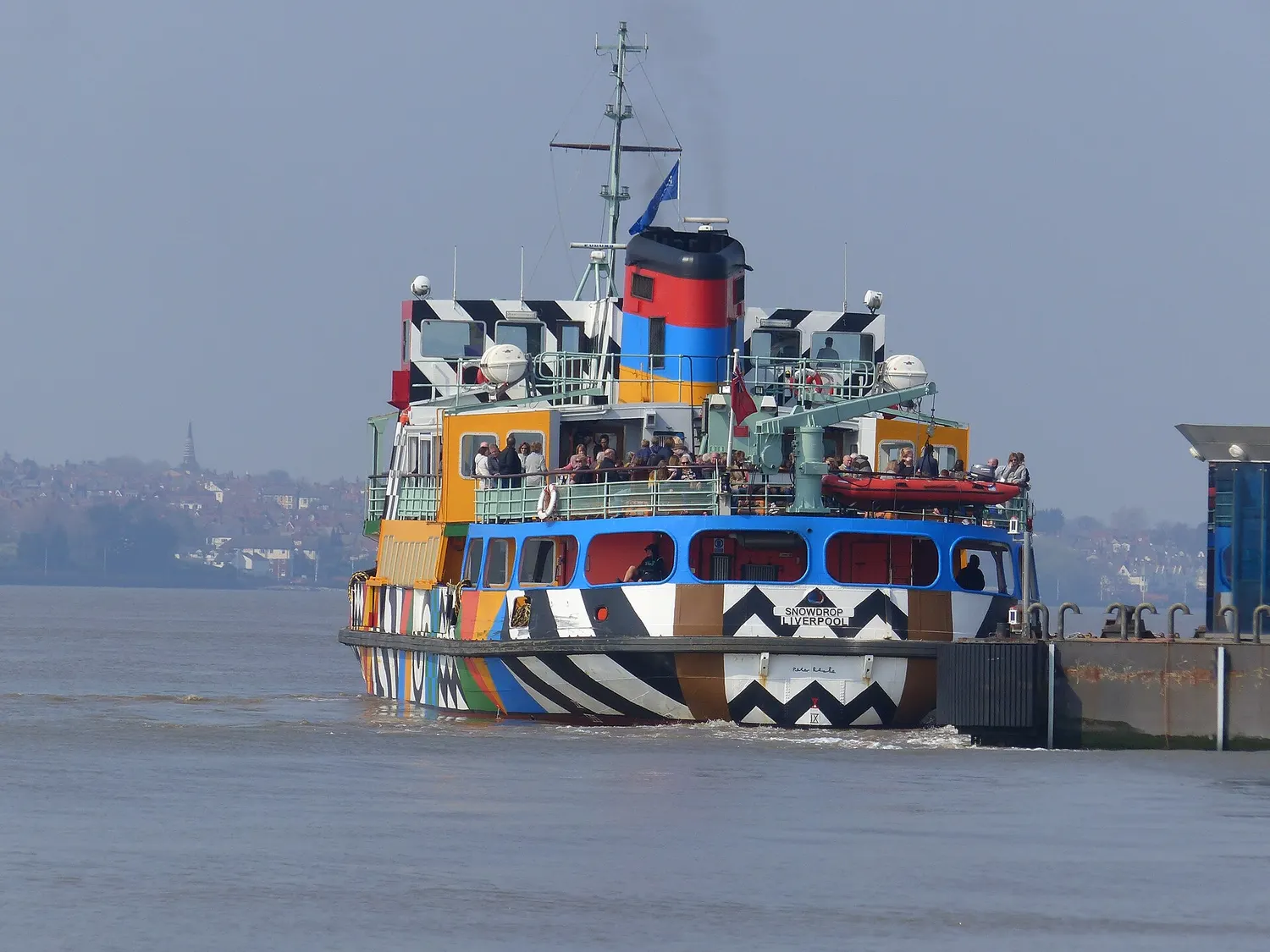
The ferry terminal at the Pier Head is officially called the Liverpool Gerry Marsden Ferry Terminal.
Two types of ferry service operate from here: direct weekday commuter crossings between Liverpool and Seacombe, and the longer River Explorer cruises.
The direct cross-river service takes about 10 minutes and runs during weekday commuter periods. The River Explorer Cruise timetable currently shows Pier Head departures on the hour from 10am to 4pm on weekdays. Weekend and bank holiday hours vary by season.
Bicycles can be taken on the River Explorer service and dogs are permitted. Tickets can be booked online or bought by card at the terminal.
L1 Local has a separate guide to taking the Mersey Ferry between the Pier Head and Seacombe, including the difference between commuter crossings and sightseeing cruises.
Museum of Liverpool
The Museum of Liverpool stands between the Pier Head and Canning Dock.
Its exhibitions cover the city's social history, transport, industries, music, politics, housing, communities and sport. Entry to the permanent galleries is free, although some events may need booking.
National Museums Liverpool says its museums open from 10am to 5pm, with daily opening during school summer holidays and usual Monday closures outside holiday periods. Check the museum page before making a special journey.
The museum also gives one of the clearest indoor views across the Pier Head. Its large window faces the Three Graces and the river.

Mann Island and Canning Dock
Mann Island connects the Pier Head with the Royal Albert Dock. The route crosses dock basins and bridges rather than following one uninterrupted river path.
This section includes the Museum of Liverpool, Open Eye Gallery, Tate Liverpool's temporary premises and the entrance to the Royal Albert Dock.
The black-clad Mann Island buildings contain apartments, offices, galleries and covered public walkways. The internal courtyard can help during poor weather, although it is not a full indoor route between the Pier Head and Albert Dock.
Open Eye Gallery
Open Eye Gallery is a free photography gallery at 19 Mann Island.
It is currently open from 10am to 5pm, Tuesday to Sunday. Quiet hours are held from 10am to noon on Sundays. The entrance is inside the covered Mann Island courtyard rather than directly facing the Strand.
Tate Liverpool at RIBA North
Tate Liverpool's main Royal Albert Dock building is closed for redevelopment.
A temporary gallery is operating from RIBA North at Mann Island. Tate lists the Mann Island gallery as open daily from 10am to 5.50pm, with free admission.
The Mann Island gallery is much smaller than the main Tate Liverpool building. It works as part of a wider waterfront visit, but it does not offer the same amount of exhibition space as the former Albert Dock gallery.
Tate has announced that the redeveloped Royal Albert Dock building will reopen in 2027, with a major exhibition by Liverpool-born artist Chila Kumari Singh Burman due to open the programme.

Royal Albert Dock
The Royal Albert Dock opened in 1846. Its warehouses used brick, stone and cast iron, with no structural timber in the main warehouse construction.
The dock's own history page explains that its fireproof warehouses, direct loading system and hydraulic cranes changed how cargo could be handled on the waterfront. You can read more in the Royal Albert Dock history and in L1 Local's guide to how Jesse Hartley built Liverpool's Albert Dock.
The dock declined as shipping methods changed and larger vessels moved towards docks farther north. The complex was abandoned by 1981 before being restored through the work of the Merseyside Development Corporation and private developers.
The warehouse complex is now Grade I listed. Its public quaysides are free to enter, but the attractions, restaurants, shops and hotels set their own prices and opening hours.

The Beatles Story
The Beatles Story is a paid exhibition inside the Britannia Vaults at the Royal Albert Dock.
From March to September 2026, the main exhibition is listed as opening from 9am to 6.30pm, with last entry at 5pm. The museum advises checking the current calendar and booking a date and time in advance.
Eating and drinking at the dock
The dock has cafes, restaurants, bars and takeaway options. Tenants and opening hours can change, so the Royal Albert Dock food and drink directory is more reliable than an old list of individual businesses.
Liverpool ONE is a short walk across the Strand and provides additional options. Castle Street, Water Street and the Baltic Triangle can also be reached on foot, depending on the rest of your day. Towards the northern dock edge behind Princes Dock, working craft brewery Azvex Brewery & Taproom pours fresh beer on Gibraltar Row.
Maritime Museum and International Slavery Museum closures
The Maritime Museum and International Slavery Museum closed to the public in January 2025.
National Museums Liverpool says the waterfront museum project is intended to reopen the International Slavery Museum in 2029 with new learning space, while Maritime Museum galleries will also be refreshed.
This changes what is available at the Royal Albert Dock. Older guides may still describe the Maritime Museum, International Slavery Museum and Tate Liverpool as three large free attractions operating from the dock. That is no longer accurate.
The dock remains publicly accessible, and The Beatles Story, shops, restaurants and hotels continue to operate. However, anyone planning a museum-heavy day needs to account for the closures.
Liverpool's waterfront and the history of slavery
Liverpool's maritime history includes shipbuilding, migration, dock labour, insurance and international trade. It also includes the city's central role in the transatlantic trafficking of enslaved African people.
National Museums Liverpool says Liverpool was responsible for half the British transatlantic slave trade, and that Liverpool ships carried perhaps 1.5 million enslaved Africans into slavery. That context is set out on the International Slavery Museum about page.
The profits and commercial networks connected to slavery affected Liverpool's merchants, financial institutions, buildings and wider development. This should not be reduced to one museum building or treated as a footnote to the waterfront's architecture.
While the International Slavery Museum is closed, National Museums Liverpool still provides online information about the transatlantic slave trade, its collections and Liverpool's involvement.
King's Dock and the event district
King's Dock sits immediately south of the Royal Albert Dock.
The area contains M&S Bank Arena, ACC Liverpool convention centre, Exhibition Centre Liverpool, The Auditorium, Ticket Quarter, the Wheel of Liverpool, several hotels and King's Dock Car Park.
The buildings operate together as the Liverpool Experience Campus, hosting concerts, conferences, exhibitions and other large events.
King's Dock can feel very different depending on the event calendar. It may be quiet during the day and then become crowded before an arena concert or large convention.
If you are attending an event, check door times, ticket conditions, bag restrictions, age rules, accessible entrance arrangements, road closures, parking availability and the final train, bus or ferry home. The venue also provides AccessAble guides for accessibility information.

Getting to Liverpool waterfront
By train
James Street station is the nearest railway station for the Pier Head, Museum of Liverpool and Mann Island.
Merseytravel lists James Street station with step-free access to platforms, accessible toilets and wheelchair access. It also records a vertical step between platform and train, so passengers who need boarding assistance should check arrangements before travelling.
Moorfields is useful for the northern side of the Pier Head and Water Street. Liverpool Lime Street is farther inland but remains within walking distance through the city centre or Liverpool ONE.
By bus
Liverpool ONE Bus Station is the nearest major bus terminal for the Royal Albert Dock and King's Dock.
It is at Canning Place, beside Liverpool ONE and across the Strand from the waterfront. Routes and stopping arrangements can change, especially during roadworks and city-centre events, so use the current Merseytravel timetables before relying on an old route list.
On foot
The central waterfront works best as one connected walking route.
- Begin at James Street station.
- Walk to the Pier Head and Three Graces.
- Continue past the ferry terminal and Beatles statue.
- Walk towards the Museum of Liverpool.
- Cross Mann Island and Canning Dock.
- Enter the Royal Albert Dock.
- Continue south towards King's Dock.
For a longer route, read L1 Local's Liverpool waterfront walking guide.
Parking
Driving can work for arena events, families carrying equipment or people with specific access needs. It can also be slow around the Strand and King's Dock before and after large events.
Royal Albert Dock parking
The Royal Albert Dock has 24-hour parking. The dock's parking page currently gives the location as Albert Dock, Liverpool, Merseyside, L3 4AF and lists standard charges by length of stay.
Royal Albert Dock also provides ramps, accessible toilets and accessible parking. The dock accessibility page says standard parking charges apply to Blue Badge holders.
King's Dock parking
King's Dock Car Park has 1,450 spaces, with accessible bays and electric charging points on every floor. Charges vary by length of stay.
Liverpool ONE parking
Q-Park Liverpool ONE is underneath Chavasse Park and accessed from the Strand. Liverpool ONE lists 1,900 spaces and 81 accessible spaces on its parking page.
Pre-booking can reduce uncertainty on arena nights, conference days and busy weekends, but drivers should still allow time for queues when several waterfront venues are operating at once.
Walking conditions and accessibility
The main pedestrian route between the Pier Head, Mann Island, Royal Albert Dock and King's Dock is largely flat.
Some sections include stone paving, cobbles, dock bridges, metal surfaces, uneven joints, temporary barriers and exposed dock edges.
The route is generally suitable for wheelchairs and prams, but individual attractions have their own entrances, lifts and access arrangements. Check the relevant venue page if a visitor has specific mobility, sensory or communication needs.
There is limited shelter between some buildings. Wind and rain can feel stronger beside the Mersey than they do on streets farther inland. Children should be supervised around open dock edges, bridges and the river.
Public events and temporary disruption
The Pier Head, Royal Albert Dock and King's Dock are regularly used for concerts, festivals, public ceremonies, ship visits, exhibitions and sporting celebrations.
Temporary arrangements may include road closures, diversions on the Strand, moved bus stops, security checks, barriers across normal walking routes, restricted cycling, controlled entry to parts of the Pier Head and longer parking queues.
The area should not be treated as permanently open in the same configuration. Check the event organiser, venue, Liverpool City Council and Merseytravel before travelling to a large event.
Liverpool waterfront and UNESCO status
Liverpool Maritime Mercantile City was added to the UNESCO World Heritage List in 2004. The designation covered several areas connected to the city's development as an international port, including the Pier Head and Royal Albert Dock.
UNESCO removed Liverpool from the World Heritage List on 21 July 2021. The committee said development had caused an irreversible loss of the attributes that had carried the site's outstanding universal value. UNESCO's decision is recorded in Decision 44 COM 7A.34.
The loss of UNESCO status did not remove the listed status of individual buildings. The Royal Albert Dock warehouses and many structures around the Pier Head remain protected under UK planning and heritage law.
Current articles should not describe Liverpool waterfront as an existing UNESCO World Heritage Site.
What is changing around the waterfront?
The central waterfront is not a completed regeneration project.
Current and forthcoming changes include the Tate Liverpool redevelopment, the Maritime Museum and International Slavery Museum redevelopment, continued work around Princes Dock and the north docks, changes to ferry services and regular event infrastructure.
The main issue is not whether development should happen at all. It is how new buildings, commercial uses and event spaces affect public access to the river, views of protected buildings and the ability to explain the waterfront's history properly.
Using the waterfront without overplanning
The waterfront does not need to be treated as a checklist of attractions. A practical visit works better when you choose one main activity.
For history
The Museum of Liverpool works as the main stop. Walk on from there through the Pier Head and Royal Albert Dock.
For art and photography
Combine Open Eye Gallery with Tate Liverpool at RIBA North and the public spaces around Canning Dock.
For music
Choose either the British Music Experience or The Beatles Story rather than rushing through both.
For the river
Plan around the Mersey Ferry timetable and leave enough time to explore Seacombe or complete the full River Explorer route.
For an arena event
Arrive through Liverpool ONE or James Street, eat before the busiest period and confirm the final journey home before entering the venue.
For a longer walk
Continue south from King's Dock towards Liverpool Marina and Otterspool, or north from the Pier Head towards Princes Dock.
What to check before travelling
Opening times, ferry sailings and access arrangements can change.
- Museum and gallery opening days.
- Temporary exhibitions.
- Ferry sailing times.
- Attraction ticket availability.
- Arena entry rules.
- Public transport disruption.
- Road closures.
- Parking charges.
- Weather conditions.
- Accessibility arrangements.
This is particularly important while three of the waterfront's main cultural buildings are closed or operating from temporary premises.
The current position
Liverpool waterfront remains one of the clearest places to understand how the city developed around trade, shipping, migration, dock labour and the River Mersey.
It is also an area in transition.
The Museum of Liverpool, Open Eye Gallery, British Music Experience and The Beatles Story are operating. Tate Liverpool has a temporary Mann Island gallery. The Maritime Museum and International Slavery Museum are closed during the waterfront museum redevelopment.
Check official opening and transport pages before travelling, especially when a large event is taking place at the Pier Head or King's Dock. For wider transport planning, see L1 Local's guide to getting around Liverpool without a car.





.jpg)
.jpg)

