One Merseytravel page says Kingsway's vehicle weight limit is 38 tonnes. Another says 44 tonnes. The existing tunnel byelaws require special permission above 38 tonnes, but the proposed replacement would raise that threshold to 44. Which figure is a haulier supposed to follow today?
That is one question raised by a comparison of the rules governing Liverpool's two road tunnels with the 2026 proposals from Liverpool City Region Combined Authority. The draft also covers breakdown recovery and storage charges, speed limits around the Wallasey toll plaza, cyclists and the use of camera evidence.
The consultation closes on Thursday 19 November 2026. These are proposed rules, not regulations already in force or terms that motorists are being asked to sign. Readers can inspect the 2003 byelaws alongside the full 2026 draft and respond to the consultation.
At a glance
Status: proposed byelaws, not yet adopted.
Deadline: Thursday 19 November 2026.
Potential changes: Kingsway weight permission threshold, toll plaza speed wording, following distances, recovery rules and enforcement evidence.
What stays: main in-tunnel limits of 30mph in Queensway and 40mph in Kingsway.
Why the Mersey Tunnels rules are being rewritten
The Queensway road tunnel connects Liverpool with Birkenhead, while Kingsway connects Liverpool and Wallasey. Both are subject to byelaws setting out who can use them and the powers of tunnel police and authorised officers. The published rules date from 2003.
The Combined Authority says its review is intended to reflect changes in vehicle technology, safety arrangements and how the tunnels are operated. It authorised consultation on 25 September 2026. Any revised byelaws must return for final approval and then be submitted to the Secretary of State for Transport for confirmation.
The history of the two crossings is covered separately in our Mersey Tunnels history guide. The immediate issue here is what the legal wording would mean for people driving, cycling or transporting goods across the river.
Why do Merseytravel's Kingsway weight limits disagree?
Byelaw 10 of the existing regulations requires special permission for a vehicle weighing more than 38 tonnes to use Kingsway.
Merseytravel's tunnel FAQ repeats 38 tonnes and says heavier vehicles may travel with prior approval based on load calculations. Yet its separate driver safety advice gives a Kingsway weight limit of 44 tonnes.
The 2026 draft, Byelaw 10(c), proposes 44 tonnes as the threshold beyond which express permission is required.
A separate legal authorisation or current operating permission could explain the difference. The published materials reviewed do not establish that explanation. The authority should identify which restriction is legally applicable today and why its own guidance pages disagree.
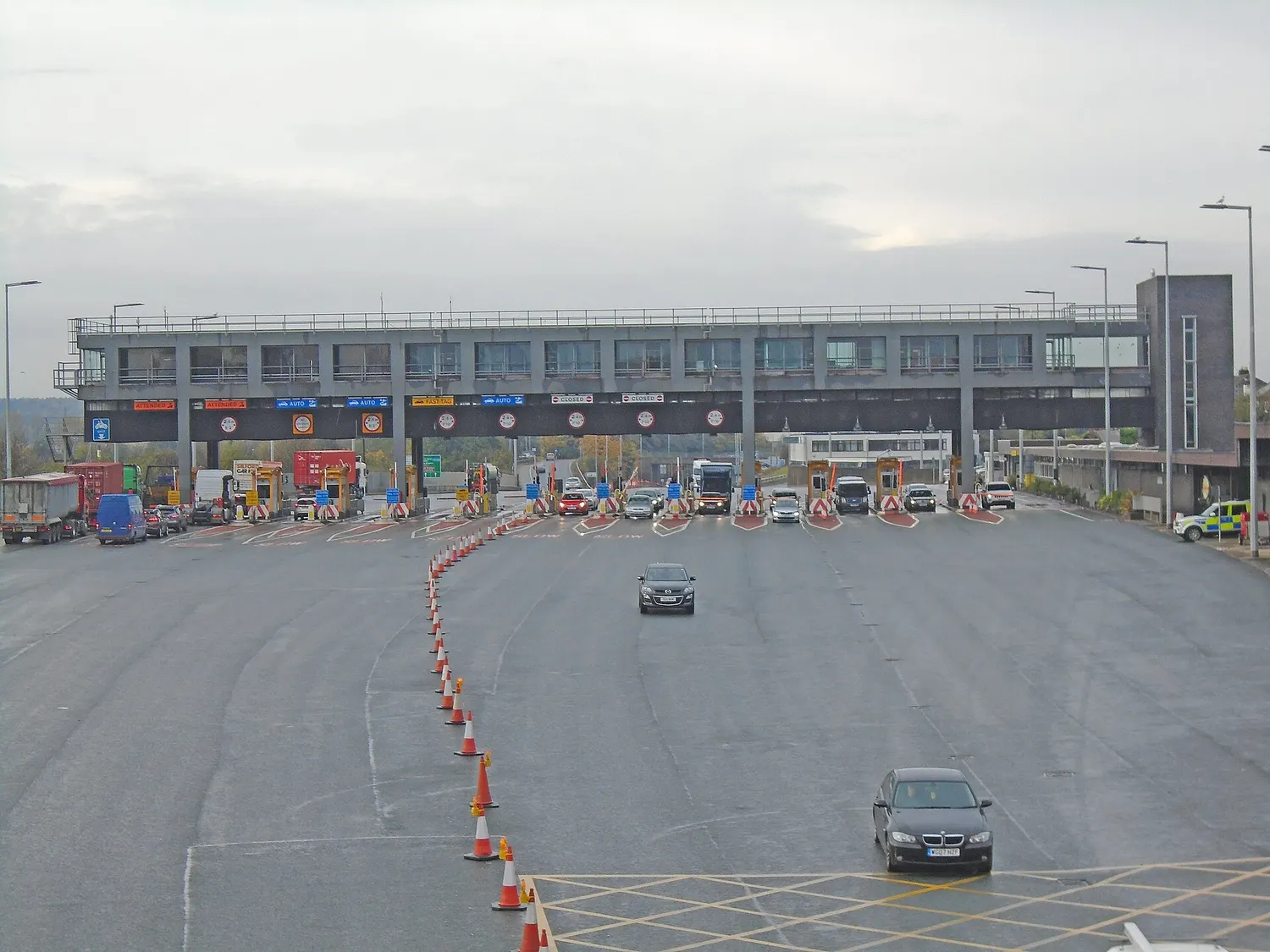
Vehicles approach the Kingsway toll area at Wallasey. Photo: Rodhullandemu, CC BY-SA 3.0, via Wikimedia Commons.
Why does the cycling advice include Saturdays?
The existing 2003 byelaws prohibit cycling through Queensway from 6am to 8pm, Monday to Friday, and from 8am to 9pm on Sundays between 1 April and 30 September. They do not expressly list a Saturday daytime restriction.
Other legislation or notices may support the restriction already advertised. The difference is not proof of improper enforcement. It is, however, a reasonable question for the authority: when was the Saturday prohibition introduced, and under which legal power does it currently operate?
There is an age discrepancy too. The 2003 wording excludes riders under 14; the draft says riders must be over 14. Read literally, that could change the position of a cyclist who is exactly 14. The authority should explain whether the distinction is deliberate.
New recovery, storage and disposal provisions
Proposed Byelaw 6 sets out what happens when vehicles are recovered or removed from the tunnels and their approaches. The 2003 rules already permit officers to arrange removal, but the new draft spells out storage periods, charges and eventual disposal.
Under the proposal, a vehicle removed in accordance with Byelaw 6 would initially go to an authority-designated area. There would be a 24-hour collection period calculated from noon on the first day after removal. If uncollected, it could be moved to an appointed contractor, with storage charges applying.
Where a vehicle remained unclaimed for 30 days with the contractor, the draft would permit disposal subject to its provisions. The registered owner could remain liable for recovery, storage and disposal costs, with specified exceptions.
The draft does not provide a straightforward itemised tariff showing what an ordinary motorist would pay. The authority should publish the applicable rates, how vehicle owners are notified and what arrangements exist for challenging a charge. The disposal wording does not mean every ordinary breakdown automatically results in disposal after 30 days.
What should drivers do during a breakdown?
The proposed wording tells a driver whose vehicle breaks down to remain inside and await authorised recovery. It also instructs those involved in collisions not to attempt to move the damaged vehicle while awaiting assistance.
There is a critical safety distinction. Merseytravel's emergency advice tells drivers to switch on hazard lights, turn off the engine and seek help at an emergency telephone. If a vehicle is on fire and cannot safely be driven out, occupants must leave immediately. Drivers must also follow any instruction to evacuate.
The authority should explain how its proposed general recovery instruction will be communicated alongside emergency evacuation advice.
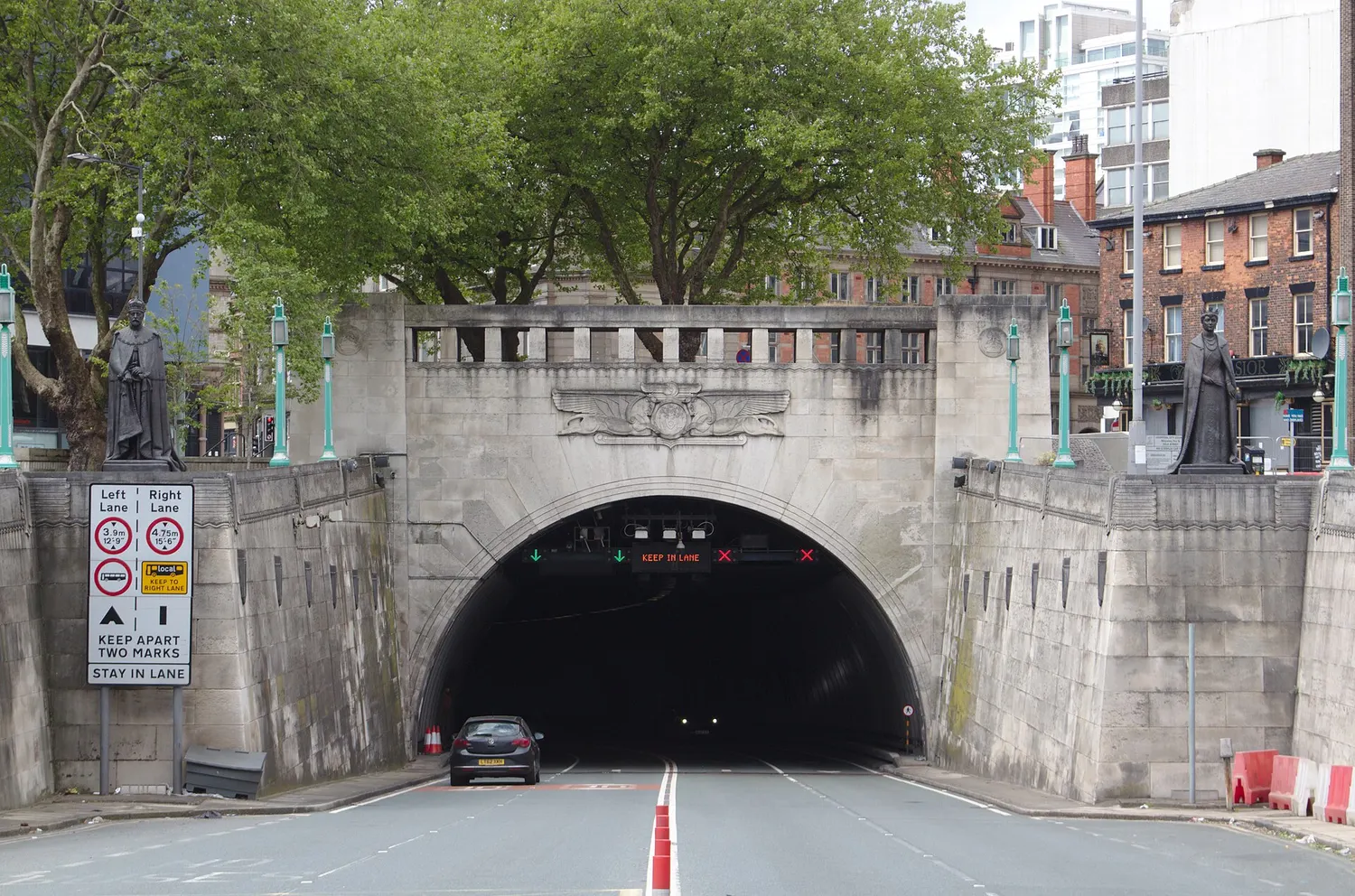
The Queensway Tunnel entrance in Liverpool. Photo: Rodhullandemu, CC BY-SA 4.0, via Wikimedia Commons.
Free weekend guide every Thursday
Things to do, useful local news and our latest Liverpool guides. Free to your inbox.
A 30mph section around the Wallasey toll plaza
The draft introduces a specific 30mph stretch around the Kingsway toll plaza, described by reference to the Gorsey Lane roundabout and Oakdale Road bridge. The 2003 byelaws specify 40mph and 50mph for relevant parts of the Wallasey approaches.
This is a change in the legal text. It does not establish that all affected drivers would encounter newly lowered signed limits, since separate traffic restrictions and signs may already apply. A marked plan showing the existing and proposed limits would help clarify the practical effect.
Longer minimum gaps in Kingsway
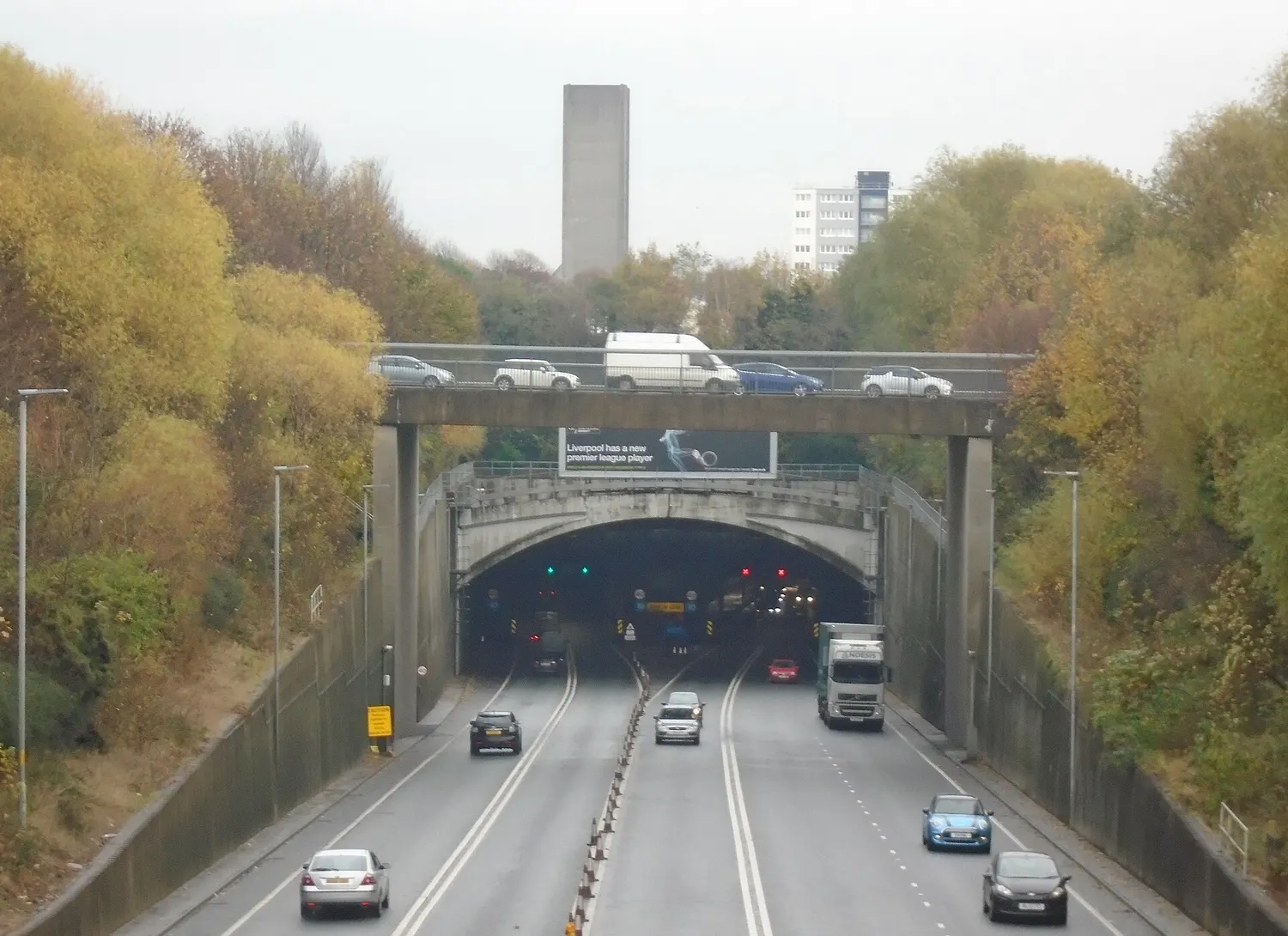
The main speed limits inside the tunnels would remain 30mph for Queensway and 40mph for Kingsway. But the proposed minimum following distances change:
23mExisting general minimum, both tunnels
36mProposed Kingsway, ordinary vehicles
72mProposed Kingsway, HGVs
Queensway would retain 23 metres. The draft also retains a shorter 2.75-metre requirement in specified circumstances when vehicles stop in obedience to a traffic sign, unless officers direct otherwise.
Merseytravel currently advises drivers to keep a two-second gap, or four seconds for HGVs. Those recommendations use time rather than a fixed measurement. The authority should explain how the proposed distances were chosen and how drivers are expected to judge compliance.
Current Mersey Tunnels byelaws versus the 2026 draft
Issue
2003 byelaws
2026 proposal
Kingsway toll plaza
Relevant approaches at 40mph or 50mph
Specific 30mph toll plaza stretch
Following distance
23m general minimum
23m Queensway; 36m Kingsway; 72m Kingsway HGVs
Recovery
Officers can arrange removal
Detailed storage, charges and disposal provisions
Toll payment
Payment at appropriate toll point
Authority may publish methods and deadlines
Kingsway heavy vehicles
Permission above 38 tonnes
Permission above 44 tonnes
Saturday cycling
No express Saturday time ban
7am–8pm restriction in Queensway
Cyclist age
Under 14 excluded
Must be over 14
Enforcement evidence
No equivalent express provision
Speed devices and recorded images addressed
Maximum stated fine
£1,000 on summary conviction
£1,000, subject to changes in statutory fine level
This compares the written regulations. Some proposals may formalise practices already authorised elsewhere, rather than introduce wholly new restrictions.
Would toll payments or camera enforcement change?
Proposed Byelaw 3(c) would allow the authority to determine and publish how and when tolls are paid. Where drivers use a physical toll point, the draft still requires payment before proceeding beyond it unless authorised.
This provides flexibility, but does not announce the removal of toll barriers, a general pay-later system or a toll increase. Merseytravel already uses number plate recognition with T-FLOW accounts.
New Byelaw 17 would expressly allow appropriate evidence from approved speed-measurement devices and recorded video or images to be relied upon in proceedings. That is not, by itself, confirmation of new cameras or an automatic penalty scheme.
The draft retains a stated maximum fine of £1,000 on summary conviction, with a reference to any increase in the applicable statutory level. That is a potential court penalty, not a fine automatically issued for every infringement.
E-bikes, mobility scooters and dangerous goods
The proposals expressly include electrically assisted pedal cycles within the cycling conditions. Other powered personal transporters, including e-scooters and mobility scooters, are individually named in a provision excluding vehicles outside the applicable toll classes unless authorised. That may clarify existing restrictions rather than newly prohibit a device that is currently permitted.
The draft also expressly incorporates the Category D ADR framework for transporting dangerous goods. Merseytravel's existing safety guidance already describes both tunnels as Category D, so that provision may principally update the legal wording and responsibility placed on hauliers.
How to respond before 19 November 2026
The Combined Authority is accepting comments and objections until Thursday 19 November 2026. You can read the full draft and access the consultation through Merseytravel's byelaws consultation page.
Written representations can also be sent to [email protected]. The formal public notice of 19 October says copies are available for inspection during usual weekday office hours at Liverpool City Region Combined Authority, 1 Mann Island, Liverpool L3 1BP.
Useful responses could ask the authority to explain its conflicting weight and cycling guidance, publish recovery fees, supply a map of the toll plaza speed limits or clarify how the age wording is intended to operate.
Final approval and confirmation have not happened, and no commencement date has been announced. L1Local's Council Watch follows public decisions across the city region. For the background to the crossings, see our history of the Mersey Tunnels.
Share this story
Follow L1 Local
Liverpool news, guides and what's on, in your feed.
How Liverpool and Wirral were joined under the river: the 1886 railway tunnel, Queensway in 1934 and Kingsway in 1971, and what it took to build each one.
Documents and guidance checked 24 October 2026. The published materials have not yet resolved the legal basis for the difference in Saturday cycling advice or the existing 44-tonne guidance. No Combined Authority response to those specific questions has been obtained.
Common questions
Are the proposed Mersey Tunnels byelaws in force?
No. The 2026 byelaws are proposals under consultation until Thursday 19 November 2026. Final approval and confirmation are still required.
Are the speeds inside Queensway and Kingsway changing?
The draft retains the main 30mph maximum in Queensway and 40mph in Kingsway, but adds a 30mph Kingsway toll plaza section and longer minimum following distances in Kingsway.
When does the Mersey Tunnels consultation close?
Thursday 19 November 2026. The Combined Authority is accepting responses through Merseytravel and by email.
Comments
Join the conversation with your L1Local Community account. Keep it civil and on topic.
Liverpool this week
New places, local news, things to do and our latest guides. Weekly.
Comments
Join the conversation with your L1Local Community account. Keep it civil and on topic.