News
Lark Lane Redevelopment: £1m Secured, Still No Timetable
A million pounds was secured to redesign Lark Lane in January 2024. Thirty-one months on there is no published scheme, budget or start date. What is confirmed.
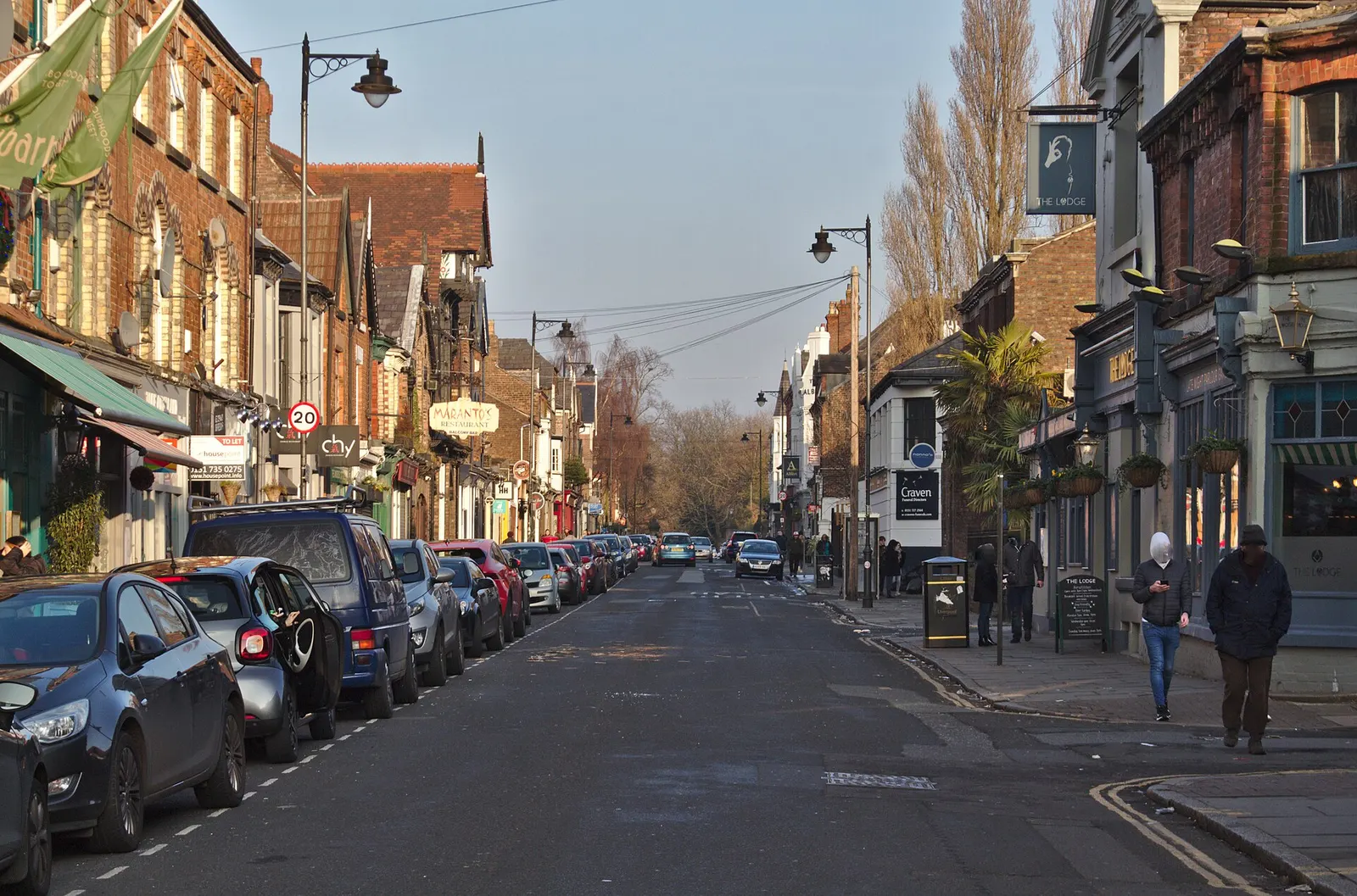
If you live on or near Lark Lane, you have probably heard that the street is going to be redesigned. A million pounds was secured for it, and that was announced in January 2024. Thirty-one months later there is no published design, no confirmed budget, no contractor and no start date.
The temporary layout put in during the pandemic is still what you drive and walk through. This piece sets out what is on the record, what is not, and the specific documents worth asking for.
Everything below was checked on 26 August 2026. Where we could not find a source, we say so rather than filling the gap.
What is confirmed
- £1 million was secured for a physical redesign of the lane, per Liverpool Green Party, first published 15 January 2024.
- The ideas listed were wider pavements, permanent and accessible bollarded areas, speed tables at junctions and better cycle infrastructure.
- The one-way system you use now started on Monday 20 July 2020 as a temporary pandemic measure.
- No council design, budget, contractor or start date has been published that we could find.
- The redesign was one of three strands. The other two, on licensing and on noise and litter, are separate from the roadworks.
The layout you use now was meant to be temporary
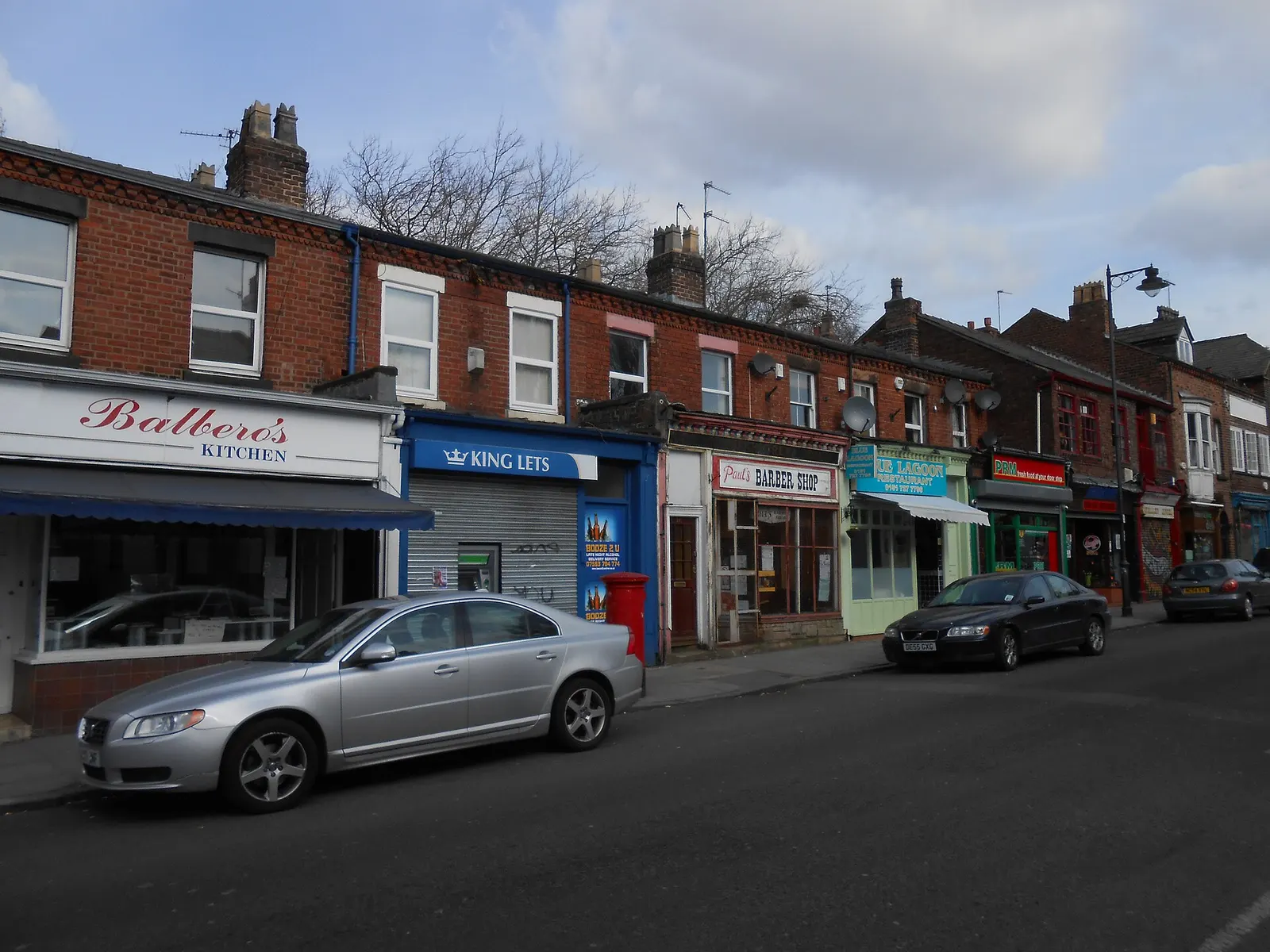
Lark Lane went one-way on Monday 20 July 2020 under Liverpool Without Walls, the scheme run by the council with Liverpool BID Company and Liverpool Chamber of Commerce to give bars and restaurants outdoor space while distancing rules applied. Bold Street and Castle Street had been done first, a fortnight earlier.
The council's own account of the changes, published by Liverpool Express, is more specific than most people remember:
- Traffic enters from the Aigburth Road end only.
- Parking bays between Lark Way and Linnet Lane were changed with signage and cones to make extra footway.
- Loading bays, disabled bays and ordinary bays were placed on the north side, between Lark Way and Lucerne Street and between Pelham Grove and Linnet Lane.
- The Keep Clear order outside Auckland College was left alone.
- Waverley Road and Little Parkfield Road went one-way at the same time.
- Pavement licence fees were waived for businesses applying to put tables out.
That is a six-year-old emergency measure still doing the job of a permanent design. It is the reason the redesign matters: whatever gets built will replace a layout nobody sat down and planned for the long term.
Where the £1 million came from, and what it was for
The clearest published account is on the Green Party's own site, in a post about Cllr John Howard's work with council officers and the Lark Lane Neighbourhood Association. It was first published on 15 January 2024 and last updated on 12 May 2026.
It describes a three-part approach, and the roadworks are only the first part:
- Physical redesign. "£1 million secured to change physical infrastructure on the Lane." Officers had drawn up initial plans, residents had commented, and redrafts for public consultation were said to be underway. The ideas listed were wider pavements, making the bollarded areas permanent, safer and accessible, speed tables at junctions, and better cycle infrastructure.
- Cumulative impact licensing. A petition submitted to full council asking for it to be reinstated on the lane, aimed at slowing the growth in late-night bars.
- A public meeting with officers on noise, licensing breaches and litter, which the redesign on its own would not fix. Alternative litter-picking methods and moving parking officers around during events in the park were among the things to be tried.
Worth separating those out. If you hear that "the Lark Lane plans" have moved, it is worth asking which of the three is meant, because only the first one involves digging up the street.
What we could not find
This is the part that matters most, so it is worth being plain about the limits of what we checked.
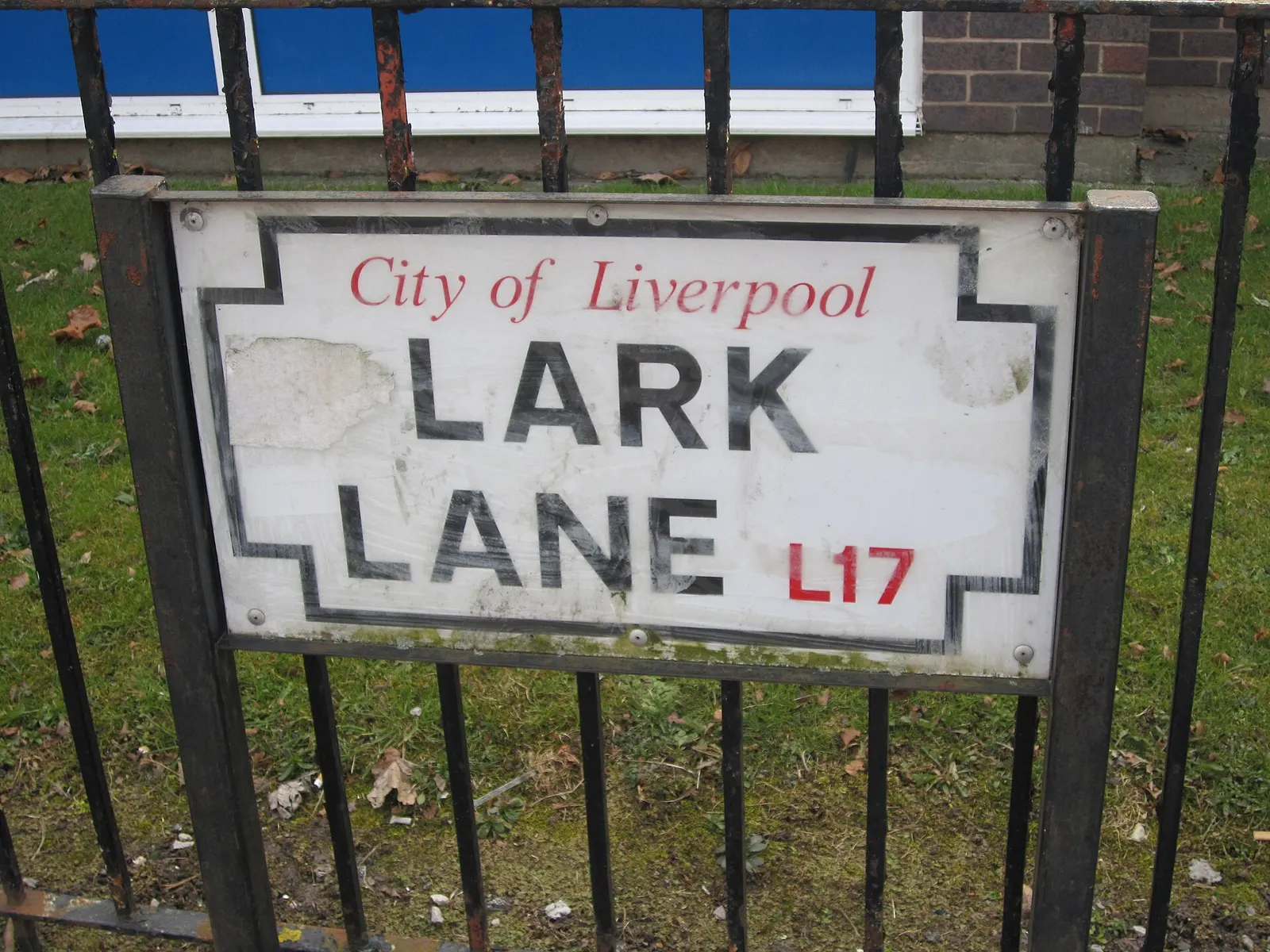
We could not find a published Liverpool City Council document setting out the final Lark Lane design, its budget, a contractor, a start date or a phasing plan. There is no dedicated council page for the scheme. Searching the council site returns nothing that pins down the current position.
We also could not find any published figure other than the £1 million. If you have seen a smaller number quoted, we could not source it, which does not mean it is wrong, only that we could not stand it up.
That is a statement about what is publicly findable, not an accusation that nothing has happened. Work may well be progressing internally. The point is that a resident who wants to know what is coming to their street cannot currently find out.
Parking is where this will be argued
Any redesign that widens pavements and adds cycle provision on a street this narrow has to take the space from somewhere, and on Lark Lane the only real reserve is kerbside parking.
The trade-off is genuine in both directions. Fewer parked cars means a clearer street, more room for tables and a better chance of a continuous accessible route. It also pushes drivers onto the streets around the lane, and Ivanhoe Road, Linnet Lane and the roads towards Sefton Park already take pressure on event days.
Businesses need loading that works. A restaurant taking several deliveries a day cannot rely on a bay at the wrong end of the lane, and badly placed loading is how vans end up blocking a running lane or a pavement.
Three questions the published design will need to answer:
- How many ordinary spaces go, and from which sections?
- How many accessible and loading bays remain, and exactly where?
- Do the surrounding residential streets get parking controls, and when is that consulted on separately?
Accessibility is a drawing question, not a word
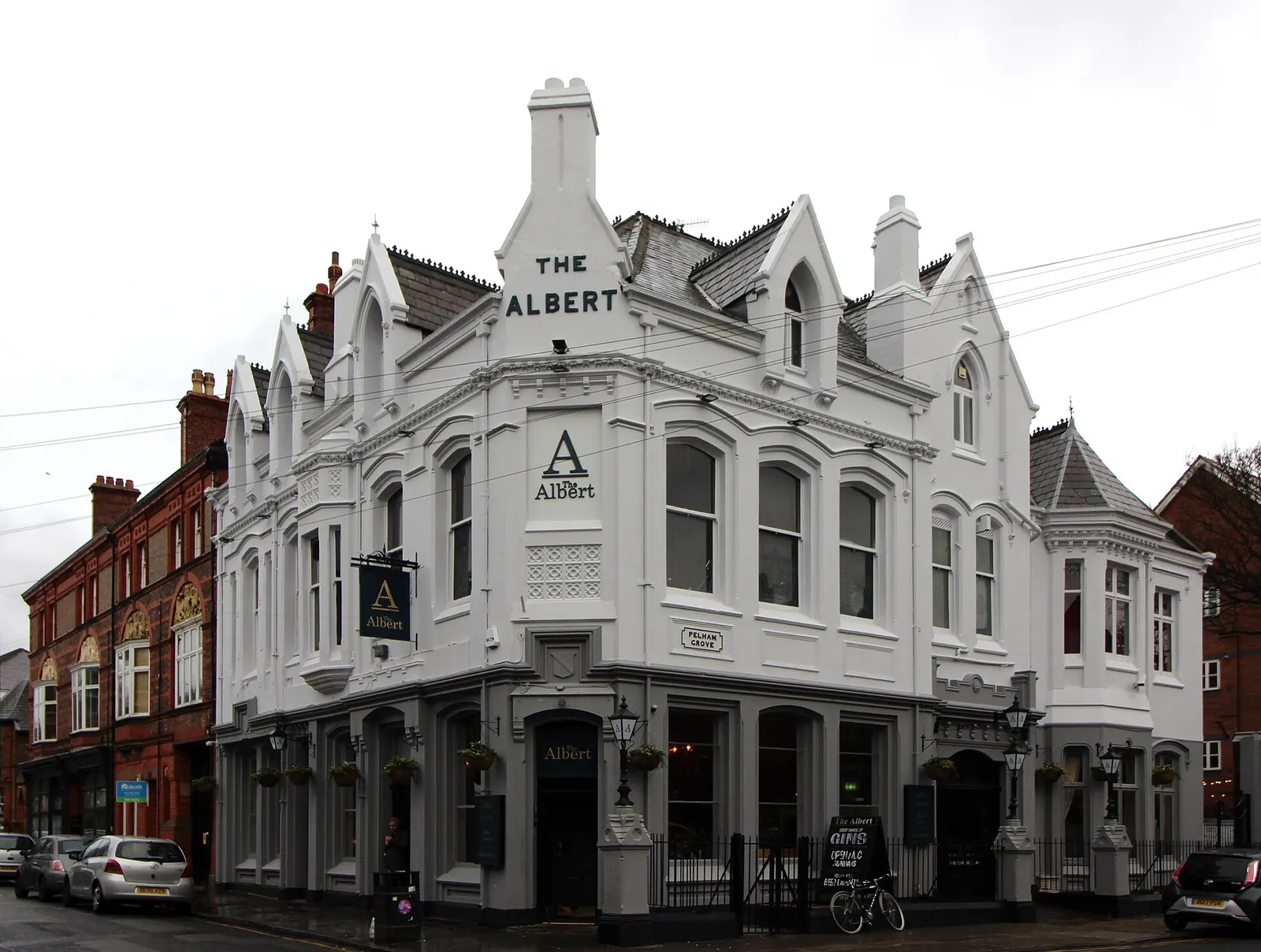
Making the bollarded areas "permanent, safer and accessible" is the stated aim. Whether that works depends on things only a drawing can settle: continuous unobstructed pavement width, dropped kerbs at the right crossings, tactile paving, and where the tables, planters, signs and cycle stands end up sitting.
Blue Badge bays matter here too. A scheme built around walking and cycling still has to serve people who cannot do either, and accessible parking is not an optional extra to be traded away for width elsewhere.
Pavement licences stay relevant after the works finish, because furniture put out under licence can narrow a route that the design left clear. The council publishes its roads and pavement licence guidance, which is where to comment if a specific frontage is a problem.
What to watch for
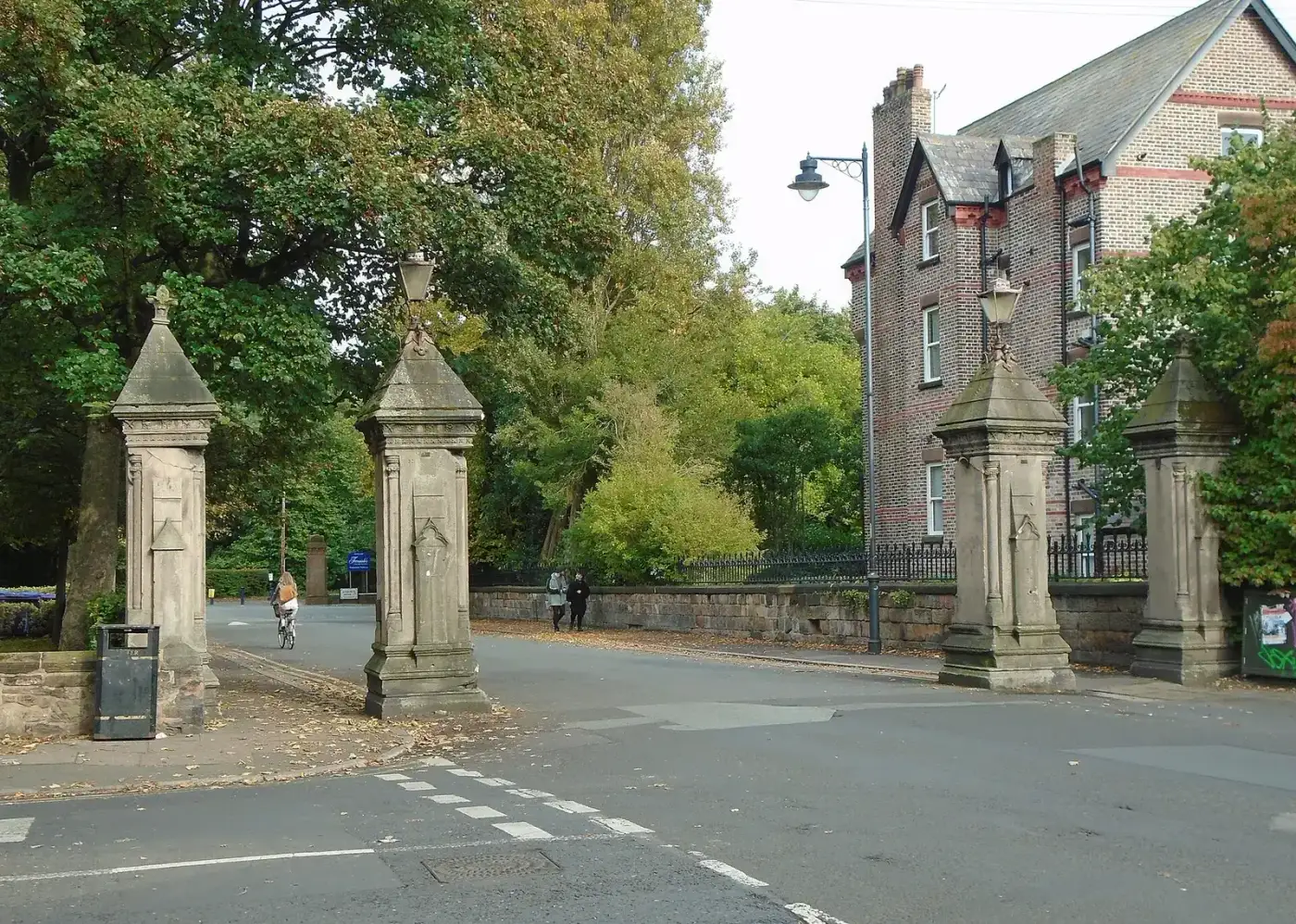
The next useful update will contain documents, not another statement that plans are progressing. Specifically:
- Final drawings showing what survived the design stage
- A funding decision naming the source and the current amount
- The number and position of parking, accessible and loading bays
- Any residents' parking consultation for the surrounding streets
- The traffic regulation orders, which are the legal step needed before waiting restrictions, bays or one-way controls can change
- A contractor, a start date and a phasing plan
- Arrangements for deliveries, pavement seating and the monthly market at the old police station
In the meantime the council's roadworks map shows confirmed works up to twelve months ahead. If something is genuinely about to start on Lark Lane, it should appear there first.
What to do next
If you live or trade on the lane, the single most useful thing is to ask your ward councillors for the scheme reference and the decision that approved it. A named document is what turns "plans are progressing" into something you can read and object to.
We will update this piece when the council publishes a design or a date. If you have seen a council report on this that we have missed, tell us and we will correct it.
For the street itself rather than the roadworks, our Lark Lane area guide and the Lark Lane and Aigburth food guide cover what is open now.

Comments
Join the conversation with your L1Local Community account. Keep it civil and on topic.