Lane closures begin on 28 October as Liverpool City Council prepares to rebuild a 2.2km stretch of Vauxhall Road and Commercial Road. The work could continue into 2028, with new cycle lanes, crossings and junction layouts planned.
Drivers using Vauxhall Road face lane closures from Wednesday 28 October 2026, when work begins on a £12 million overhaul of one of Liverpool's main routes into the city centre.
The first restrictions will allow survey teams to work safely. But the wider project, stretching from Tithebarn Street towards Sandhills Lane, will eventually involve road closures, diversions, resurfacing and redesigned junctions.
The council expects work to continue into 2028. What it has not yet published in its latest announcement is a detailed timetable showing exactly which sections will close and when.
For residents, commuters, businesses and bus passengers, that is the information which will determine how disruptive the project becomes.
When do the Vauxhall Road roadworks start?
Liverpool City Council has confirmed that work will begin on Wednesday 28 October.
According to the council's 23 October announcement, the first activities will be surveys carried out under clearly marked lane closures.
Drivers have been advised to allow additional journey time and consider alternative routes.
These initial surveys should not be confused with a full closure of Vauxhall Road. The council has confirmed that more substantial restrictions will be needed during later construction phases, including temporary road closures and signed diversions.
However, the latest announcement does not identify the exact sections affected on 28 October, the hours of those first restrictions or when individual junctions will be rebuilt.
That leaves drivers and businesses without a complete picture of how the works will affect their regular journeys.
Vauxhall Road works: key information
Start date: Wednesday 28 October 2026.
Location: Vauxhall Road and Commercial Road, between Tithebarn Street and Sandhills Lane.
Scheme length: Approximately 2.2km.
First phase: Surveys requiring lane closures.
Later phases: Roadworks, temporary restrictions, closures and diversions.
Contract value: £12,078,785 excluding VAT.
Expected completion: Into 2028, with early 2028 forecast in the July Cabinet report.
Detailed closure timetable: Not provided in the council's 23 October announcement.
The council provides a live roadworks map, which allows residents to check current restrictions and look ahead at planned works. Our Liverpool roadworks tracker also lists selected notices across the city.
Which parts of Vauxhall Road will be affected?
The scheme covers approximately 2.2km of the A5038 corridor running north from Tithebarn Street through Vauxhall Road and Commercial Road towards the Sandhills Lane and Lambeth Road junction.
It is not confined to one junction or a short resurfacing programme.
Sandhills Lane/Lambeth Road: A redesigned junction at the northern end of the project.
The area runs through a mixture of residential neighbourhoods, business premises and routes used by people travelling between north Liverpool and the city centre. Our Vauxhall neighbourhood guide covers the streets either side of the route.
Residents on adjoining streets could also be affected when contractors work on junction approaches, footways or crossings.
These locations describe the overall scheme. They are not a list of roads confirmed to close on 28 October.
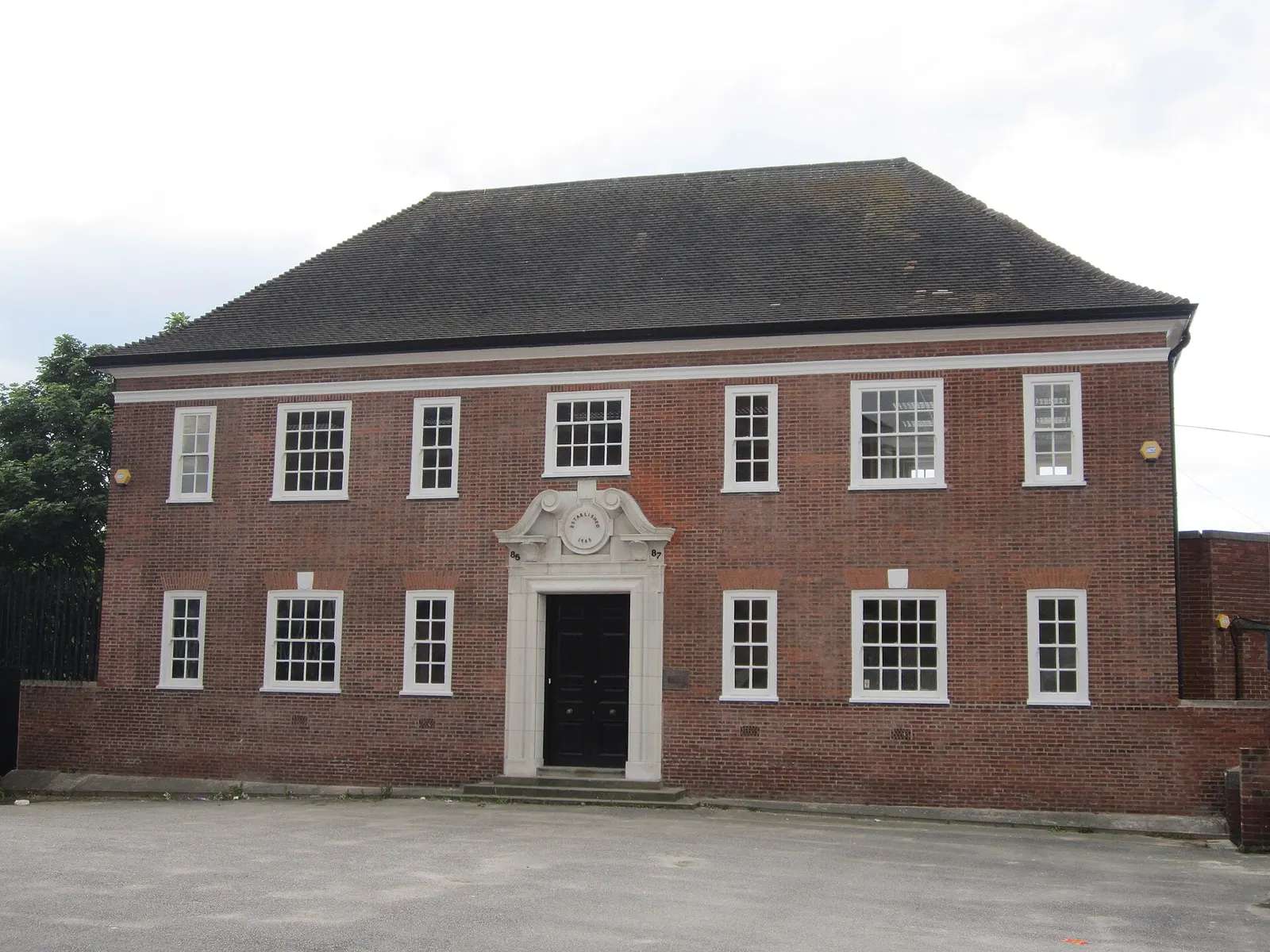
A building on Vauxhall Road, photographed in June 2012. Archive image, not the road as it looks today. Photo: Rept0n1x (CC BY-SA 3.0) via Wikimedia Commons, resized.
What will happen to buses?
Bus passengers travelling along Vauxhall Road will need to pay particular attention as the scheme progresses.
Merseytravel's published timetables show services 54 and 56 using stops along Vauxhall Road, with the 54 continuing along Commercial Road.
Stops on or near Eldon Street, Eldonian Way, Boundary Street and Sandhills Lane are among those along the corridor.
The council has acknowledged that construction may require temporary traffic arrangements, while its Equality Impact Assessment refers to communication with bus operators and arrangements for access during the works.
However, no scheme-specific bus diversion has been published for the first phase beginning on 28 October.
Passengers should not assume that a roadworks announcement automatically means their service has been diverted, nor that normal routes and stops will remain unchanged throughout construction.
The council will also need to explain how buses will reach stops during the larger junction reconstruction phases.
What changes are planned for pedestrians and cyclists?
The finished road will look considerably different from the existing corridor.
At present, cycle facilities along the route are inconsistent. The council's assessment describes places where cyclists are required to rejoin busy traffic, together with worn surfaces, missing crossing facilities and other obstacles affecting pedestrians.
The approved scheme is designed to address those problems.
The changes include continuous, physically separated cycle tracks, upgraded pavements, improved pedestrian crossings, new traffic signals, carriageway resurfacing and drainage improvements.
The 2024 public consultation proposed one-way cycle tracks on both sides of Vauxhall Road and Commercial Road, separated from pedestrians and motor vehicles by kerbs for most of the route.
The council's detailed accessibility assessment provides more information about the intended crossings.
These include a new signal-controlled pedestrian crossing between Eldonian Way and Silvester Street, replacing existing uncontrolled crossings with pedestrian islands.
Another new signal-controlled crossing is planned between Athol Street and Canalside Park.
The assessment describes six new or upgraded signalised crossings overall, alongside improvements at four signalised junctions.
Crossings are intended to include equipment that can extend the crossing time when necessary, helping people who need longer to cross safely.
The plans also include additional seating along the route, better dropped kerbs and tactile paving.
For people walking between nearby homes, shops, bus stops and other facilities, these changes could remove some of the awkward and poorly connected crossings currently found along the road.
Whether the improvements deliver those benefits will depend on the final construction and how the new arrangements work once opened.
Free weekend guide every Thursday
Things to do, useful local news and our latest Liverpool guides. Free to your inbox.
What about disabled access during the work?
Disruption will not affect everybody equally.
A driver may be able to take another route. Someone using a wheelchair, mobility scooter or walking aid may have fewer practical alternatives when a pavement or crossing is closed.
The council's Equality Impact Assessment specifically acknowledges that construction could cause greater difficulties for disabled and older people.
Temporary footway closures, uneven surfaces, diversions and changed pavement layouts are among the problems identified.
The assessment says the contractor must provide sufficient notice of closures and delays, while safe access around working areas should be considered before construction begins.
It also records an accessibility disagreement over the proposed permanent design.
Liverpool's Corporate Access Forum raised concerns that raised crossings at side roads could be difficult for blind and partially sighted people, particularly where pedestrians and cyclists might come into conflict.
The forum requested a different arrangement keeping cyclists at carriageway level.
Following a review involving Active Travel England and the Liverpool City Region Combined Authority, the project team retained the raised crossing design.
The council says the design will instead include a minimum 6mm level difference at relevant crossings, contrasting materials and tactile paving to help people distinguish the footway, cycle track and road.
The scheme also includes floating bus stop islands, where passengers may need to cross a cycle track to reach the bus stop. The council says marked crossings and tactile surfaces have been incorporated into these arrangements.
The remaining question is how effectively those designs will work for people using the corridor, particularly during the construction period.
What hours will contractors work?
The council's published assessment specifies these normal limits for contractor working hours:
Monday to Friday: 8am to 6pm.
Saturday: 8am to 1pm.
Sunday and bank holidays: No contractor working hours.
These are the planned construction working hours. They do not establish when the first survey-stage lane closures will operate, or whether temporary traffic restrictions could remain in place outside working hours.
How will residents and businesses be informed?
The council says public engagement events will be held throughout the project.
Its accessibility assessment sets out plans for three engagement events and for residents and businesses close to the worksite to receive information about them.
The document requires letters to be delivered to residents and businesses within 150 metres of the site boundary at least 10 working days before a scheduled engagement event.
These arrangements concern consultation and communication events. They should not be mistaken for a confirmed promise of 10 working days' notice before every individual lane closure.
With work expected to continue into 2028, affected businesses will need much more detailed information about how deliveries, customer access and pedestrian routes will operate during each phase.
A clear programme showing which junctions will be reconstructed first, how long restrictions are expected to last and what temporary access will be maintained would help residents and businesses prepare.
For now, the council says further information about upcoming works and traffic management will be shared as the project progresses.
Where is the £12m coming from?
The funding arrangements raise another question that is easy to miss in the headline announcement.
Although the project is described as a £12m active travel investment, the July Cabinet papers show that most of the construction contract is being funded through council borrowing.
The council approved a construction contract valued at £12,078,785, excluding VAT.
According to the report, the funding is divided as follows:
Vauxhall Road construction contract funding, from the July 2026 Cabinet report
Funding source
Share
Approximate amount
Liverpool City Council borrowing
64%
£7.73m
Department for Transport Active Travel Fund grant
28%
£3.38m
City Region Sustainable Transport Settlement grant
8%
£0.97m
Total
100%
£12.08m
The amounts are calculated from the funding percentages in the Cabinet report and rounded.
This means approximately £7.7m of the construction contract is allocated to council borrowing, rather than being covered by external grants.
Borrowing can be a way for councils to fund long-term infrastructure, but it also creates repayment obligations and potentially interest costs.
The published report does not provide a separate breakdown of the total interest payable on the borrowing or a full repayment schedule.
Those figures are relevant when assessing the longer-term cost of the scheme to the council.
The £12.079m figure is also the construction contract value excluding VAT, not necessarily the final whole-project expenditure, including every previous design cost or any subsequent contract changes.
The Cabinet report says the budget is sufficient to cover the approved contract and that contingency has been included to address potential construction risks.
It acknowledges that complex highway works can encounter unforeseen problems and higher costs.
The contract is to be managed through regular financial reviews and established procedures for recording and controlling changes.
External funding also carries conditions. The council's report says grant money can potentially be recovered by funders if specified requirements are not met.
These arrangements make the project timetable, construction progress and financial reporting particularly relevant as work continues. We follow Cabinet decisions like this one on L1Local Council Watch.
Did residents support the plans?
Liverpool City Council says the scheme received 81% support during its public consultation.
That figure is accurate, but it needs context.
The consultation ran from 2 September to 2 October 2024. The council delivered approximately 2,800 letters to nearby homes and businesses and held public engagement events.
According to its published consultation results, a total of 93 responses were received through the online survey, events and direct emails.
Of those responding, 81% agreed or strongly agreed that the project should proceed.
That represents support among the people who participated. It is not evidence that 81% of all residents along Vauxhall Road, or 81% of Liverpool residents generally, favour the scheme.
The consultation also asked people to choose between two possible designs for the Commercial Road, Sandhills Lane and Lambeth Road junction.
Some 53% preferred the option involving realignment of Sandhills Lane and Lambeth Road.
That option also involved adjustments to adjacent public open space.
The council's July 2026 report says minor design amendments were subsequently made at the Sandhills Lane junction following consultation.
The final approved junction layout should establish precisely how the surrounding public space will be affected.
Why is the council rebuilding this route?
The Vauxhall Road project has been in development for several years.
Liverpool City Region Combined Authority published its Local Cycling and Walking Infrastructure Plan in 2019, identifying priority corridors for better walking and cycling connections.
Vauxhall Road and Commercial Road were among those routes.
Liverpool City Council says it has been developing improvements to this corridor since 2021, with detailed design work beginning in June 2024.
The council's stated aim is to reduce collisions, improve pedestrian accessibility and create a continuous cycling route separated from motor traffic.
Resurfacing and drainage improvements are also intended to address the condition of the highway itself.
The July Cabinet report argues that leaving the road unchanged would allow deterioration to continue and could mean more expensive interventions in future.
It also identifies a risk of losing external funding if the approved scheme is not delivered.
The improvements therefore combine road maintenance, junction safety and new walking and cycling infrastructure within one construction programme.
When will the Vauxhall Road works finish?
The latest council announcement says work is expected to continue into 2028.
The July 2026 Cabinet report gave a more specific forecast, anticipating completion in early 2028, subject to the construction contract proceeding.
These are forecasts rather than guaranteed dates.
With a project extending for more than two kilometres and involving multiple junctions, residents will need updated information as the construction stages are confirmed.
As of 24 October 2026, the key missing practical details are the exact initial lane closure locations, the programme of later full closures, signed diversion routes and any temporary changes to bus stops.
The council says further updates will be issued during construction.
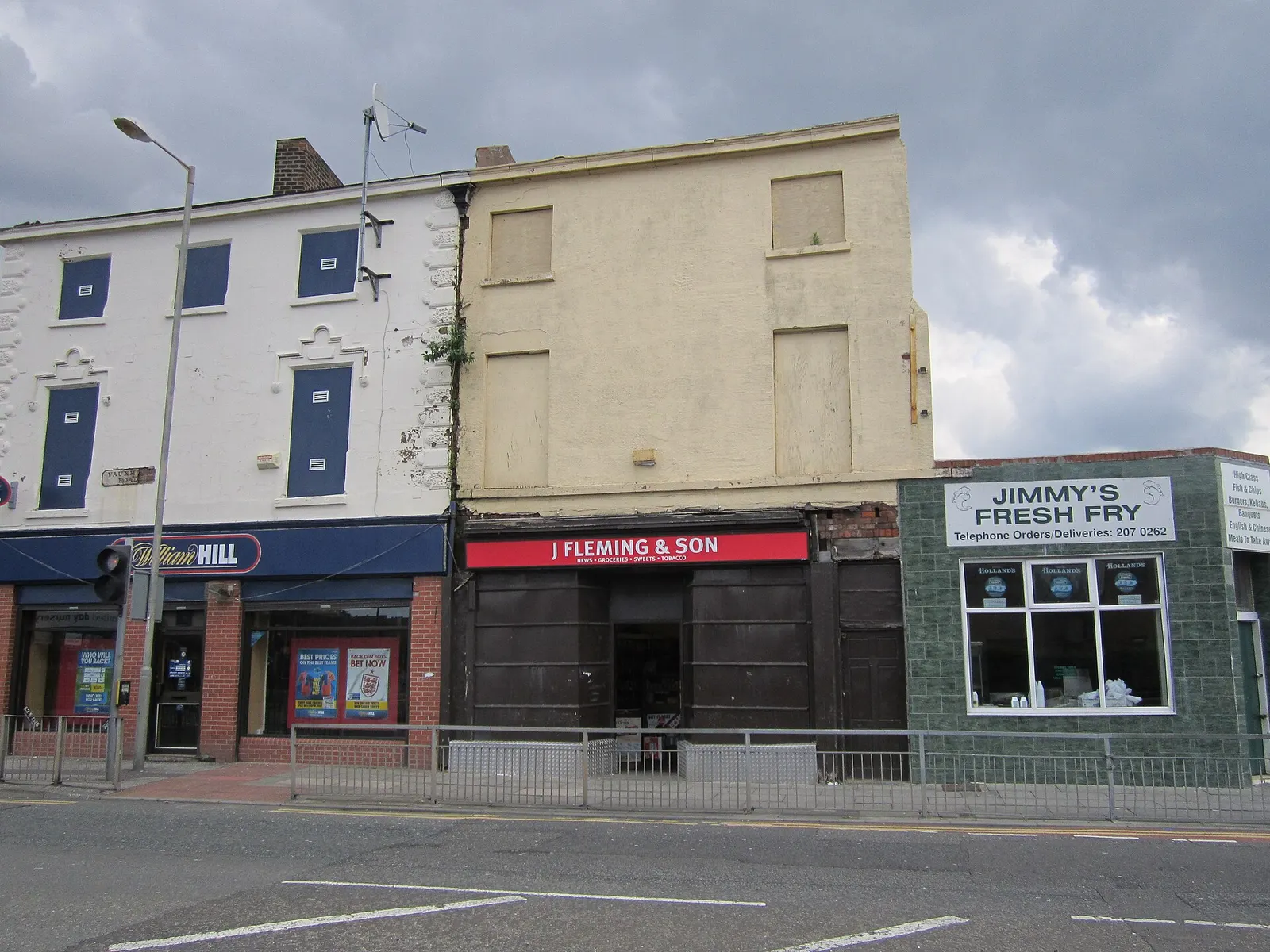
Information checked: 24 October 2026. Roadwork restrictions, bus arrangements and construction dates may change. Lead image: shops on Vauxhall Road in June 2012, an archive photo that does not show the road as it is now.
Common questions
When do the Vauxhall Road roadworks start?
Work begins on Wednesday 28 October 2026. Liverpool City Council says the first activities are surveys carried out under marked lane closures, with road closures and signed diversions needed in later phases.
Which part of Vauxhall Road is affected?
The scheme covers about 2.2km of Vauxhall Road and Commercial Road, from Tithebarn Street to the Sandhills Lane and Lambeth Road junction. Major upgrades are planned at Leeds Street, Burlington Street, Boundary Street and Sandhills Lane/Lambeth Road.
Are buses on Vauxhall Road diverted?
Services 54 and 56 use stops along the route. No scheme-specific bus diversion had been published for the first phase as of 24 October 2026, so check Merseytravel timetables and service updates before travelling.
How long will the Vauxhall Road works last?
The council expects work to continue into 2028. The July 2026 Cabinet report forecast completion in early 2028.
How is the £12m Vauxhall Road scheme funded?
The July 2026 Cabinet report shows the £12,078,785 construction contract is funded 64% by council borrowing, 28% by a Department for Transport Active Travel Fund grant and 8% by the City Region Sustainable Transport Settlement.
Comments
Join the conversation with your L1Local Community account. Keep it civil and on topic.
Liverpool this week
New places, local news, things to do and our latest guides. Weekly.

Comments
Join the conversation with your L1Local Community account. Keep it civil and on topic.