You will know it as the old Co-op. The big curved building on the corner of Childwall Road and Church Road North in Wavertree has stood empty since that shop shut in 2020.
Campaigners got it Grade II listed in 2021, which stopped Lidl demolishing it. Six years on, nobody has found anything to put in it.
In July 2026 a Wavertree history teacher, Lydia Jane Alice, started a campaign called Save the Abbey Liverpool. The 2021 campaign set out to stop a demolition. This one has to work out what goes in the building instead.
Checked against Historic England, SAVE Britain's Heritage and Liverpool planning records on 26 August 2026.
What is confirmed
The Abbey opened on 4 March 1939 with 1,870 seats, designed by Sir Alfred Ernest Shennan.
It was listed Grade II on 19 April 2021 after a campaign by SAVE Britain's Heritage and the Cinema Theatre Association.
It was Liverpool's only Cinerama cinema, converted in 1964 at a cost of £105,000.
Lidl bought the site in 2020, applied to demolish, then abandoned a revised scheme in 2023.
It has been on the market since 2024 and has not sold.
The new campaign is at an early stage. There is no funding, no buyer and no agreed scheme.
The first campaign stopped a demolition
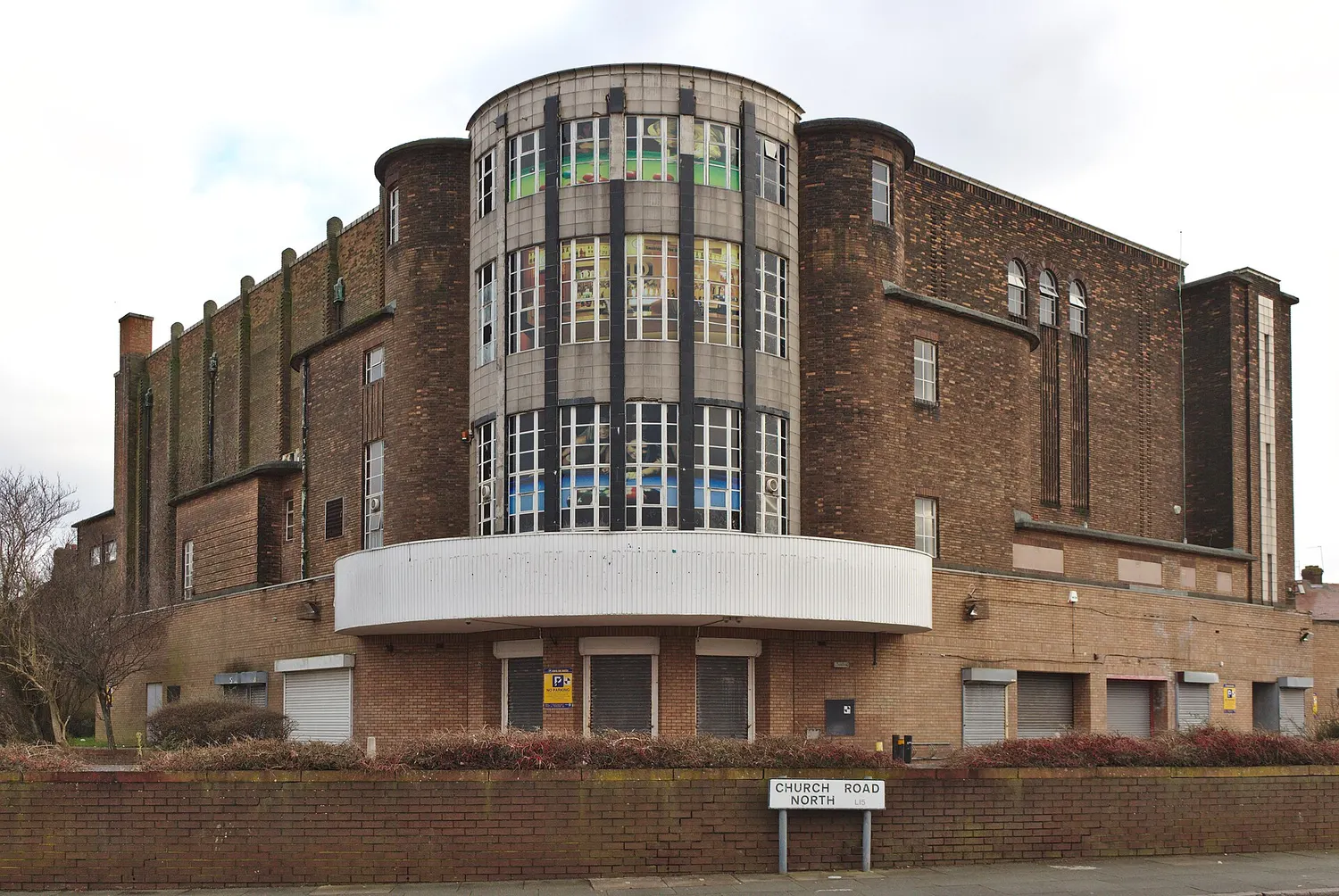
The curved corner entrance, designed to face the Picton Clock Tower. Photo: Rept0n1x (CC BY-SA 3.0) via Wikimedia Commons.
In 2021 Lidl applied to knock the Abbey down and put up a single-storey store. SAVE Britain's Heritage, backed by the Cinema Theatre Association, applied to have it listed instead. The then culture secretary Oliver Dowden granted Grade II listing on 19 April 2021, and the demolition stopped.
Listing did its job. It controls what an owner can change, and it does nothing to find one.
Lydia Jane Alice launched Save the Abbey Liverpool in July 2026 out of concern that years of nothing happening narrows the options. SAVE made the Abbey its Building of the Month for August 2026 and described the campaign as an attempt to get people together to reimagine the building's future.
The campaign is at an early stage. It is gathering people and ideas, and it has no funding, no agreed community takeover and no buyer.
It does not have to be a cinema again
"Save" does not mean rebuilding the 1939 cinema. Nobody is proposing that.
Ideas so far include a mix of community, entertainment and commercial use, with room for young people, independent businesses, food and events. That stands a better chance than running a 1,870-seat picture house in 2026.
Any proposal still has to name what fills a building this size, and who pays to repair it, adapt it, run it and maintain it. Five years have produced no answer.
What the building is
Photo: Rodhullandemu (CC BY-SA 3.0) via Wikimedia Commons.
Shennan designed it in 1937 for the Regal Cinema Co (Liverpool) Ltd. Plans went in that September, building started in spring 1938, and it opened on 4 March 1939 with Joy of Living, starring Irene Dunn and Douglas Fairbanks Jr. Six months later the country was at war.
There were 1,126 seats downstairs and 744 in the balcony. The style is called Moderne: clean curves and flat surfaces, no fuss. Our guide to Liverpool architecture has more of it. The curved corner entrance was put there on purpose, facing the Picton Clock Tower at one of Wavertree's busiest junctions.
Shennan ran Liverpool City Council, and was knighted for what he did during the war. Two of his other buildings are listed too: the Greenbank Drive Synagogue of 1937 and the Forum on Lime Street.
What survives inside
The shopfront gives nothing away. The listing records a ground-floor foyer that had a wooden mosaic floor with music motifs, mirror and walnut cladding, and a 10-foot-wide green terrazzo stair up to the first-floor lounge.
The cladding has gone. A patch of that mosaic floor is still there, in the bit of the foyer that became the bingo and snooker hall. Both staircases are still there too: the main one from the foyer, and the one from the lounge out to the balcony.
Somebody stripped the seats out years ago. The wooden tiers they stood on are still there under later flooring, across most of the balcony.
Liverpool's only Cinerama
The local Bedford Cinema Group bought the Abbey in 1943. In 1964 they rebuilt it to show Cinerama, an early wide-screen system that ran three projectors at once onto one huge curved screen. It was the only Cinerama cinema in Liverpool.
It cost £105,000 and it was a big job. A giant curved screen went in front of the stage. Builders tore out the back of the stalls to make room for a new projection box. Seating dropped to 1,260, and the upstairs lounge became a bar.
Cinerama at the Abbey ended in 1971, when it moved to ordinary wide-screen film. Every Cinerama cinema in the world did the same, apart from one in Chicago.
Lennon and Harrison went here
Historic England says John Lennon and George Harrison are understood to have gone to the Abbey as teenagers living nearby. In the photographed handwritten draft of In My Life, Lennon writes of the "happy hours" spent "in the circle of the Abbey". The line did not survive into the released song.
Harrison was born on Arnold Grove, more or less opposite. On the first page of the Beatles' official Anthology, one of his earliest memories is the "big art deco cinema called the Abbey".
The Beatles connection did not get the building listed. Historic England cites the architecture, the surviving interiors, Shennan's design and where it sits in old Wavertree.
From cinema to Co-op
The Abbey stopped showing films in August 1979. Its owners then cut the building up.
They put a floor across the auditorium so the bottom half could become a supermarket. The balcony became a twin cinema, and three squash courts went in behind the old stage. In the early 1980s they turned the upper auditorium over to bingo, opened in October 1984 by Ken Dodd. Part of the balcony later became a snooker club. Bingo and snooker both closed in the early 2000s.
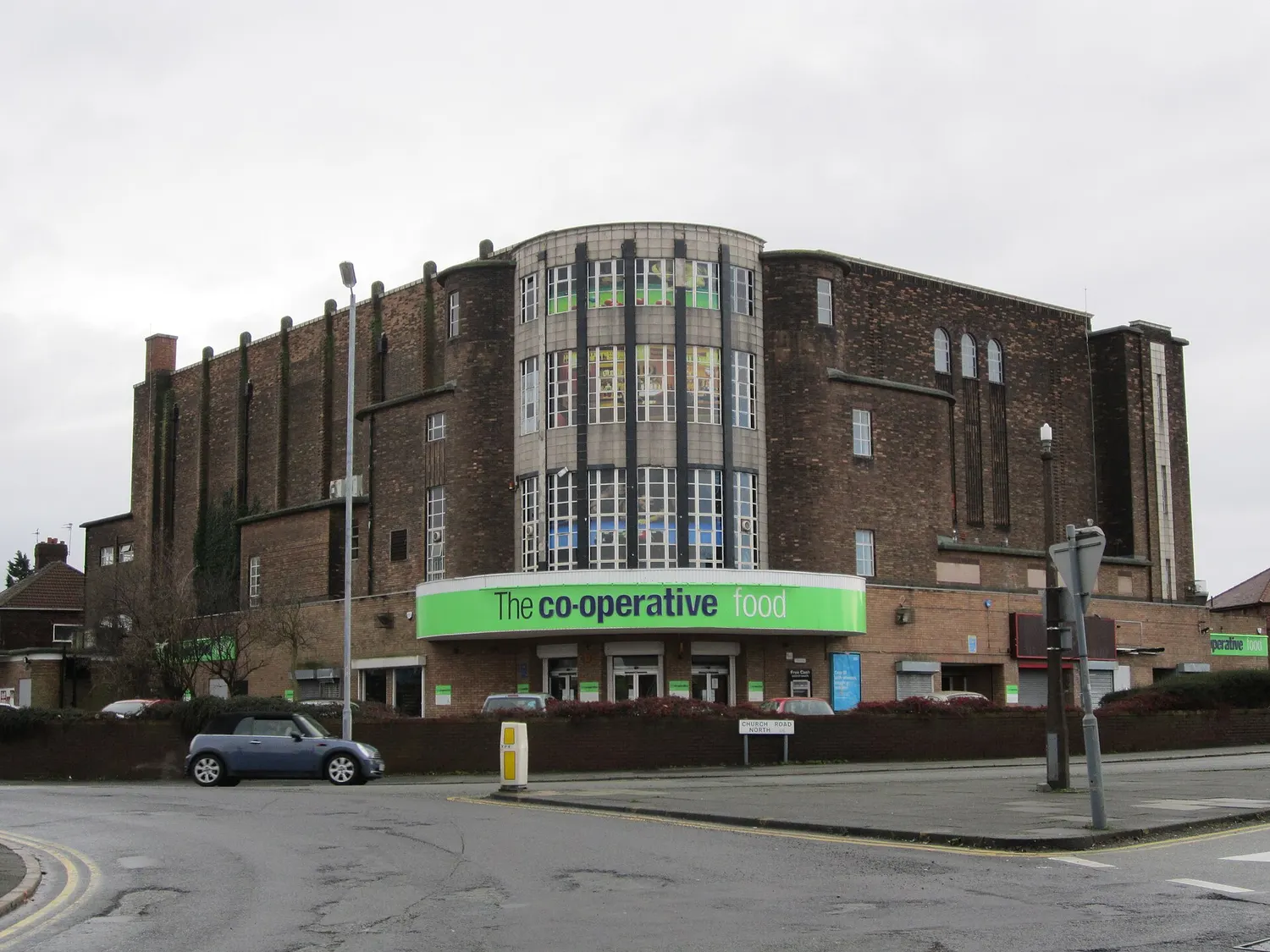
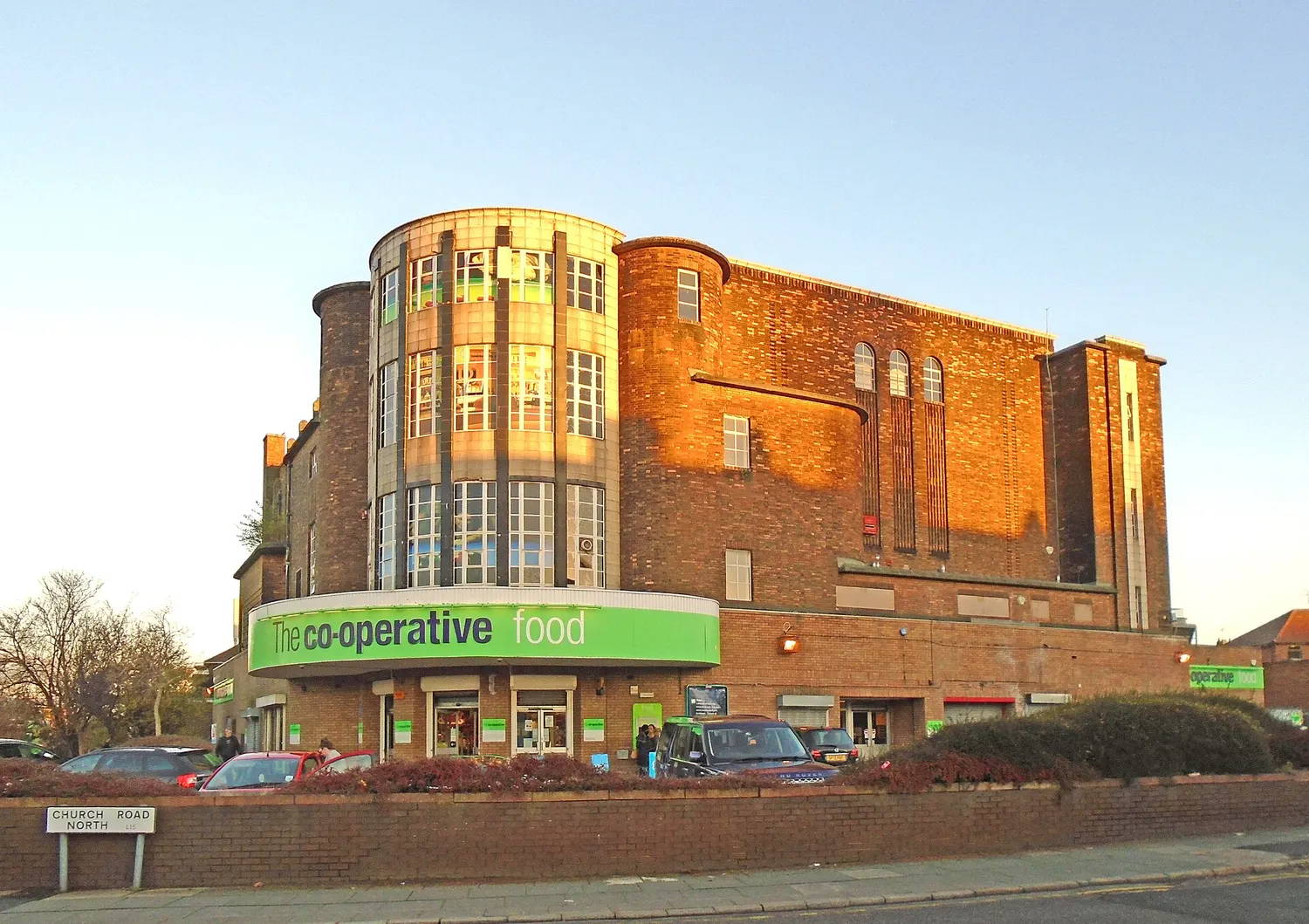
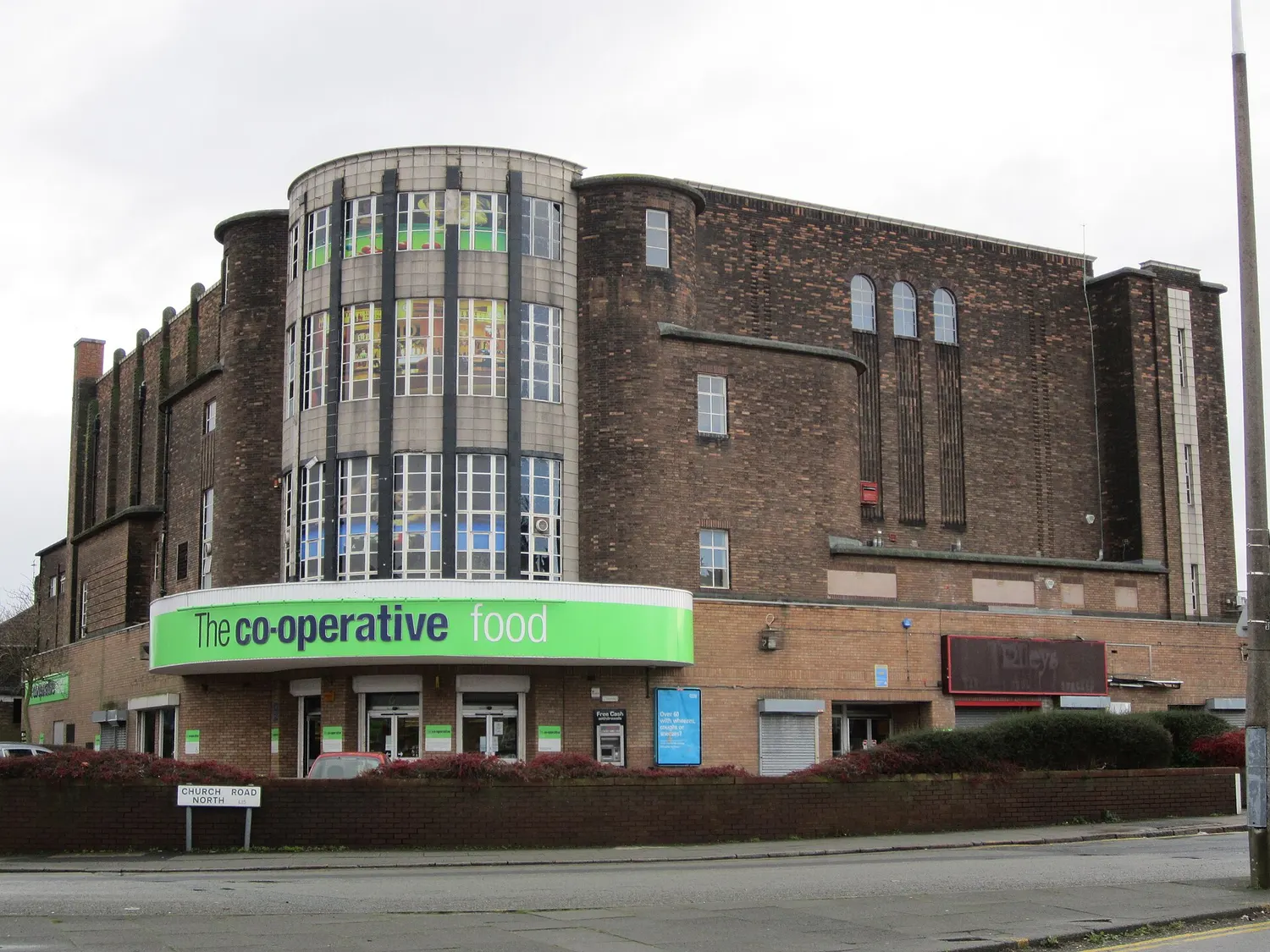
Downstairs went through Lennon's, the Liverpool supermarket chain and no relation to John, before ending up a Co-op. That closed in 2020, and Lidl bought the site.
Lidl, and why nothing happened
Photo: Rept0n1x (CC BY-SA 3.0) via Wikimedia Commons.
Once listing blocked the demolition, Lidl came back with a different plan. Keep the building. Put a store on the ground floor. Repair some of it, and seal the upper floors up to stop them getting worse, rather than use them.
Lidl withdrew that application and abandoned the project in 2023, citing the delays since it bought the property. Residents were angry.
The site went on the market in 2024 through agents Mason Partners. As of SAVE's update on 6 August 2026, it still had not sold.
No restoration is waiting. The building is listed, empty, and has nobody lined up to buy it.
What saving it would take
Public support matters, but on a building this size it is a long way from enough. Someone has to sort out all of this:
an owner, or someone taking a long lease
a full survey, because nobody outside knows what six empty years have done to it
a plan for making money in a building this big
architects and conservation experts
planning permission, plus listed building consent, a separate approval you need before changing anything that gives a listed building its character
money up front to repair it and fit it out
enough coming in afterwards to keep it maintained
Splitting it between several uses avoids needing one tenant big enough to fill the place. None of this is agreed yet.
Why an empty building matters to the rest of Wavertree
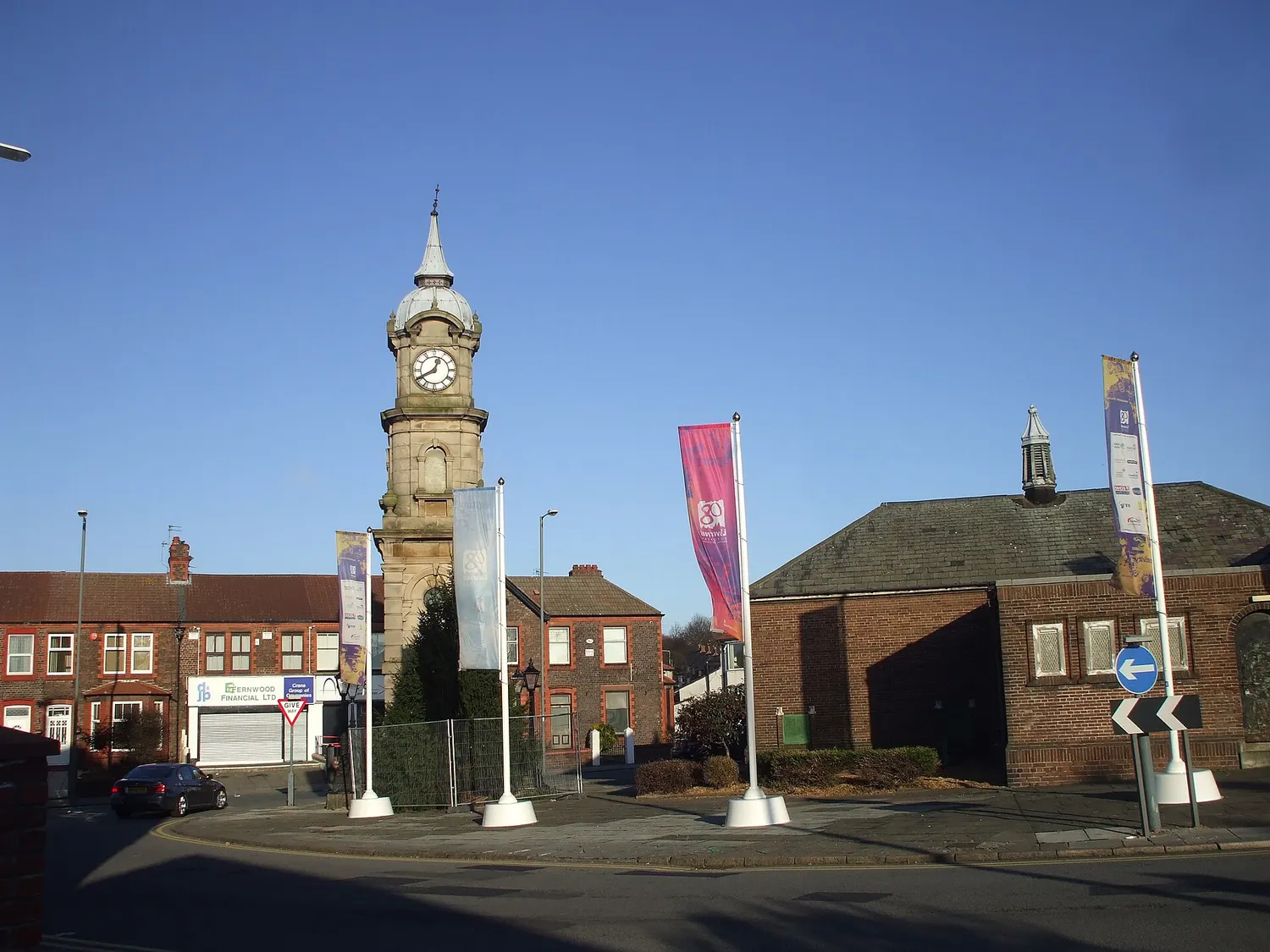
Picton Clock Tower, 1884, which the Abbey's entrance was designed to face. Photo: John Lord (CC BY-SA 2.0) via Wikimedia Commons.
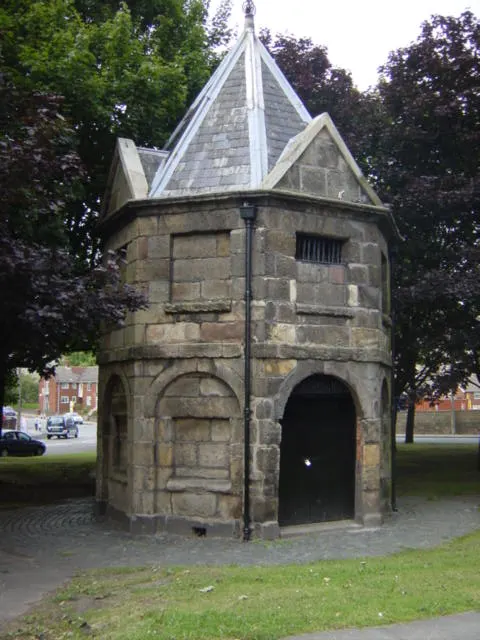
The Abbey is in the Wavertree Conservation Area. Historic England ties it to three listed neighbours: the Lock-up of 1796, the Picton Clock Tower of 1884 and the Lamb Hotel. Between them they show the old village turning into a suburb, the same thing the wider history of Liverpool did all over the city.
The Wavertree Lock-up, 1796. Photo: Sue Adair (CC BY-SA 2.0) via Wikimedia Commons.
The Abbey has one of the biggest frontages on the junction. Its condition is the first thing you see coming into the village.
Campaigners stopped the demolition in 2021. Finding somebody to fill the building is a separate job, and nobody has managed it yet.
HMS Mersey opens to visitors at Liverpool Cruise Terminal on 1 August 2026. Here are the free ticket details, access limits, travel advice and ship history.

Comments
Join the conversation with your L1Local Community account. Keep it civil and on topic.